Choosing an Electric Linear Actuator is rarely as simple as comparing stroke length and price. A unit lifting a 40-kilogram platform may work smoothly in a showroom, then stall beside dust, heat, or repeated side loading. The right purchase begins with real operating conditions: load direction, duty cycle, speed, travel, mounting space, noise, and required positioning accuracy.
Industry data supports this careful approach. The International Federation of Robotics reported 541,302 industrial robots installed worldwide in 2023, showing continued demand for reliable automated movement. Interact Analysis’s 2024 motion-control research also identifies factory automation and electrification as major growth drivers. Meanwhile, the U.S. Department of Energy notes that motor-driven systems consume a substantial share of industrial electricity. Efficiency is not a minor detail. It affects operating cost every day.
As motion-control engineer Peter Nachtwey has said, “The best actuator is the one that meets the application, not the one with the biggest specification.” That principle shapes these 10 Electric Linear Actuator buying tips. They examine force ratings, backlash, feedback, environmental protection, control compatibility, maintenance, safety margins, and total ownership cost. Some choices remain imperfect. A higher load rating can increase size and energy use. A cheaper actuator may demand earlier replacement. Testing a sample under real conditions is still wiser than trusting a catalog alone. Good selection feels less like shopping and more like preventing tomorrow’s failure.
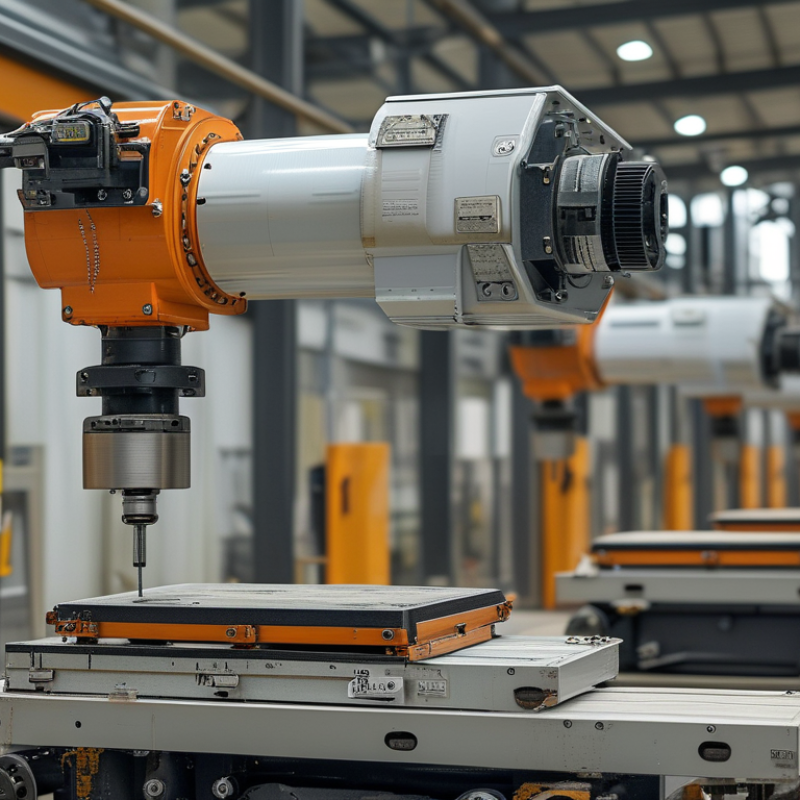
When buying an electric linear actuator, identify the movement before comparing prices. Common types include rod, track, and lifting-column actuators. Rod actuators push or pull a separate load, while track actuators move their carriage along a guided rail. Lifting columns provide stable vertical adjustment for desks, medical equipment, and workstations. The wrong type may create side loading, noise, or premature wear.
Match the actuator to the application’s real conditions. Check stroke length, retracted length, speed, force, duty cycle, and mounting space. A greenhouse vent may need corrosion resistance and a suitable ingress rating. A factory fixture may require accurate positioning, frequent cycling, and feedback sensors. For furniture, low noise and smooth starting often matter more than maximum speed. It sounds obvious, but many failures begin with an underestimated duty cycle.
I have seen a compact actuator perform well during testing, then overheat after repeated cycles. Laboratory results were not enough. Measure the actual load, including friction and uneven weight distribution. Add a reasonable safety margin, but do not oversize blindly. Excess force can damage frames and pinch points. Confirm voltage, control method, limit-switch behavior, and emergency stopping requirements. A clear datasheet helps, yet installation alignment still deserves careful inspection.
| No. | Buying Tip | Suitable Actuator Type | Typical Applications | Important Selection Criteria | Main Advantages and Limitations |
|---|---|---|---|---|---|
| 1 | Define the required load | Rod-style actuator or compact linear actuator | Adjustable furniture, medical beds, inspection equipment, light industrial fixtures | Calculate both pushing and pulling loads. Include the weight of the moving parts, friction, acceleration, and a safety margin. Axial load ratings should not be treated as side-load ratings. | Rod-style units provide direct thrust, but excessive side loading can shorten screw, nut, and guide life. |
| 2 | Choose the correct stroke length | Rod-style, track-style, or belt-driven actuator | Valve positioning, lifting platforms, hatch systems, ergonomic workstations | Measure the required travel between the fully retracted and fully extended positions. Select a standard stroke that meets the movement without causing mechanical overtravel. | A longer stroke increases reach but may reduce rigidity, raise cost, and require more installation space. |
| 3 | Match speed with force | Lead-screw, ball-screw, or belt-driven actuator | Conveyor adjustment, automated doors, packaging equipment, positioning systems | Check the load-speed curve rather than relying on no-load speed. Higher speed commonly reduces available thrust and may increase heat generation. | Lead screws offer controlled movement and can resist back-driving; belt drives are faster but may have lower holding capability. |
| 4 | Select the appropriate drive mechanism | Lead-screw, ball-screw, or belt-driven design | Lifting, precise positioning, repetitive transfer, adjustable machine components | Use a lead screw for economical moderate-speed motion, a ball screw for higher efficiency and precision, and a belt drive for long, fast horizontal travel. | Ball screws are efficient and accurate but usually cost more. Lead screws are simpler but generate more friction and heat. |
| 5 | Verify positional accuracy and repeatability | Servo-compatible or feedback-equipped actuator | Robotic positioning, laboratory instruments, cutting systems, dosing equipment | Distinguish accuracy from repeatability. Specify encoder type, feedback resolution, screw lead, backlash, and controller compatibility when precise positioning is required. | Feedback improves motion control, but it adds wiring, commissioning requirements, and system cost. |
| 6 | Check duty cycle and thermal limits | Industrial-duty actuator or intermittent-duty actuator | Production machinery, hospital equipment, agricultural systems, automated adjustment mechanisms | Calculate operating time versus rest time, cycles per hour, load, speed, ambient temperature, and mounting orientation. Confirm the manufacturer’s continuous or intermittent duty rating. | Exceeding the duty cycle can overheat the motor and drive components, reducing service life or triggering thermal protection. |
| 7 | Evaluate environmental protection | Sealed actuator with suitable ingress protection | Outdoor equipment, washdown machinery, food-processing support systems, dusty industrial environments | Consider water, dust, chemicals, vibration, temperature, and corrosion. Select an ingress-protection rating appropriate to the actual installation conditions, not just the indoor or outdoor location. | Sealed housings improve protection, but they may require compatible cable glands, connectors, and maintenance procedures. |
| 8 | Confirm power and control compatibility | DC actuator, AC actuator, or servo-driven actuator | Battery-powered systems, factory automation, adjustable seating, mobile machinery | Match voltage, current, peak starting current, control method, limit switches, feedback signals, and available controller outputs. Allow for voltage drop in long cables. | DC models suit mobile and battery applications; AC and servo systems may provide higher continuous performance and more advanced control. |
| 9 | Assess safety and holding requirements | Self-locking actuator, brake-equipped actuator, or mechanically supported actuator | Lifting columns, access covers, medical devices, adjustable platforms, machine guards | Determine whether the load may back-drive when power is removed. Check static load, dynamic load, braking performance, emergency-stop behavior, limit switches, and the need for independent mechanical supports. | Self-locking screws can hold loads without power, but no actuator should be the sole safety support for a suspended or hazardous load unless specifically designed and approved for that use. |
| 10 | Review installation, maintenance, and total cost | Compact actuator, guided actuator, or modular linear stage | Retrofitted machinery, automated fixtures, medical equipment, laboratory and commercial systems | Check mounting geometry, retracted length, available clearance, alignment, guide requirements, lubrication, replacement parts, noise level, commissioning time, and expected service life. | A lower purchase price may result in higher installation and maintenance costs if external guides, special controls, or frequent servicing are required. |
Rod actuators push or pull separate loads. Track actuators move a carriage along a rail. Lifting columns provide stable vertical movement.
Match the design to the movement. A desk needs vertical support. A sliding fixture needs guided travel. The wrong type may create side loading.
Measure the real load, friction, acceleration, and uneven weight. A vertical 500-newton load may need more starting force. Add a sensible safety margin.
No. Check force at the required speed. Higher speed often reduces available force. A 300-millimeter stroke at 5 millimeters per second takes one minute.
Duty cycle describes operating time compared with total time. Ten seconds of operation every minute equals about 16.7 percent. Heat may still build inside a small enclosure.
Check temperature, moisture, dust, and corrosion exposure. A greenhouse vent may need corrosion resistance and suitable ingress protection. Indoor furniture has different needs.
Verify voltage, control signals, limit-switch behavior, feedback sensors, and emergency stopping. Confirm whether the actuator must hold position without power. Small details matter.
Poor alignment can increase noise, friction, and wear. Inspect mounting points carefully. Do not oversize blindly. Excess force may damage frames or create pinch points.
Test it under the actual load and movement pattern. Record cycles, pauses, temperature, and noise. Laboratory performance may not reflect installation conditions.
Review every assumption. A compact actuator may work briefly, then overheat after repeated cycles. The test may reveal an underestimated duty cycle.
Choosing the right Electric Linear Actuator starts with understanding the available types and matching them to the intended application, such as lifting, pushing, positioning, or automated adjustment. Before purchasing, define the required load capacity, stroke length, operating speed, and duty cycle to ensure reliable performance without premature wear. It is equally important to confirm that the actuator’s voltage and power requirements match your system and that its control options, feedback features, and mounting dimensions are compatible with the equipment.
A thorough evaluation should also consider protection ratings, construction materials, operating noise, and built-in safety features, especially in demanding or exposed environments. Finally, compare product quality, relevant certifications, warranty coverage, total cost, and the supplier’s technical support. A dependable supplier should provide clear specifications, installation guidance, replacement assistance, and responsive service. By reviewing these factors together, buyers can select an actuator that delivers safe, efficient, and long-term performance.

 Luv Motors