How to Choose the Right DC Motor for Your Project?

Time:2026-07-11 Author:Mason
0%

Selecting the right DC motor for your project can significantly impact its performance. As noted by Dr. Emily Carter, a leading expert in electric motor technology, "Choosing the correct DC motor can make or break your project." Her insight emphasizes the importance of understanding the specific requirements of your application.

DC motors are used in countless devices, from toys to industrial machinery. Each type has unique characteristics. Factors such as torque, speed range, and power efficiency must be carefully considered. For instance, a high-speed motor might be perfect for a small drone, but it may not work well for a robotic arm requiring precise movements.

Many project managers make the mistake of overlooking these essential details. They might choose a motor based solely on its price rather than performance capabilities. This can lead to inefficiencies and costly modifications later on. Engaging with experts and conducting thorough research is crucial for making informed decisions. The right DC motor can enhance your project's success, so thoughtful selection is key.
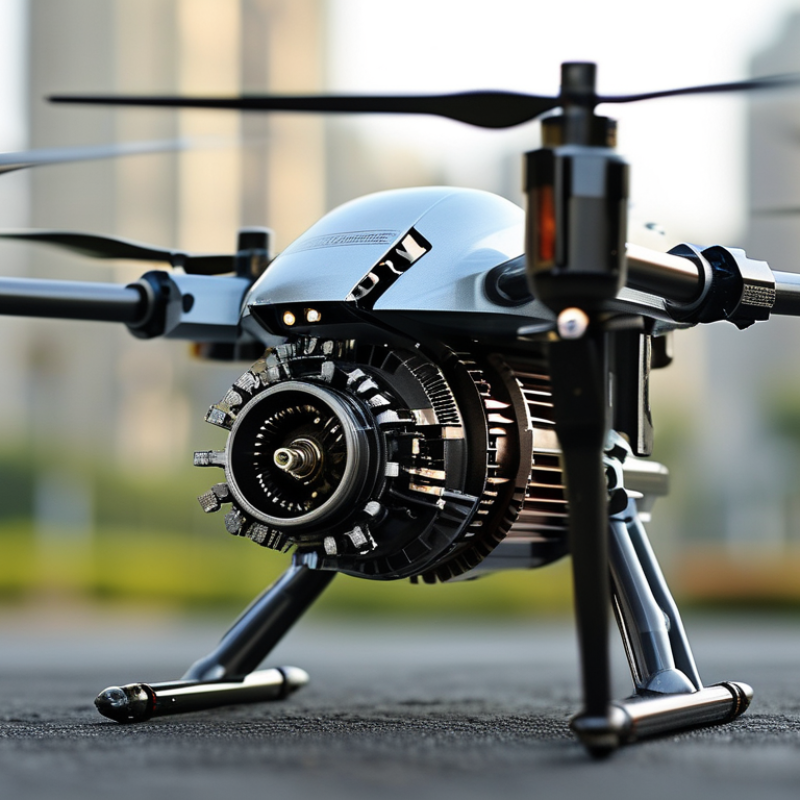
How to Choose the Right DC Motor for Your Project?

Understanding the Basics of DC Motors and Their Applications

When choosing a DC motor, understanding its basics is vital. DC motors are widely used in various applications. They operate by converting electrical energy into mechanical energy. Their simple design allows for easy control over speed and direction. For instance, they are commonly used in robotics, electric vehicles, and household appliances.

Different types of DC motors exist, including brushed and brushless variants. Brushed motors are popular for their simplicity and low cost. However, they require regular maintenance, which can complicate long-term projects. On the other hand, brushless motors offer higher efficiency but come at a higher price. This can be a consideration if you're on a tight budget.

Selecting the right motor involves knowing your project requirements. Think about the torque, speed, and power needs. Not every motor is suitable for every application. Sometimes, a motor could be too powerful or not powerful enough. Researching specifications and testing options can lead to better choices. Take time to reflect on your needs before making a decision.

Identifying Your Project Requirements for a DC Motor

When selecting a DC motor for your project, understanding your specific requirements is crucial. Begin by assessing the power and voltage needed for your application. Motors vary significantly in these areas, affecting performance. A detailed assessment can prevent future issues, such as underperformance or excess energy consumption. Consider the load the motor will handle. This can impact the efficiency and longevity of your project.

Tips: Define the torque requirements early. Knowing the necessary torque can save time later. Additionally, think about the motor's speed range. Is it critical for your application? If you need precise control, you may want a motor with adjustable speed.

Another factor to evaluate is environmental conditions. Will the motor operate in extreme temperatures or humid areas? Choose a motor suited for such conditions. Not every motor can handle harsh environments. Test models whenever possible. Observing real-life performance can reveal strengths and weaknesses you might miss in specs. This approach promotes a better fit for your project's needs.

Key Specifications to Consider When Selecting a DC Motor

When selecting a DC motor for your project, understanding key specifications is crucial. These specifications include voltage, current, power rating, speed, torque, and efficiency. According to industry reports, a motor's voltage rating significantly affects its performance; for instance, lower voltage motors tend to operate at reduced speeds but are more efficient in low-power applications.

Torque is another vital consideration. The torque rating indicates how much force the motor can exert. Data shows that poor torque selection can lead to motor failure or inefficiency. For example, if a motor is under-specified for the required load, it may stall. Adequate torque must align with the application needs to ensure smooth operation.

Tip: Always verify the motor's compatibility with your project's power supply. An unsuitable power source can lead to performance issues. Efficiency ratings also play a significant role. A higher efficiency motor reduces energy consumption, which is essential for battery-operated devices. Consider factoring these elements into the total cost of ownership. This can reveal potential long-term savings.

Tip: Don't overlook the importance of speed control. Some applications demand precise speed regulation, making it important to choose a motor with a compatible control system. Balancing these specifications thoughtfully not only enhances project success but also optimizes resource utilization.

DC Motor Specifications Comparison

Assessing Efficiency and Performance in DC Motors

When selecting a DC motor, evaluating efficiency and performance is crucial. Efficiency influences energy consumption and overall project costs. High-efficiency DC motors can exceed 90% efficiency, meaning less energy waste. This efficiency is often measured as a ratio of mechanical power output to electrical power input.

Performance encompasses speed, torque, and power. The torque generated by a motor can directly affect the performance of your application. Some applications may require high torque at low speeds, while others may prioritize high speeds. Understanding the specific needs of your project is vital. Reports indicate that in robotics, for example, 70% of designs benefit from motors with customizable torque settings, highlighting the importance of adaptability.

Selecting the right motor isn't always straightforward. There can be trade-offs between efficiency and performance, depending on design conditions. Heat generation is also a concern; motors that run too hot may lead to failures. Recognizing these complexities is part of the decision-making. Always consider both the immediate demands of your project and future scalability.

Common Mistakes to Avoid When Choosing a DC Motor

When selecting a DC motor for your project, it's easy to overlook important factors. Many assume that more power equals better performance. However, this isn’t always true. Choosing a motor with too much torque can lead to energy inefficiency. It can also cause overheating, which may damage your project over time. Assess the actual requirements of your application. This clarity is key to avoiding pitfalls.

Another common mistake is neglecting the voltage rating. Using a motor rated for a higher voltage than your system can cause significant damage. Conversely, if the motor voltage is too low, it won’t perform effectively. Test the voltage under various conditions before finalizing your choice. Understanding the environment in which the motor will operate is crucial. Factors like temperature and humidity can influence motor performance. Ignoring these can lead to unexpected failures.

It's also vital to consider the speed and load characteristics of the motor. Many projects fail because of incorrect assumptions about these parameters. You might think you need a high-speed motor, but a slower one could provide better results. Think carefully about the balance between speed and torque. Assess your project needs thoroughly to avoid regrettable decisions. Reflecting on these aspects can significantly improve your outcome.

FAQS

: How do I assess my power and voltage needs for a DC motor?

: Analyze the specific requirements of your application. This prevents underperformance or excessive energy use.

What should I consider regarding the load for the motor?

The load affects the motor's efficiency and lifespan. Define this clearly for best results.

Why is torque important when selecting a DC motor?

Knowing the needed torque can help avoid delays later in the project. It’s essential for performance.

How does environmental condition affect motor selection?

Motors must withstand operating conditions. Choose one designed for extreme temperatures or humidity when necessary.

Is it worthwhile to test motor models before purchase?

Yes, real-life tests show performance strengths and weaknesses that specs may not reveal.

What are the efficiency benchmarks for DC motors?

High-efficiency motors can reach over 90%. This is critical for reducing energy waste and costs.

How does torque relate to speed in various applications?

Some projects need high torque at low speeds, while others prioritize speed. Understand your needs.

What trade-offs might I face when selecting a motor?

Be aware of the balance between efficiency and performance. Heat generation can also be a challenge.

Should I plan for future scalability when choosing a motor?

Yes, consider growth needs. It helps to select a motor that can adapt as project requirements evolve.

Conclusion

Choosing the right DC motor for your project requires a solid understanding of the fundamentals and applications of these motors. Begin by identifying your specific project requirements, including the load, speed, and torque needed. Key specifications such as voltage, current, and size are crucial in ensuring the motor you select fits within the parameters of your design.

Moreover, assessing the efficiency and performance of various DC motors will help you make an informed decision. Common mistakes include overlooking critical specifications or failing to match the motor type to your application needs. By avoiding these pitfalls and focusing on your project's unique demands, you can effectively select the most suitable DC motor to achieve optimal results.

Mason

Mason

Mason is a seasoned marketing professional with a deep expertise in the company's offerings and a passion for driving brand awareness. With a strong background in digital marketing strategies, he has an innate ability to connect with diverse audiences and effectively communicate product benefits.......