Choosing the right motor for lock solutions is crucial for security and performance. A reliable motor for lock ensures seamless operation and enhances safety. With numerous options available, selecting the perfect one can be overwhelming.
Several factors come into play when deciding on a motor for lock systems. The strength, size, and power requirements must align with the specific application. Furthermore, understanding the technology behind these motors adds a layer of expertise to your choice. Consulting professionals can also illuminate potential pitfalls in motor selection.
Each motor has distinct features that cater to different needs. For instance, some motors provide advanced security features while others focus on energy efficiency. It's important to weigh these attributes against your specific requirements. Often, the most suitable option may not be the most expensive but rather the one that offers the best balance of features and reliability. Remember, an informed choice can significantly enhance your security framework.
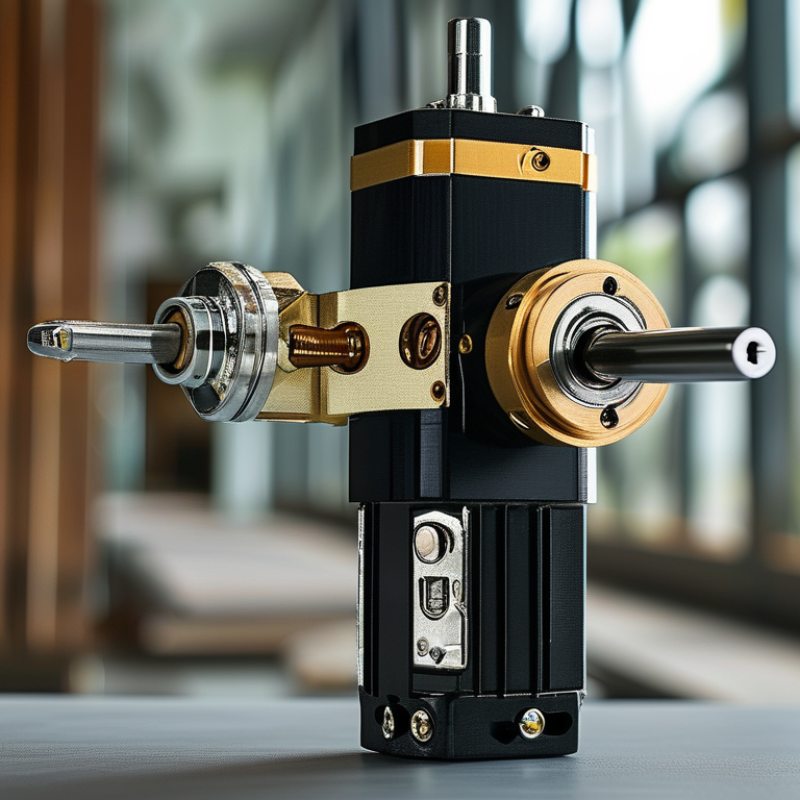
Choosing the right motor for lock solutions involves several key factors. Reliability is paramount. According to industry reports, around 30% of lock failures are linked to motor issues. Selecting a motor with a proven track record ensures security and minimizes maintenance.
Durability also plays a crucial role. A motor's lifespan should match the demands of its environment, which can vary significantly from residential to industrial applications.
Another essential factor is torque. The required torque depends on the lock's design and the securing mechanism. Data indicates that low-torque motors may not withstand forced entry attempts. Consultants often recommend testing torque specifications to gauge performance.
Energy efficiency is also worth considering. High-efficiency motors can lead to reduced energy costs over time. The Energy Information Administration notes that energy-efficient motors can save up to 15% in operational costs. However, it’s important to balance energy efficiency with other performance metrics. A reliance solely on energy ratings could overlook factors like speed and durability, which may impact long-term usage.
When choosing motors for lock mechanisms, understanding the various type of motors is crucial. Electric motors are popular. They offer precise control, essential for modern locking systems. The global electric motor market is projected to grow to $126.3 billion by 2025. This growth highlights the increasing reliance on these technologies for security solutions.
Another option is solenoid motors, known for their simple design and quick action. They convert electrical energy into linear motion. This feature is valuable in applications requiring rapid locking and unlocking. However, they may have limitations in durability and power usage. Research indicates that solenoid motors can consume up to 50% more energy than traditional electric motors in some situations.
For heavier lock systems, consider using stepper motors. They provide accurate positioning, making them suitable for high-security locks. A report from the International Electrotechnical Commission shows that stepper motors can achieve 1.8° resolution per step. Despite their advantages, they can be complex to control and may require additional programming, posing challenges for some applications. As you weigh options, remember that each motor type has distinct pros and cons. Selecting the right one can significantly impact system reliability and performance.
| Motor Type | Voltage (V) | Power (W) | Torque (Nm) | Suitability |
|---|---|---|---|---|
| DC Motor | 12 | 30 | 0.5 | Electronic Locks |
| Stepper Motor | 24 | 50 | 0.8 | Smart Locks |
| Servo Motor | 6 | 20 | 0.3 | Lever Locks |
| AC Motor | 220 | 100 | 1.5 | Heavy-Duty Locks |
| Brushless Motor | 48 | 75 | 1.0 | High-Tech Locks |
When selecting a motor for lock solutions, compatibility is crucial. Each locking technology operates uniquely, requiring specific motor types. For electric locks, a precision motor ensures reliable performance. However, not all motors fit seamlessly with every lock design. This mismatch can lead to security vulnerabilities or operational failures.
Consider the specifications of both the motor and lock. Voltage requirements, torque ratings, and physical dimensions matter. A motor must align with the lock's operational needs. Some designs may also pose unique installation challenges. Furthermore, integrating a motor without thorough testing could harm system efficiency.
It's important to evaluate the overall functionality. Over time, even minor discrepancies can lead to significant issues. Choosing a motor that fits well can save time and reduce frustration. Reflecting on past decisions can help in making better future choices. Investing in quality and compatibility is essential for a reliable locking system.
When selecting a motor for lock solutions, energy efficiency and performance should be key considerations. The right motor can significantly affect the overall effectiveness of locking systems. A highly efficient motor reduces energy consumption, which can lead to cost savings over time. It's good to have motors that comply with energy standards, as this also promotes sustainability.
Performance factors are equally important. The motor's torque, speed, and responsiveness play crucial roles in how quickly and securely locks engage. A motor with insufficient torque may struggle under heavy loads. Additionally, some motors exhibit overheating issues when subjected to prolonged use, impacting their reliability. It's essential to assess these factors before making a decision.
Limitations can also be observed in certain applications. Not all motors perform equally in diverse environments. Factors like temperature, humidity, and dust levels can affect motor efficiency. This variability calls for careful assessment to ensure that the chosen motor meets performance expectations across different conditions. Ultimately, balancing energy efficiency with performance characteristics is essential for optimal lock solutions.
When considering lock motors, maintenance and durability are crucial. These factors ensure long-term performance and reliability. The right motor can significantly affect the lifespan of your lock solutions. Regular inspections are essential. Look for signs of wear and tear. Lubrication should be part of your routine. Neglecting these tasks can lead to premature failures.
Choose motors that align with your operational needs. Not all locks require the same motor specifications. Consider the load and frequency of use. A heavy-duty motor may be necessary for high-traffic areas. Conversely, lighter applications can benefit from less robust options. Weighing durability against cost is vital. A cheap motor may save money initially but can lead to more expenses down the line.
It's also important to consider the environment. Exposure to moisture or extreme temperatures can affect motor performance. Select motors designed for specific conditions. Understanding the operating environment helps in making informed decisions. A proactive approach to maintenance can avoid unexpected breakdowns and costly repairs. By focusing on these aspects, longevity and functionality are ensured for your lock solutions.
: Reliability is crucial. About 30% of lock failures relate to motor issues.
Consider the motor’s lifespan and its suitability for specific environments.
Torque impacts a lock's ability to withstand forced entry attempts.
Energy-efficient motors can save up to 15% in operational costs over time.
Electric, solenoid, and stepper motors are popular choices with unique benefits.
Conduct inspections for wear, perform lubrication, and address any signs of damage.
While cheaper motors save upfront costs, they might lead to higher long-term expenses.
Moisture and extreme temperatures can negatively impact motor functionality and lifespan.
Heavier, more durable motors are often necessary for high-traffic applications.
They can be complex to control, sometimes requiring additional programming skills.
When selecting the right motor for lock applications, several critical factors should be considered. It is essential to evaluate the different types of motors available, as various lock mechanisms may require specific motor types for optimal performance. Additionally, compatibility with existing lock technologies must be assessed to ensure seamless integration. Energy efficiency is also a key consideration, as it impacts both performance and long-term operating costs.
Moreover, maintenance and durability are crucial aspects when choosing a motor for lock solutions. A reliable motor should not only meet performance demands but also withstand wear and tear over time. By carefully considering these factors, one can select the most suitable motor for lock mechanisms, ensuring enhanced security and efficiency.

Luv Motors