Luv Motors


Engineering Whitepaper: The Evolution and Mechanics of DC Micro Vibration Motors
Technical specifications, application taxonomies, and strategic supply chain analysis for international procurement officers
1. Understanding Micro-Vibration Electro-Mechanical Dynamics
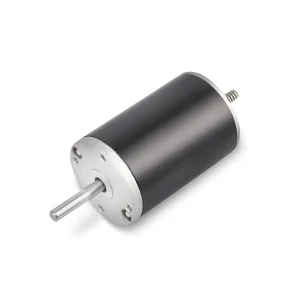
Micro vibration motors, fundamentally categorized as Eccentric Rotating Mass (ERM) motors and Linear Resonant Actuators (LRA), serve as the foundational hardware for haptic feedback mechanisms, therapeutic stimulation, and mechanical agitative systems. The basic mechanical principle behind an ERM vibration motor lies in the rotation of an asymmetrical mass offset from the axis of rotation. When a voltage is applied to the coreless or core-structured DC rotor, the resultant centrifugal force ($F = m \cdot r \cdot \omega^2$, where $m$ is the eccentric mass, $r$ is the eccentricity radius, and $\omega$ is the angular frequency) produces an unbalanced spatial vector loop. This translates directly to mechanical displacement perceived by the end-user or system chassis as vibration.
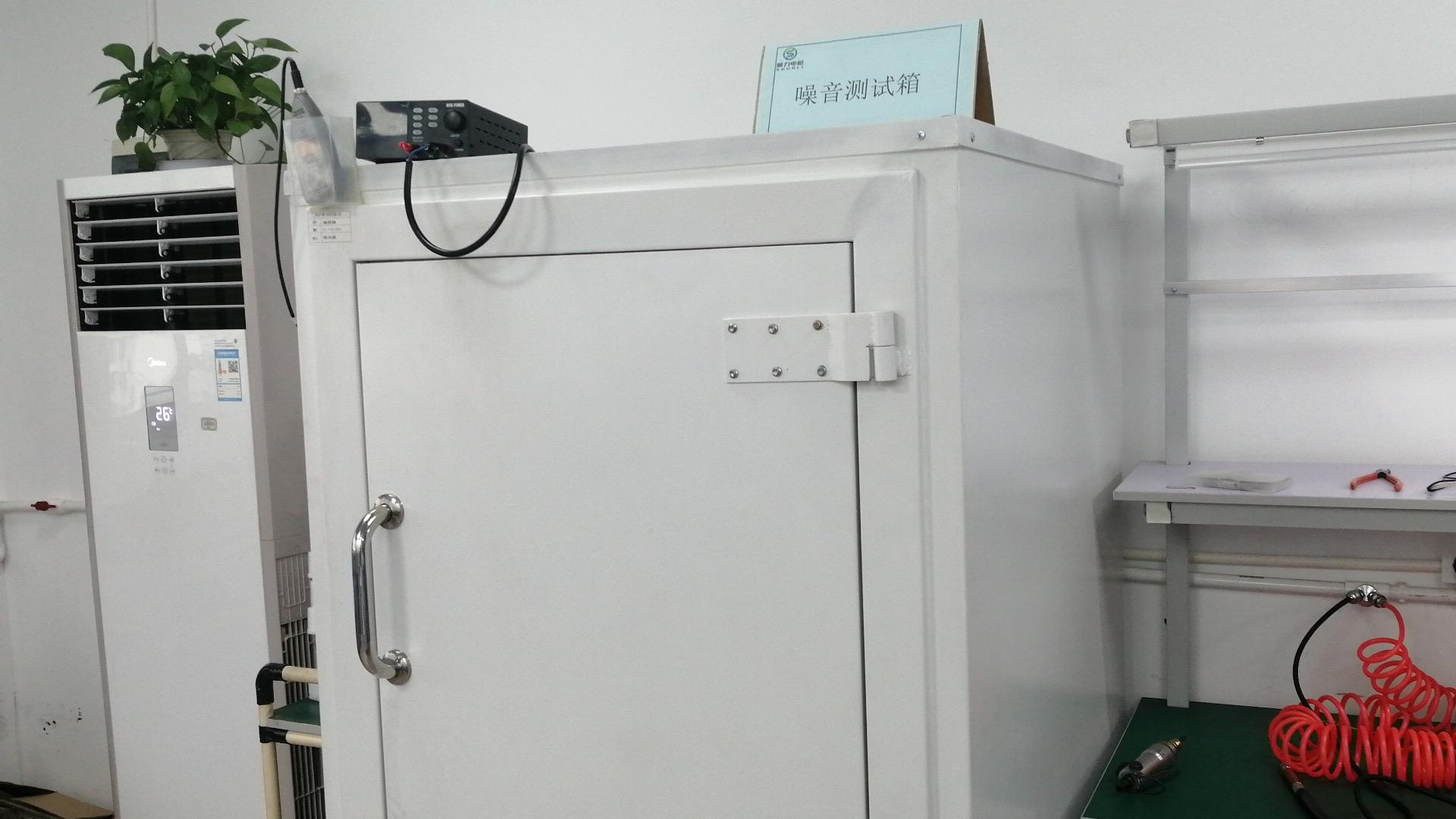
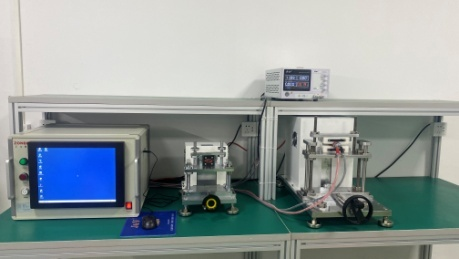
In engineering application contexts, specifying the exact vibration motor configuration involves matching input voltage (typically varying from 1.5V DC to 24V DC) with the required vibration amplitude (expressed in G-force equivalents) and targeted operating frequency. A common challenge in consumer electronics is minimizing audible acoustic noise while maximizing mechanical haptic feedback. This is achieved through precision balance tuning of the eccentric weight and integrating dampening elastomer housings. Luv Motors engineers utilize dynamic balancing instruments to ensure that our custom-weighted rotors minimize high-frequency shear waves while accentuating targeted haptic frequencies (typically between 150 Hz and 250 Hz, optimal for human tactile sensors).
2. Micro Drive Technology Roadmap and Future Industry Trends
The micro-drive industry is undergoing a transition driven by miniaturization, efficiency demands, and intelligent control architectures. Core areas within this roadmap include:
- Miniaturization and Coreless Design: Standard brushed motors rely on an iron core rotor. Modern micro applications require coreless designs (cup-wound armature windings) that eliminate magnetic cogging, reduce weight, and enable faster acceleration/deceleration response times. Diameters are shrinking down to 4mm, demanding microscopic wiring accuracy.
- Brushless Commutation (BLDC) Shift: While brushed motors offer cost-effective operation for intermittent duty cycles (such as smart locks or massage devices), applications requiring high operating life cycles (10,000+ hours) like high-speed hair dryers, specialized medical devices, or automated industrial valves are transitioning to BLDC technology. Eliminating mechanical brushes removes friction, reduces EMI (Electromagnetic Interference), and increases thermal efficiency.
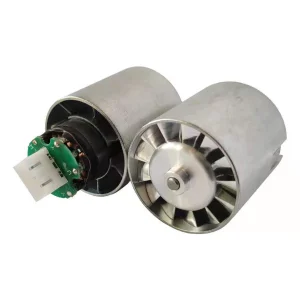
- Integrated Control Boards: Modern systems demand intelligent feedback loops. Incorporating customized control boards featuring integrated driver ICs directly onto the rear cap of the motor enables precise closed-loop speed control, current sensing, and communication protocols (e.g., Modbus or custom PWM interfaces) without occupying external PCB space.