Explore our engineering catalog of standard and custom-configured micro electric motors designed for optimal efficiency, low noise, and high torque output.
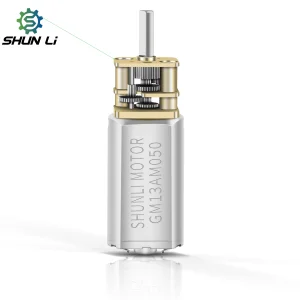
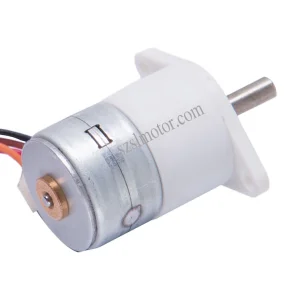
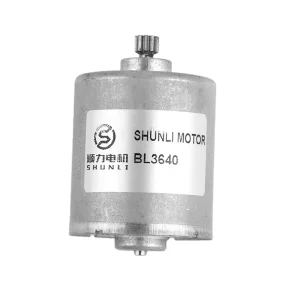
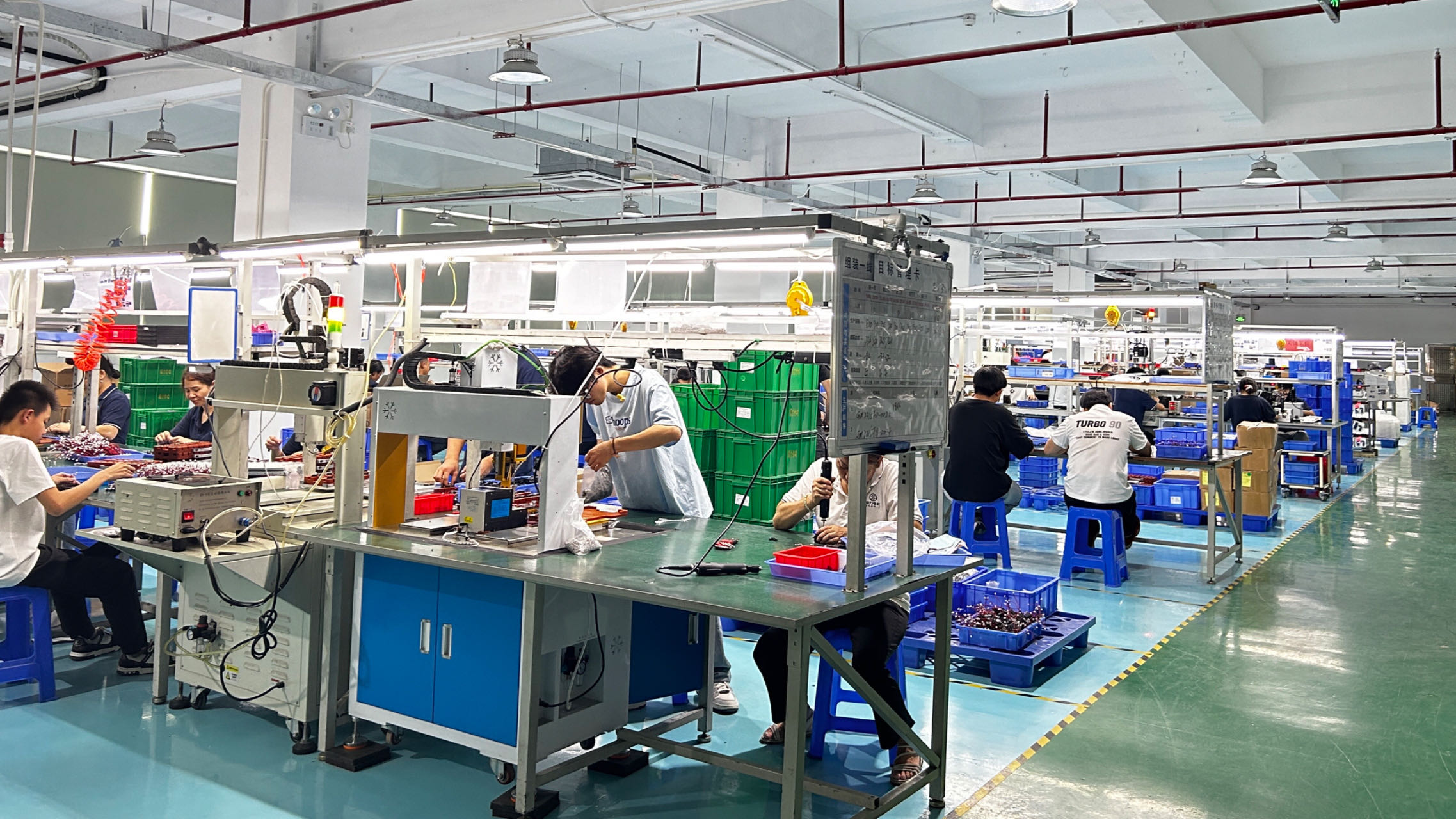
Established in 2006, Luv Motors is an ISO9001-certified and nationally recognized High-Tech China manufacturer specializing in high-performance Micro DC Motors, DC Gear Motors, and Brushless DC Motors (BLDC).
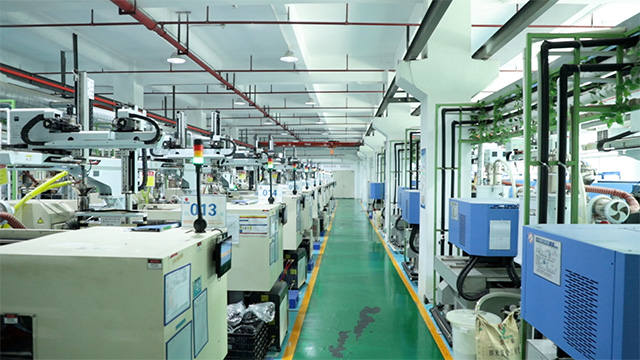
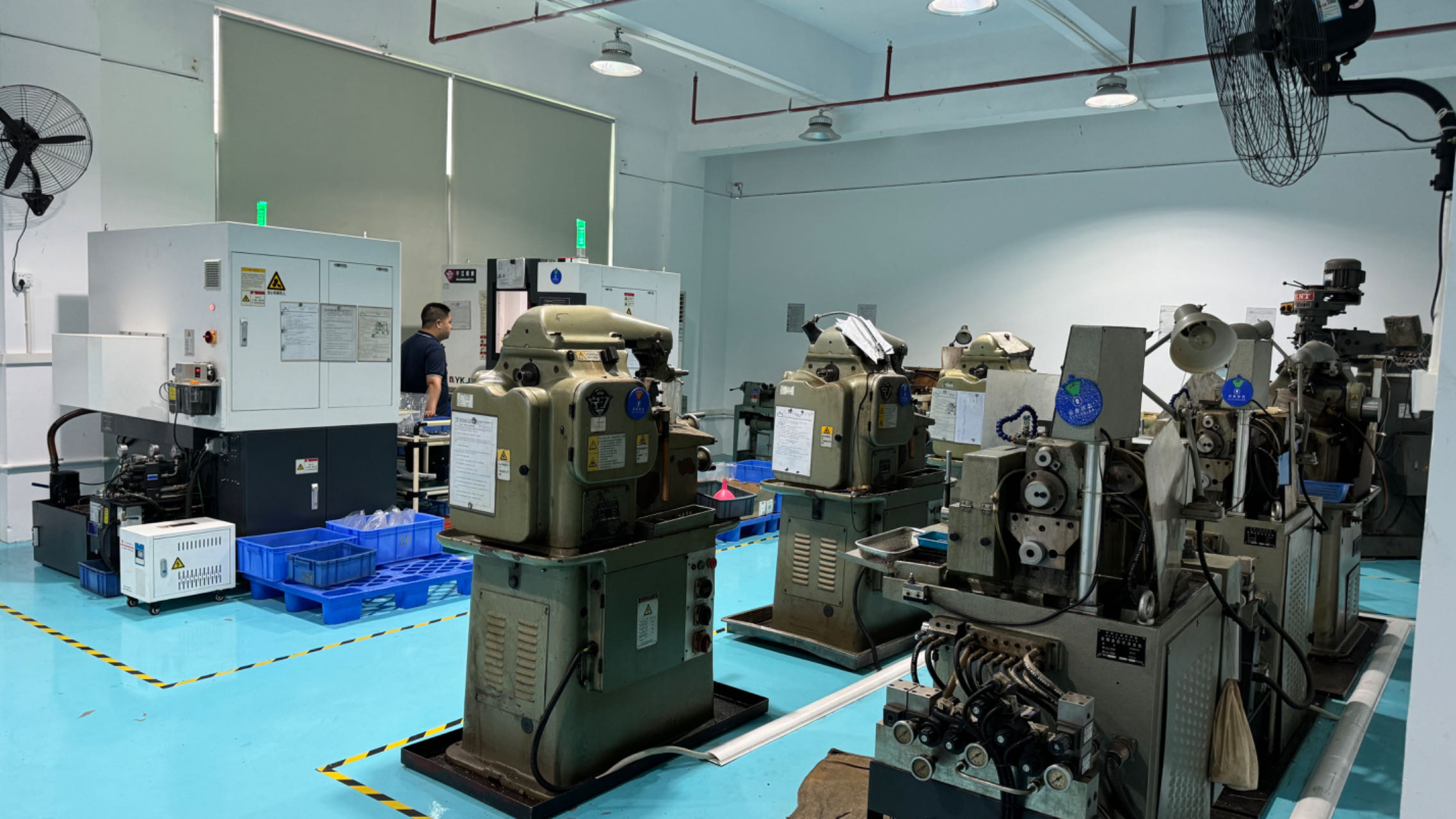
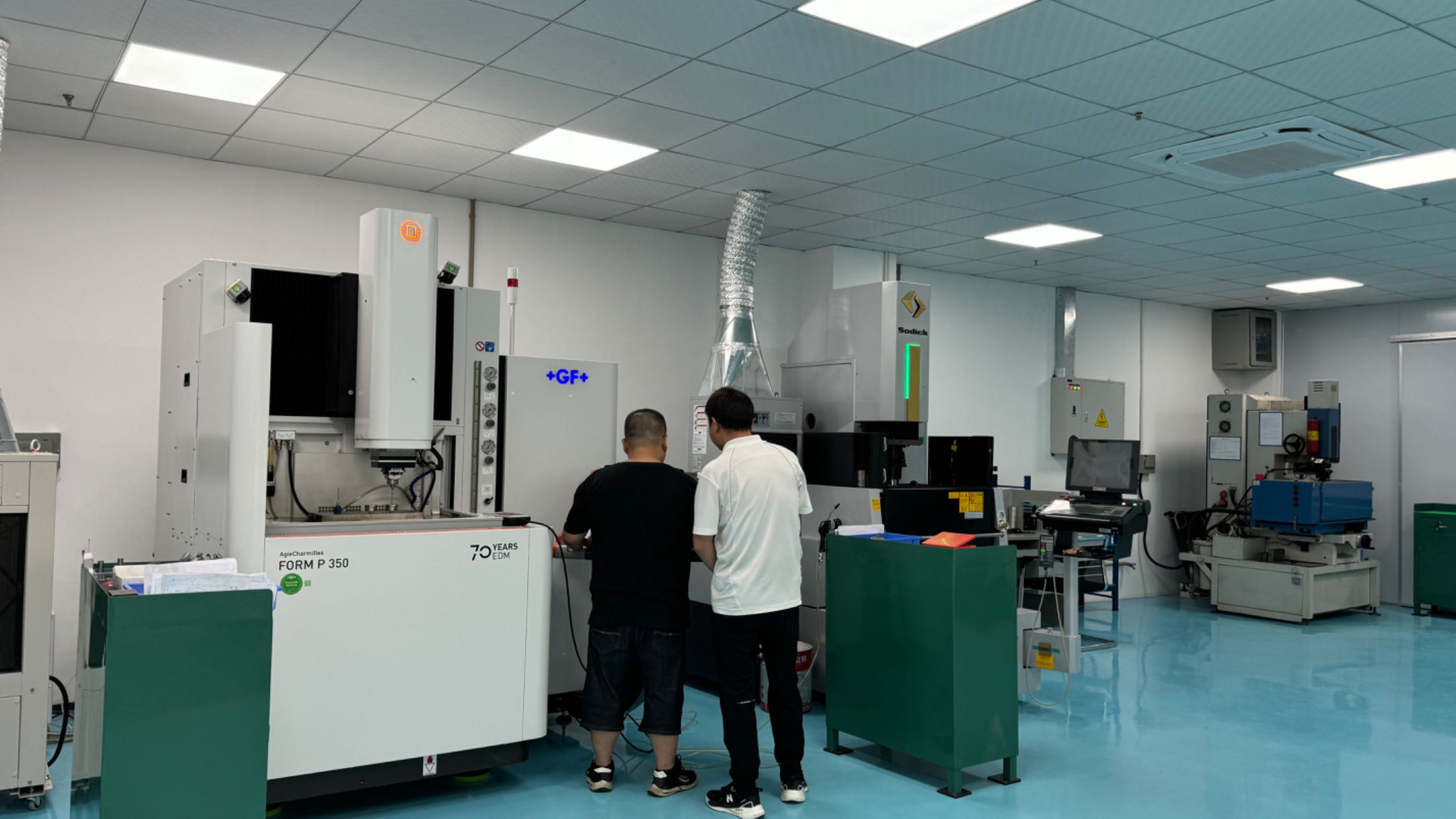
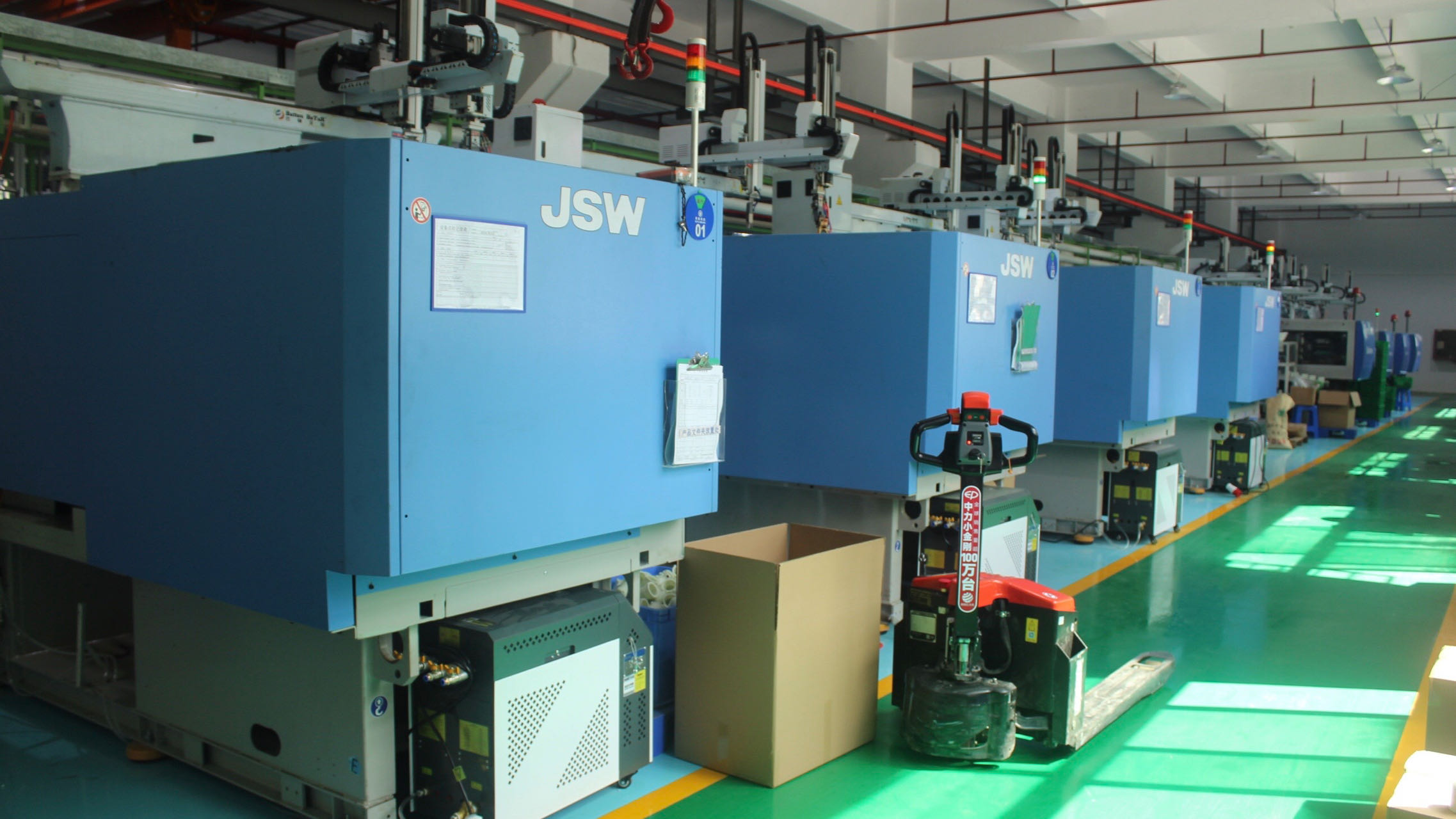
We solve the critical engineering trade-offs between size, noise, torque, and power efficiency. By controlling the entire process in-house—from design and high-precision CNC machining to automated winding and final dynamometer verification—we ensure every unit shipped meets strict tolerances. Partner with Luv Motors for competitive factory direct pricing, rapid prototyping (7–14 days), and rigorous quality control for B2B applications worldwide.
"We deliver Top Quality through automated production and 100% Customization through our dedicated engineering team, serving OEMs from smart home technologies to automotive subsystems."


How modern material science, coreless geometry, and brush optimization are redefining micro electric drives.
Modern micro DC motors leverage high-grade sintered Neodymium-Iron-Boron (NdFeB) magnets, raising magnetic flux density in the airgap. This design transition ensures higher output torque and power-to-weight ratios compared to traditional ferrite magnets.
Choosing between precious metal and carbon brushes is critical. Precious metal brushes (gold/silver alloy) minimize electrical resistance and noise, ideal for low-current systems. Carbon brushes provide robust wear properties, handling high starting torque and continuous cycles.
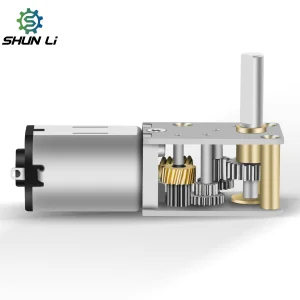
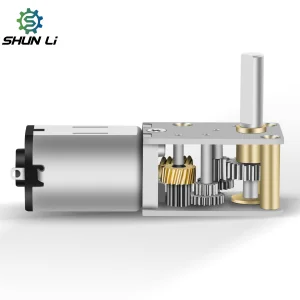
Integrating spur gearboxes, planetary arrangements, or self-locking worm systems dictates transmission efficiency. Using advanced materials like carbon-filled POM or sintered powder metallurgy optimizes the balance of speed, acoustic footprint, and load capacity.
Industrial trends focus on miniaturization and thermal management. As smart actuators shrink, structural design shifts toward integrating drive circuitry directly into the motor housing. For instance, in automated security mechanisms and medical pumps, designers require micro DC motors that operate with minimal thermal drift. This is achieved by utilizing low-resistance copper windings, precision stator laminations, and balanced iron-core or coreless geometries.
Another shift involves the rapid adoption of coreless (hollow cup) motor technology for applications demanding ultra-low inertia and zero cogging torque. By eliminating the iron stator core, these motors prevent magnetic saturation, allowing for near-instantaneous acceleration profiles. This advancement is critical in medical surgical handpieces, industrial positioning equipment, and premium consumer electronics.
Procuring micro electric drives involves complex design-in cycles, shaft modification requests, and rigorous parameter qualification. For international buyers, the challenge lies in obtaining reliable sample units that accurately represent the performance profile of mass-production runs.
Luv Motors addresses these key sourcing challenges by providing:
When qualification engineers review micro DC motors, the following criteria serve as primary benchmarks to determine reliability and system lifetime:
| Performance Variable | Design Target Range | Critical Failure Modes |
|---|---|---|
| Backlash Control | 0.5° to 3.0° (Planetary) | Angular positioning errors |
| Noise Emission | < 35 dBA @ 30cm distance | Acoustic resonance in housings |
| Brush Operational Life | 1,000 to 5,000 hours (Brushed) | Commutator wear / short circuit |
| Stator Runout | < 0.02 mm | Excessive vibration, bearing wear |
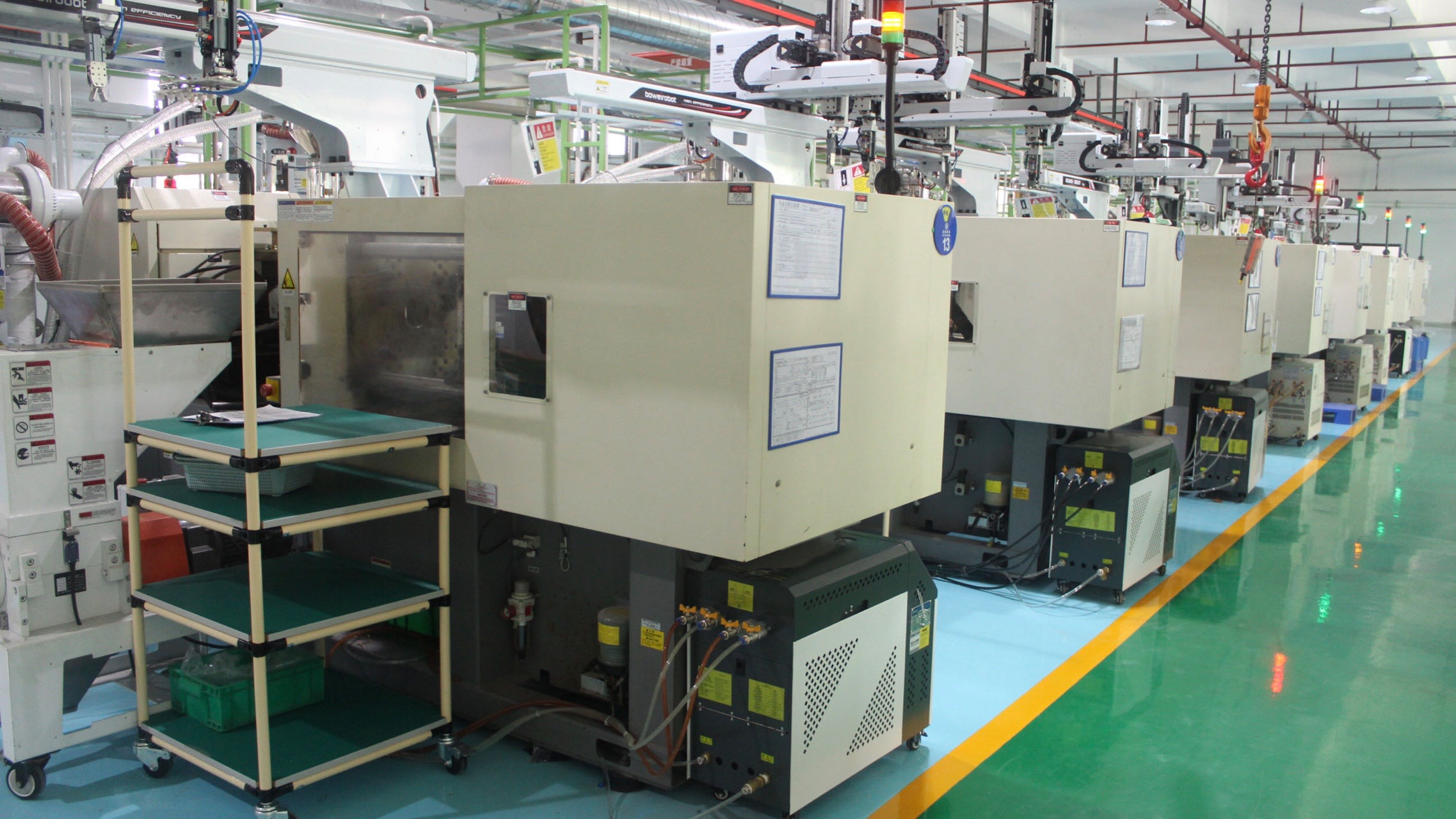
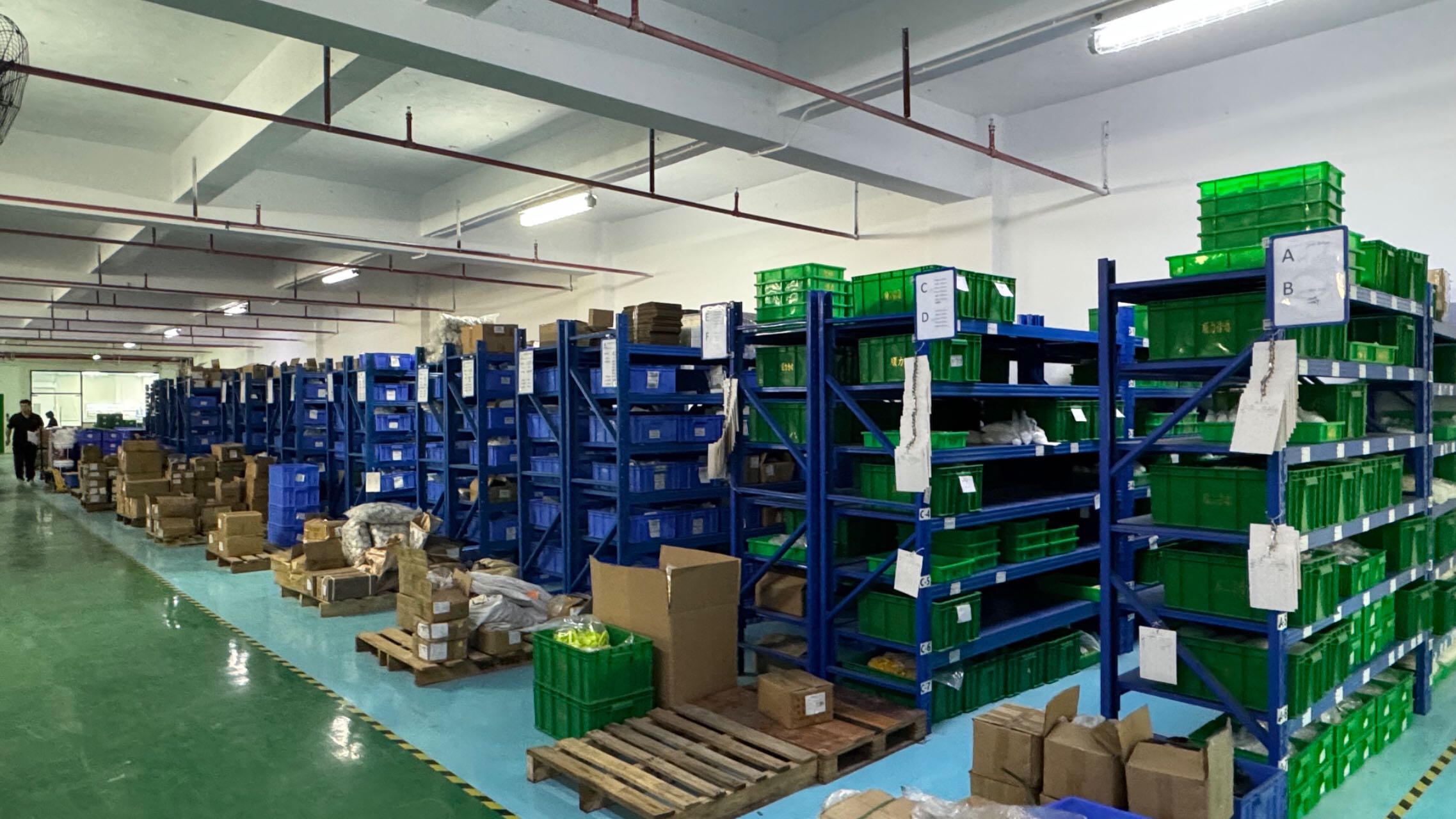
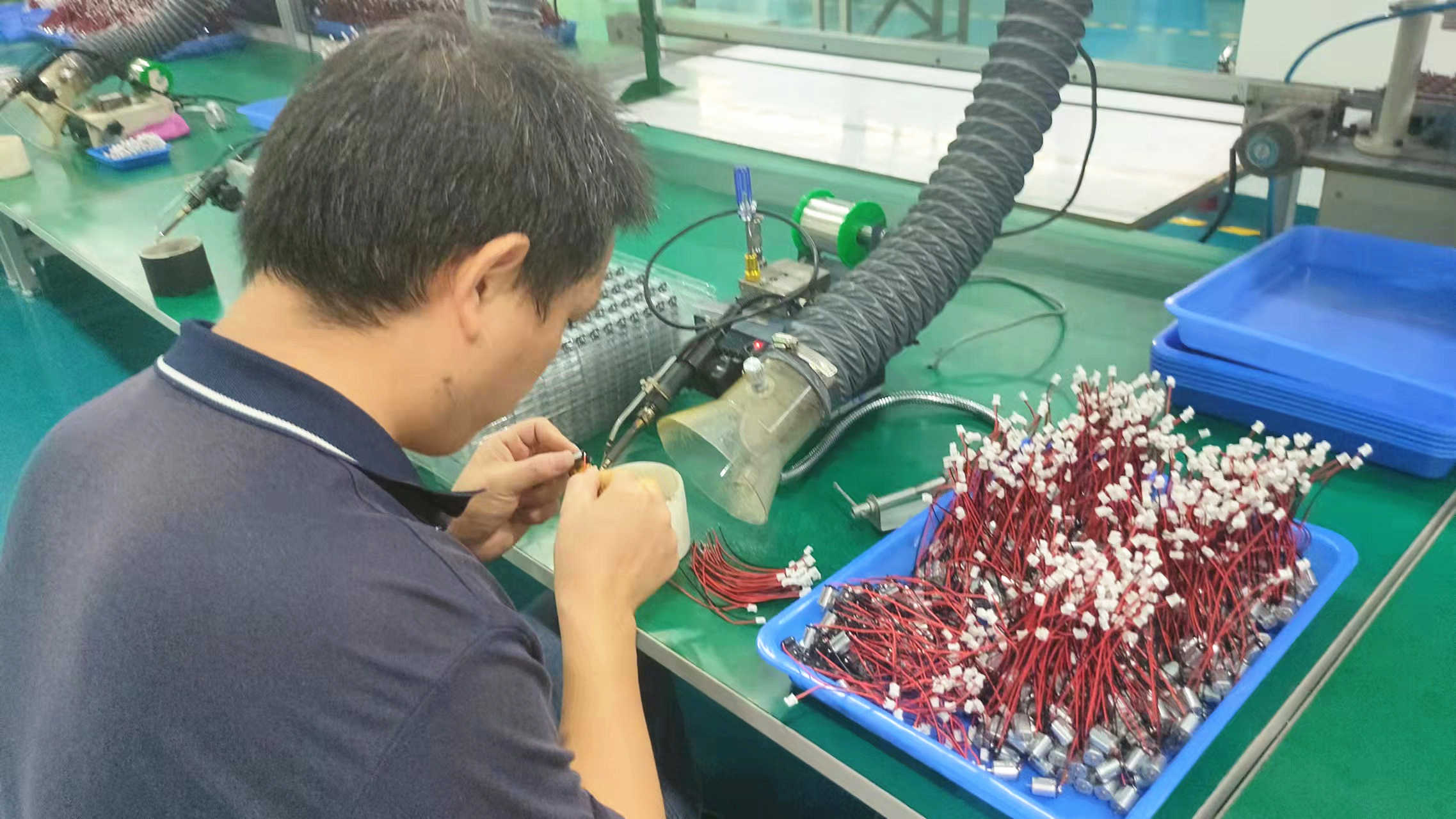
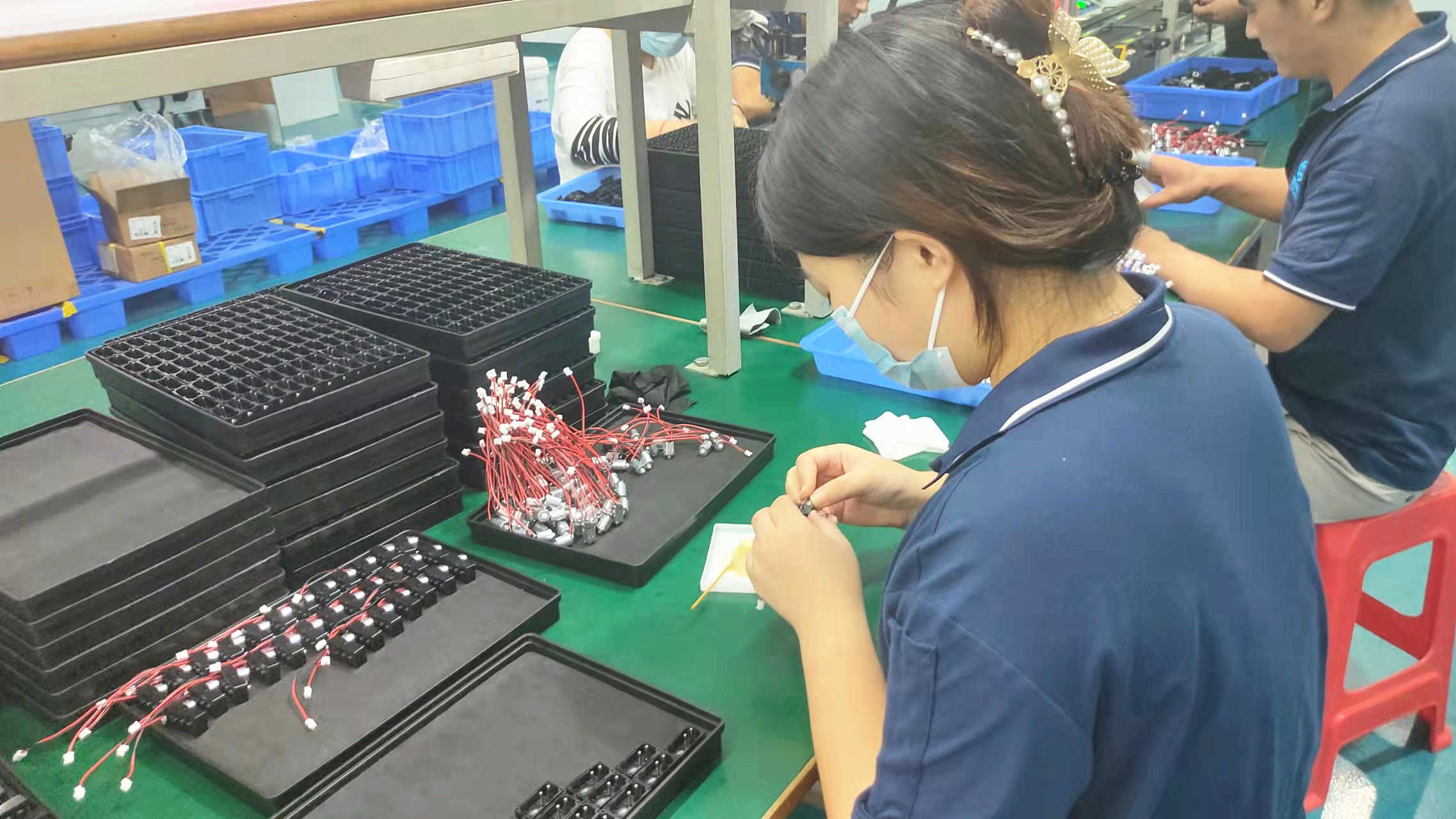
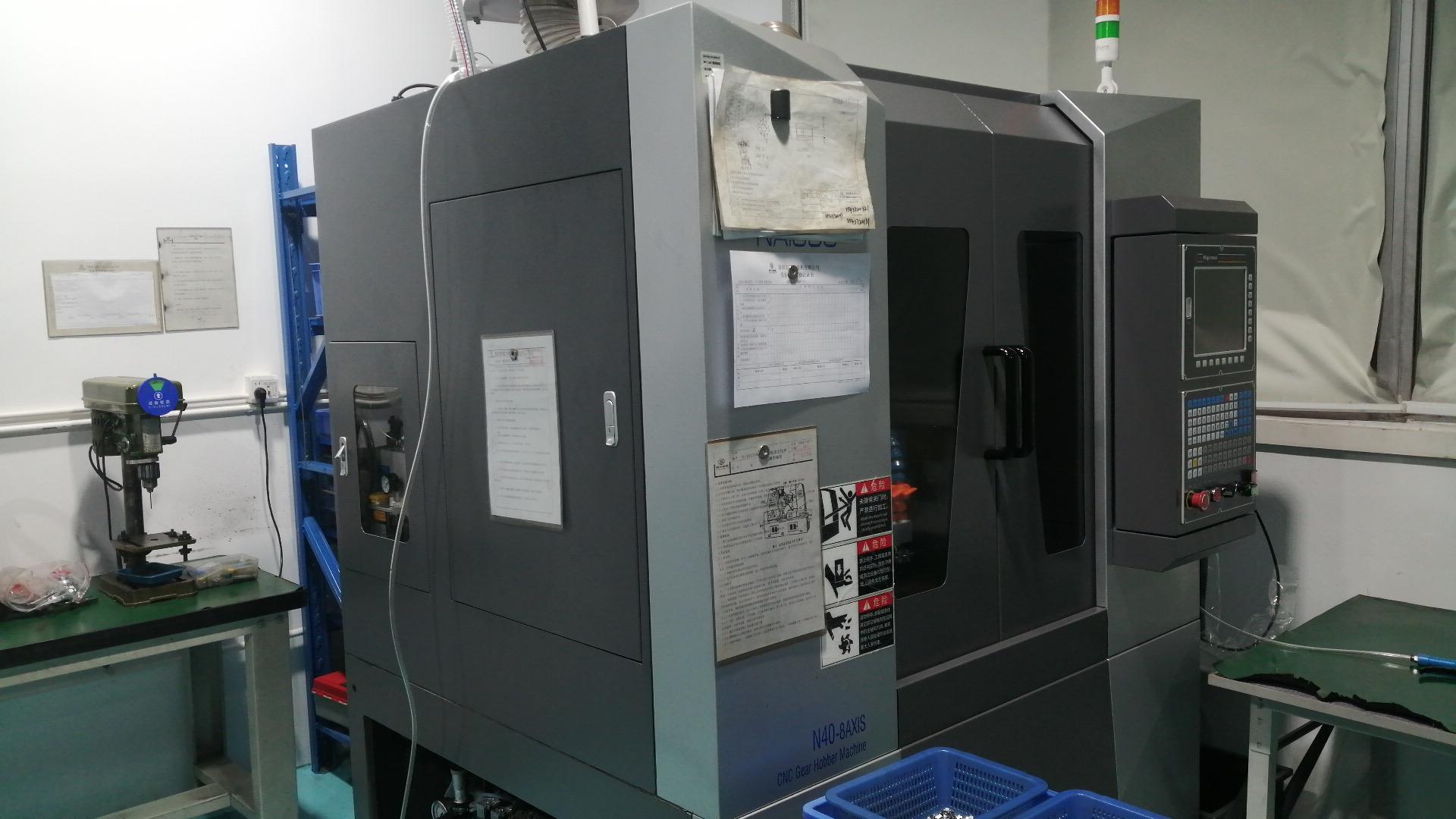
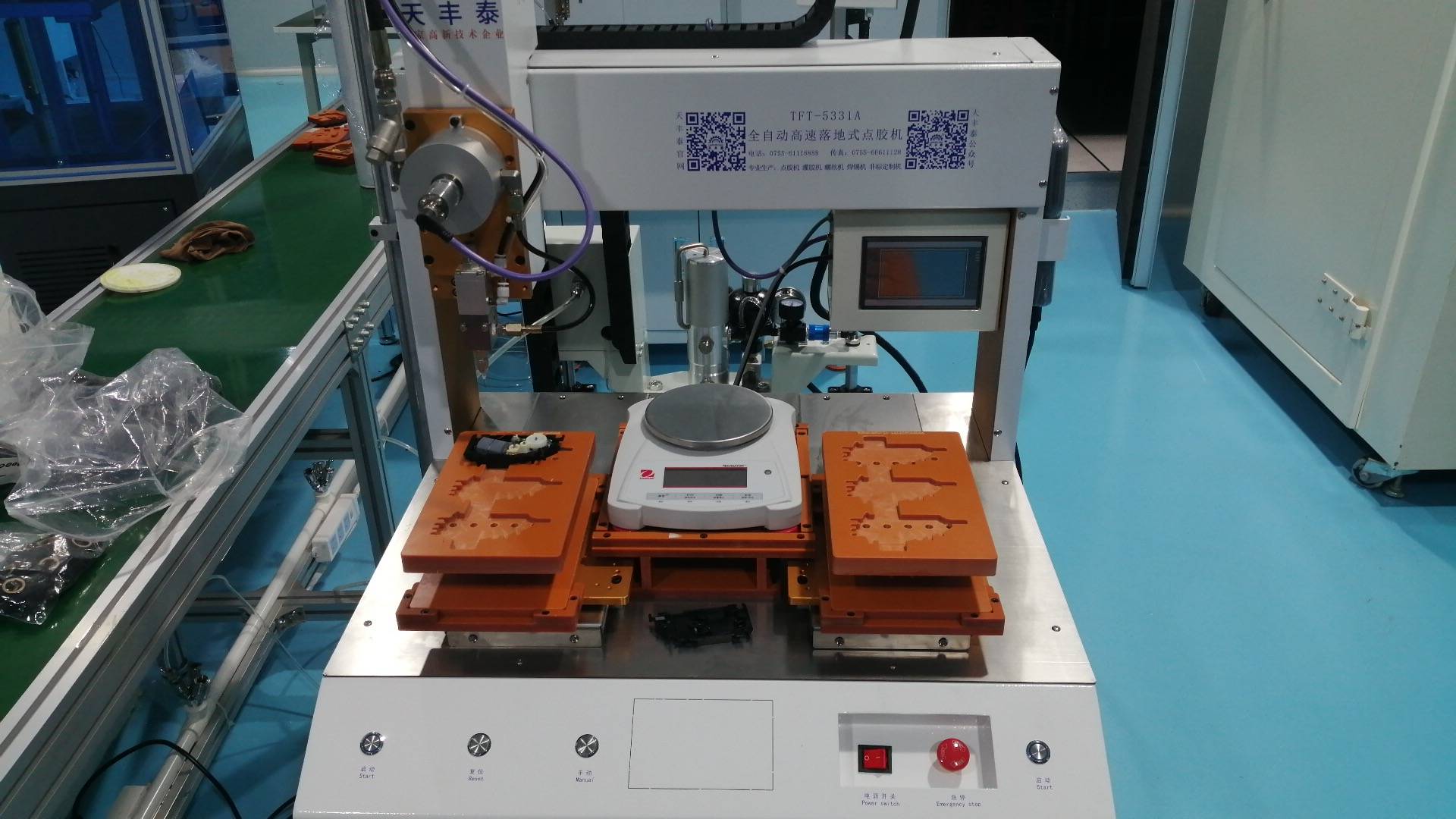
Step-by-step verification of our ISO9001-certified factory processes and high-precision toolsets.
 Raw Material
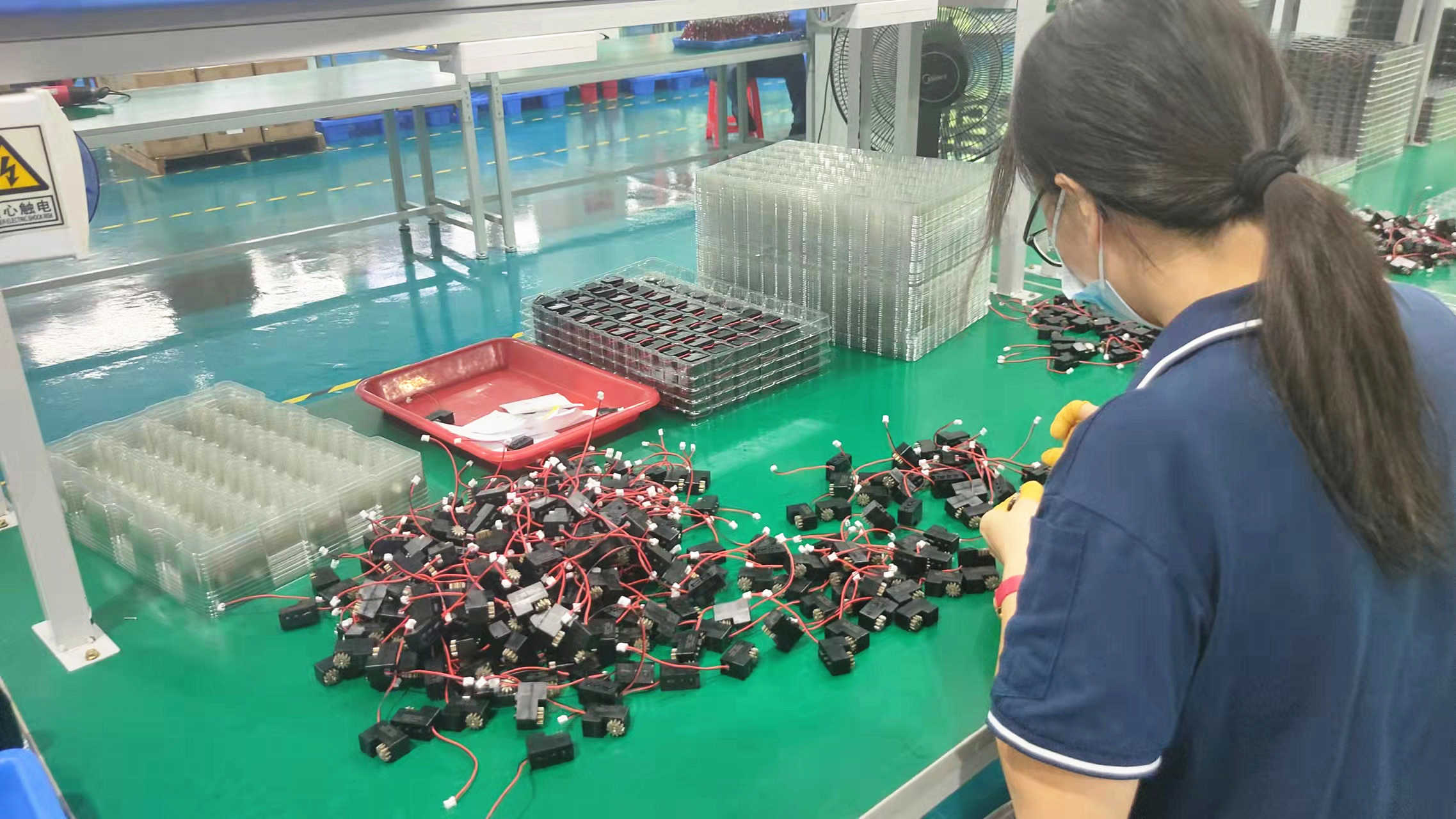
 Soldering
 Assembling
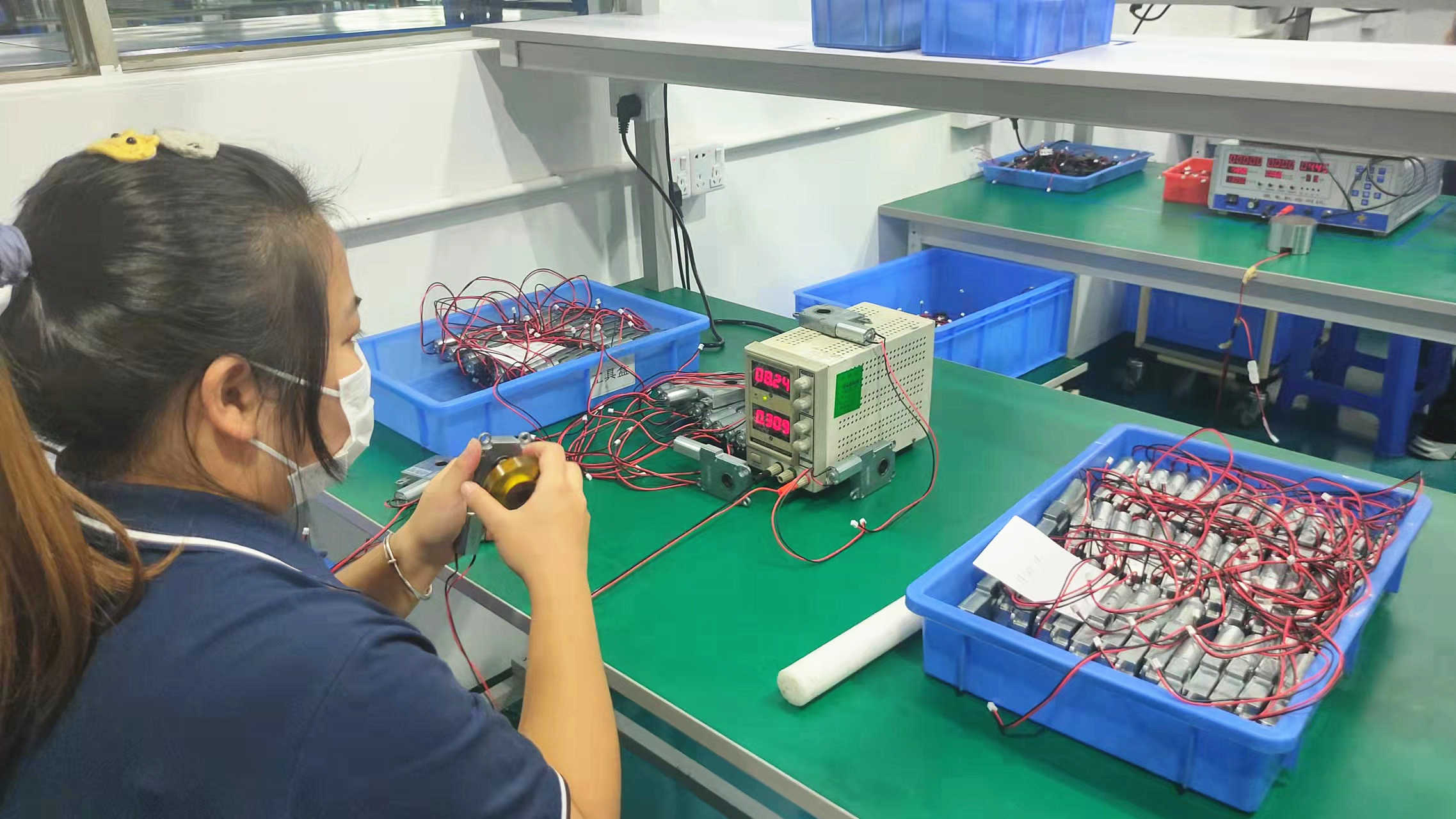
 Testing
 Packing
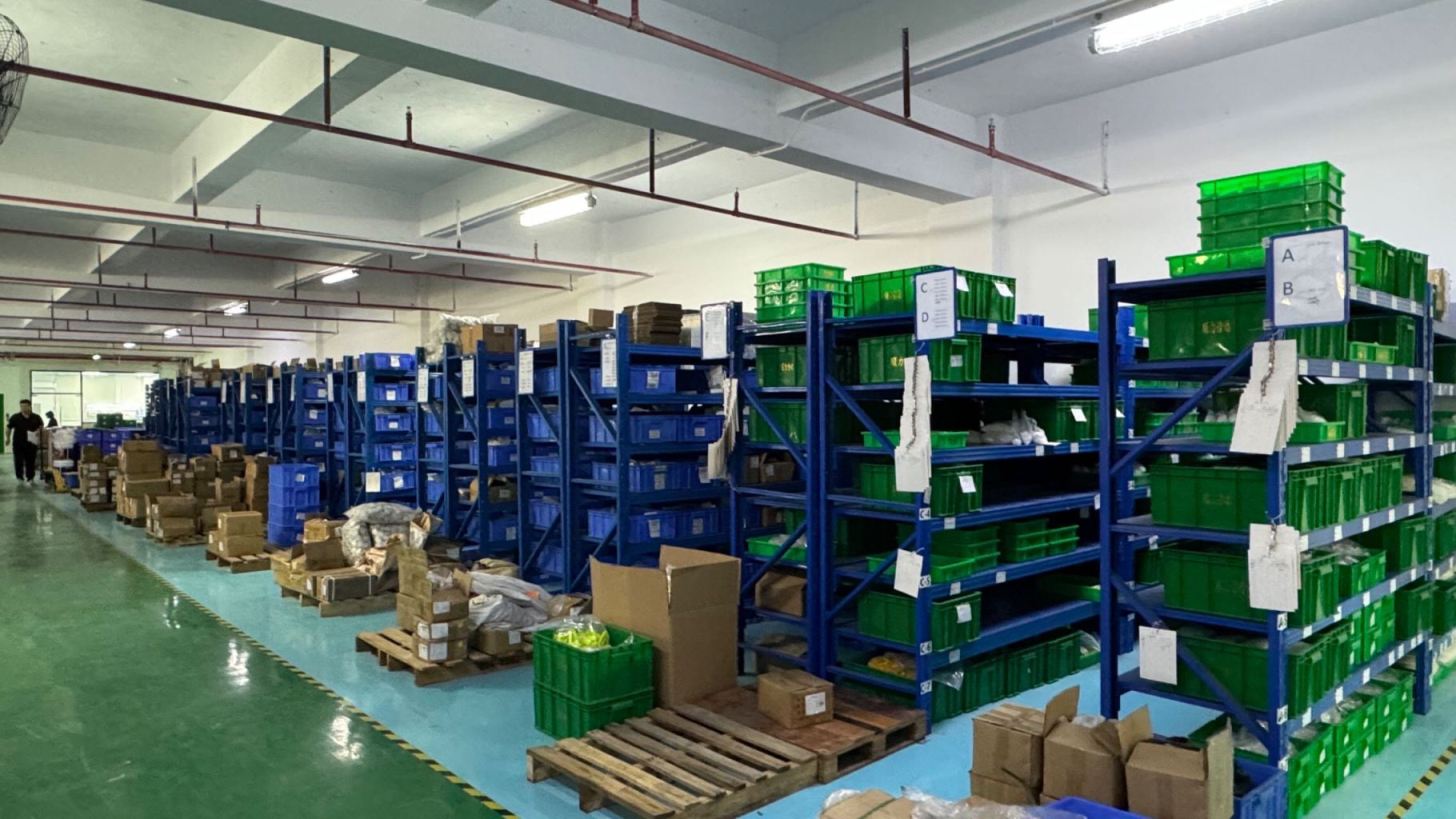 Storage
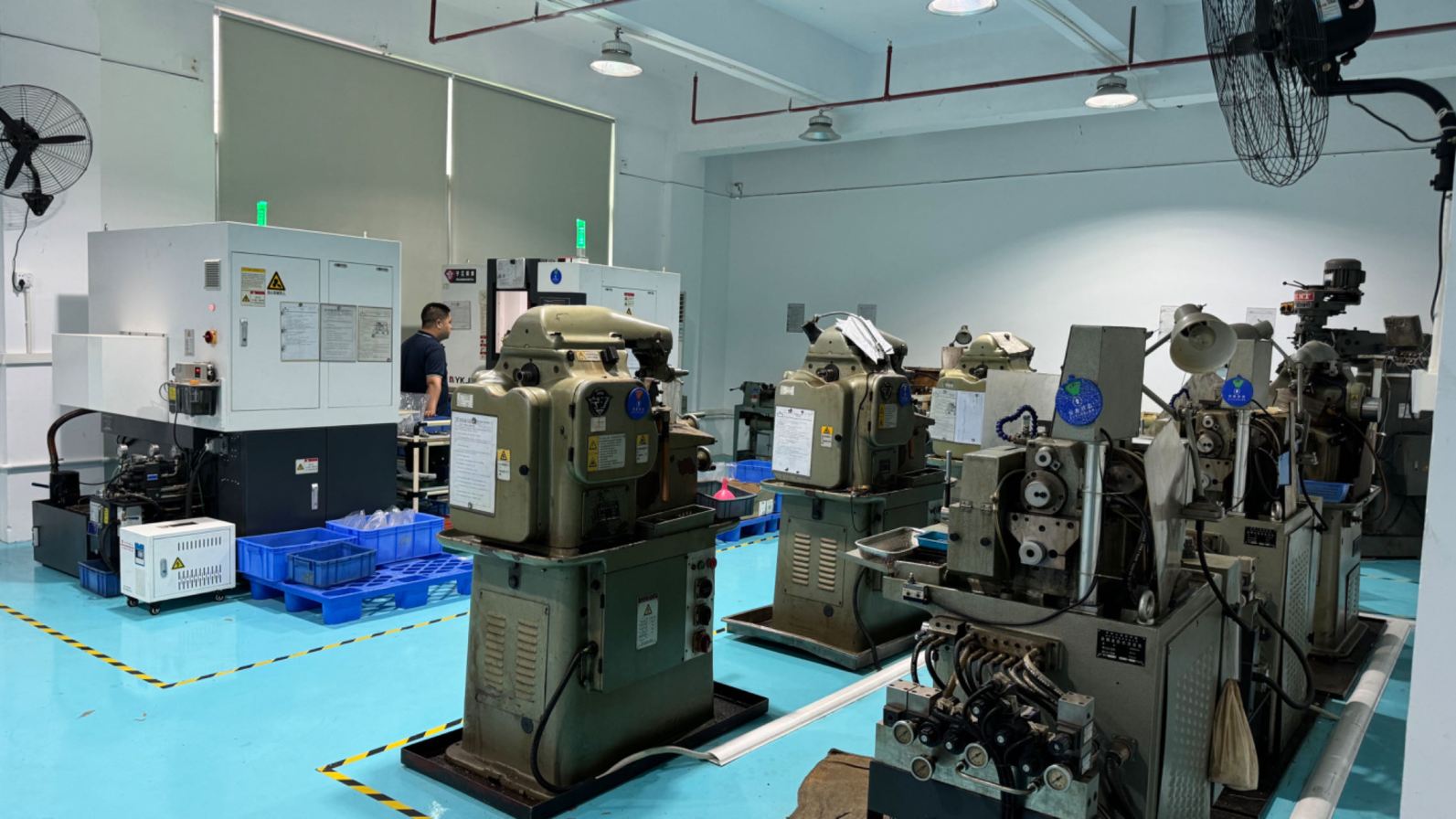
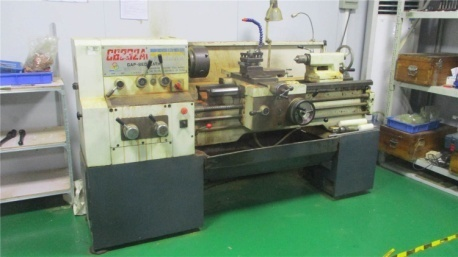
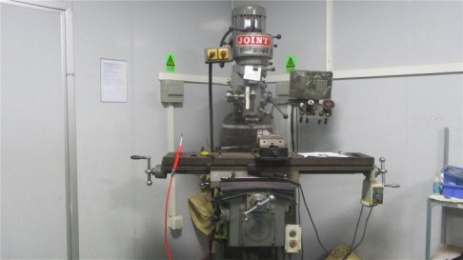
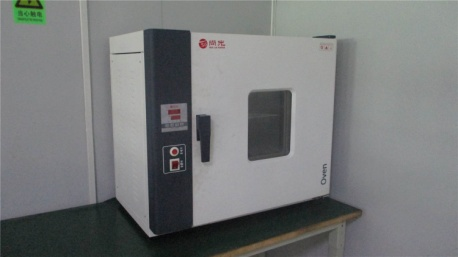
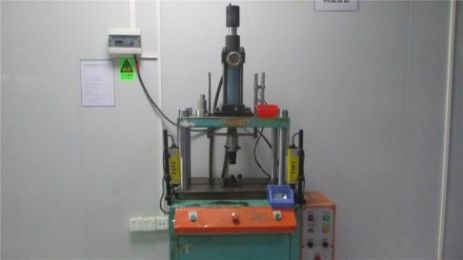
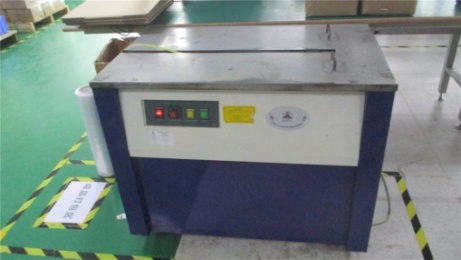
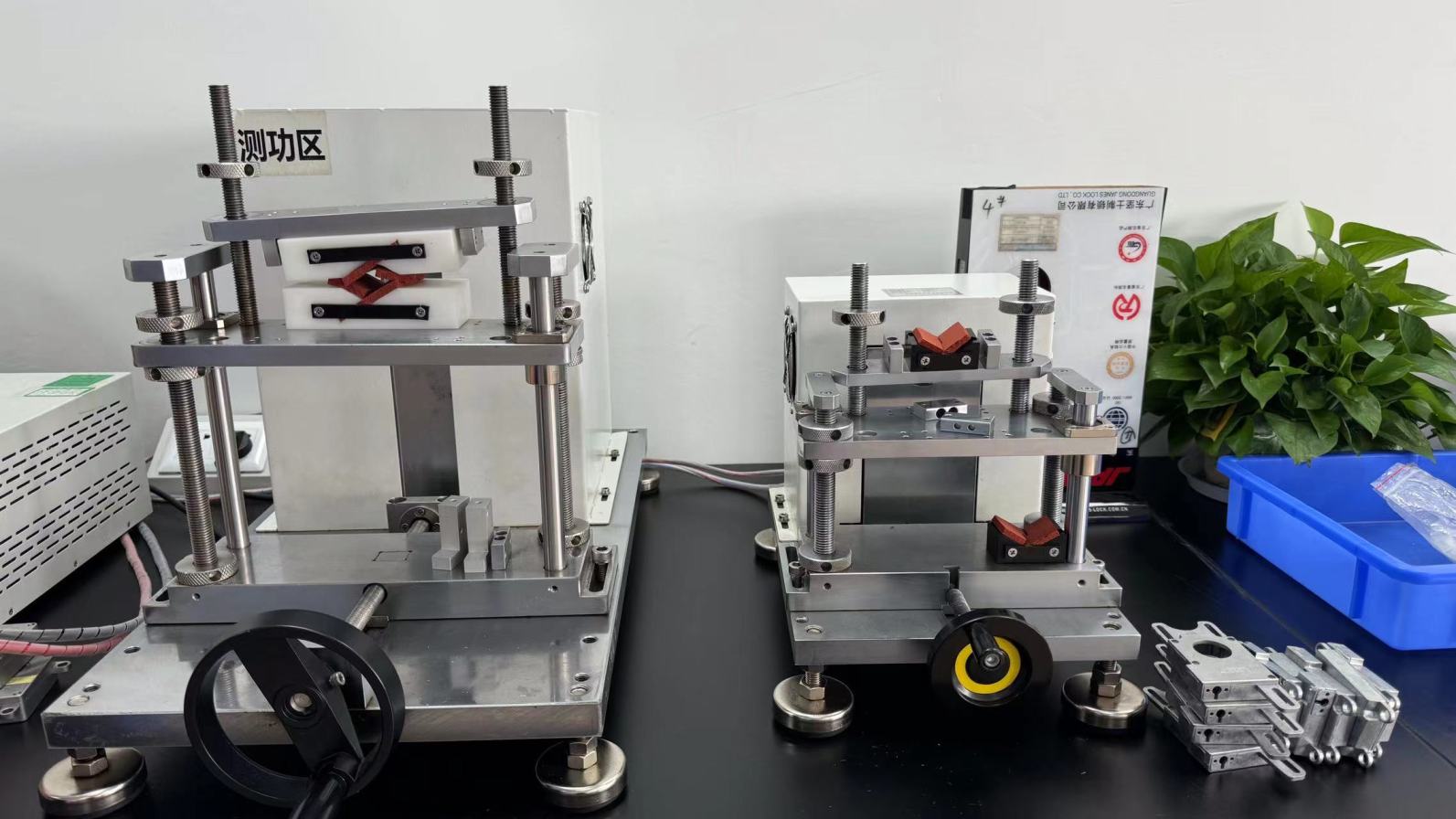
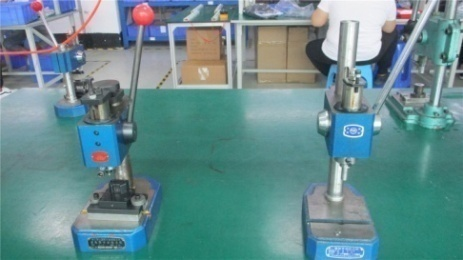
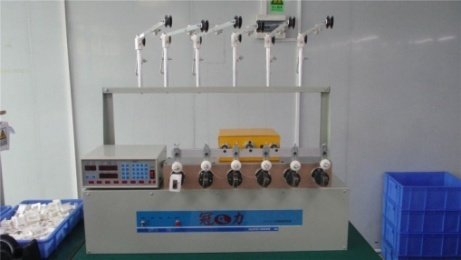
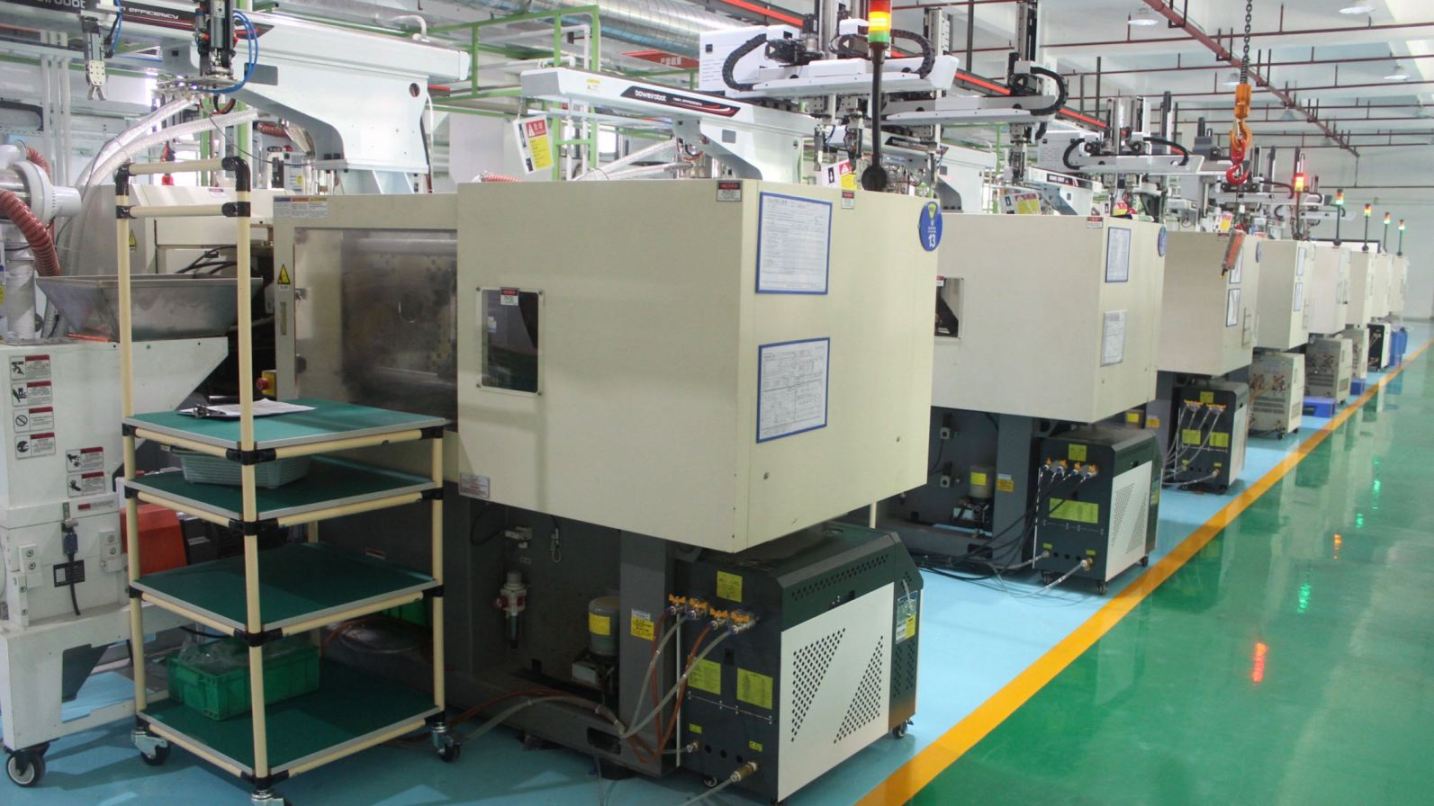
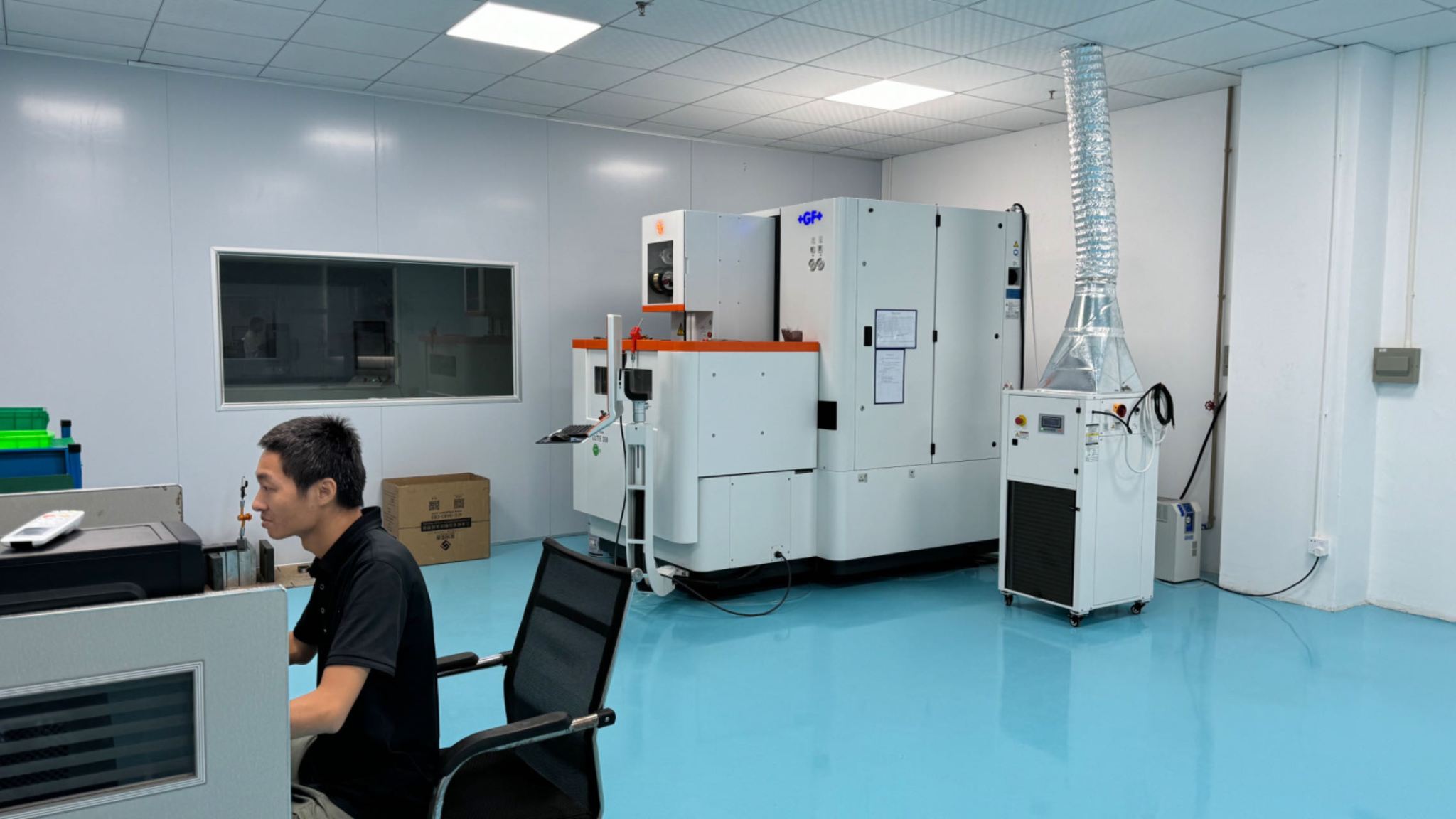
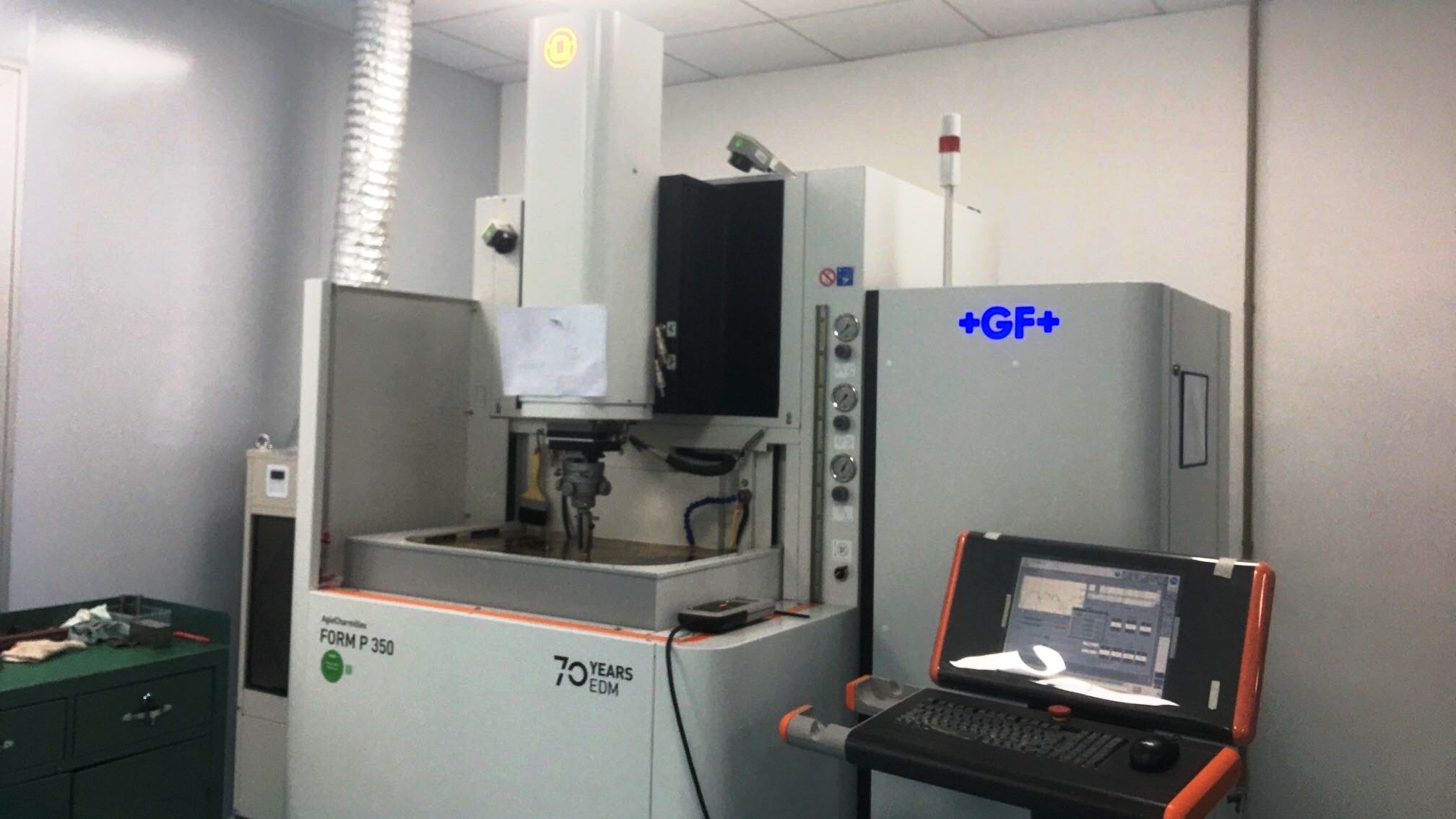
100% inspections and laboratory simulations to assure maximum field lifetime and specification compliance.
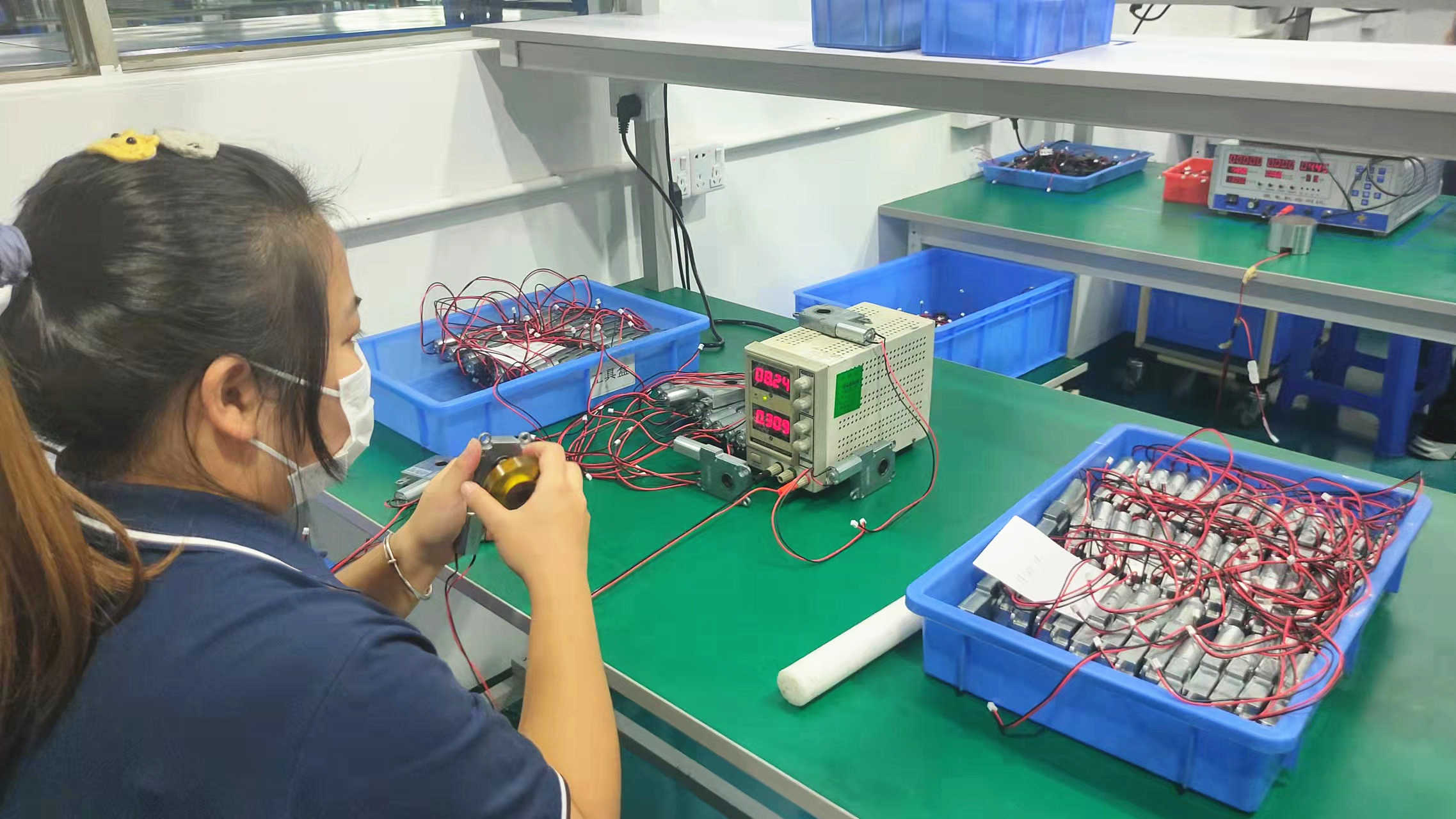
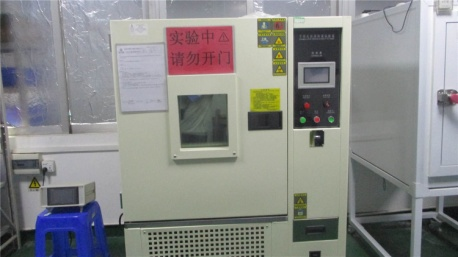
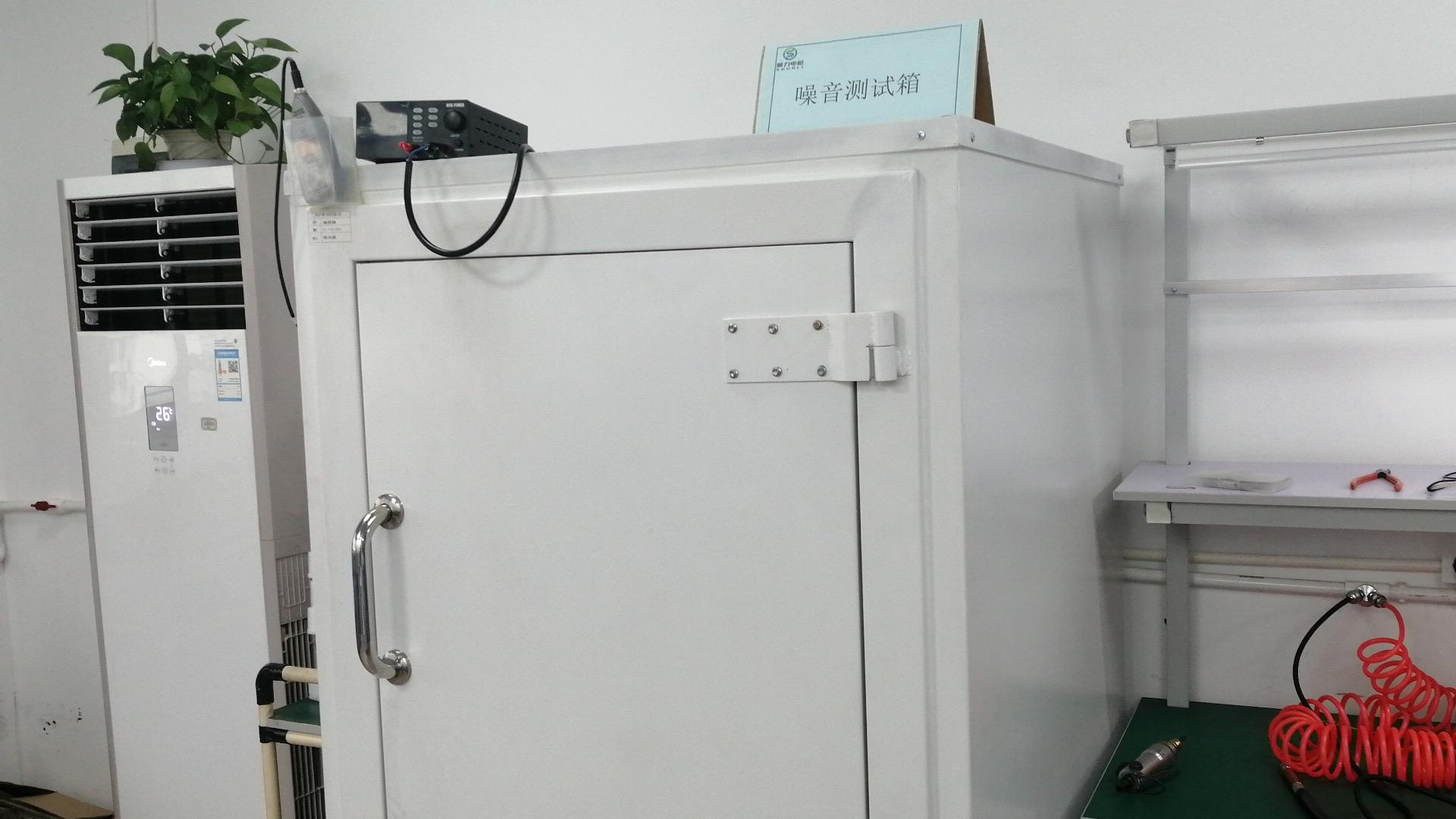
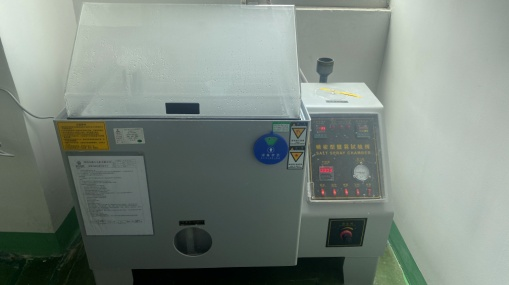
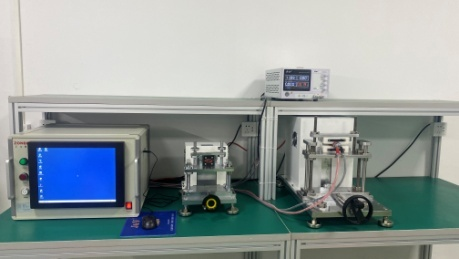
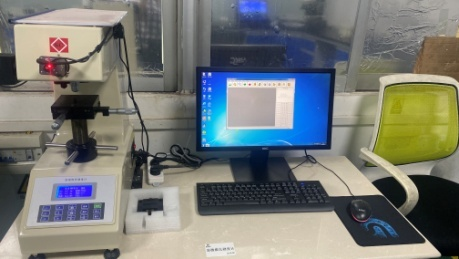
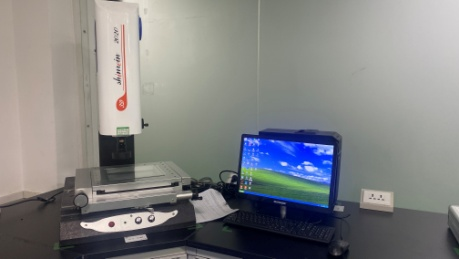
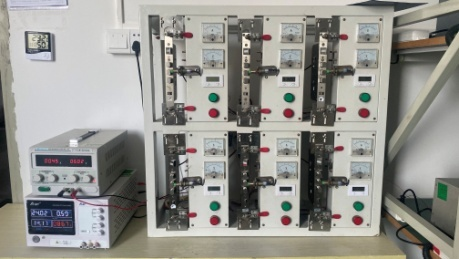
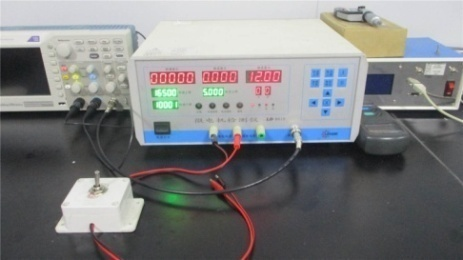
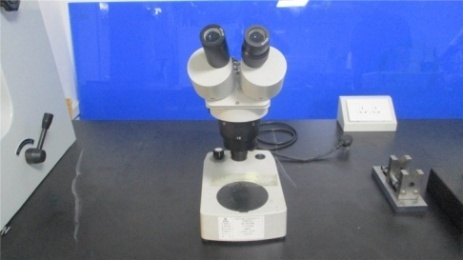
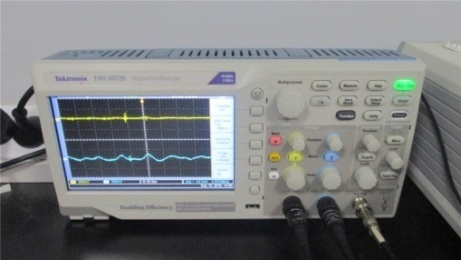
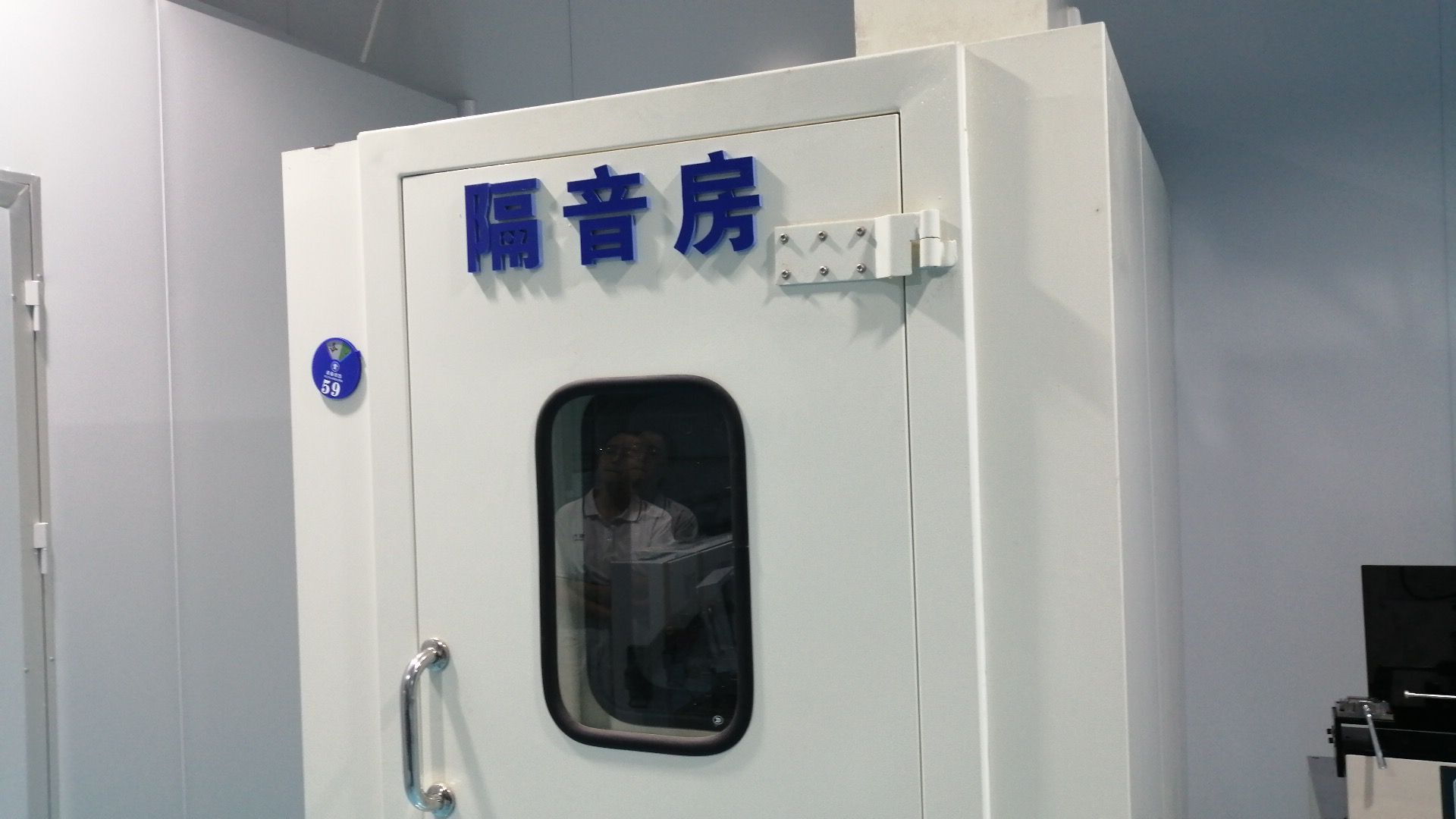
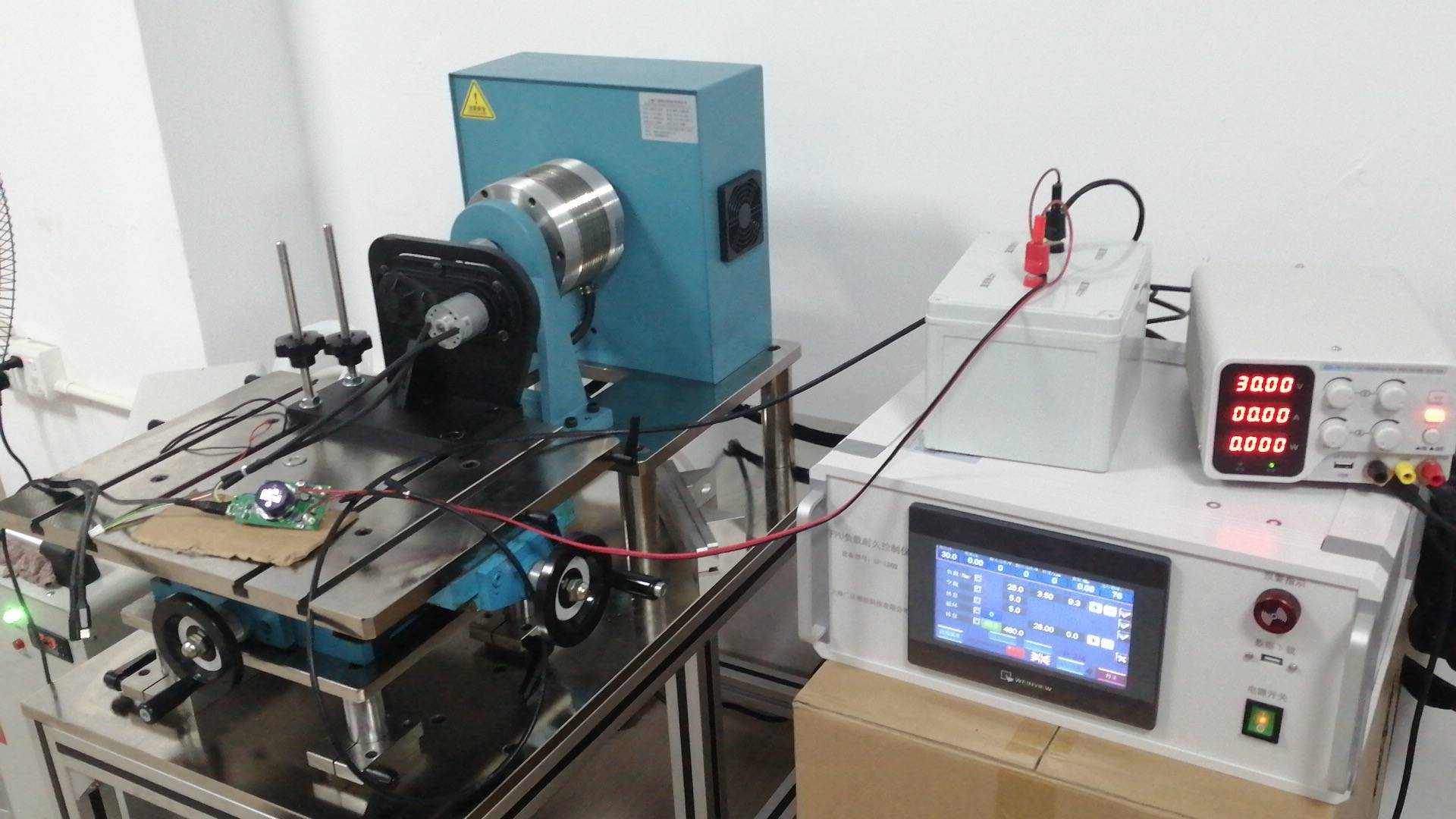
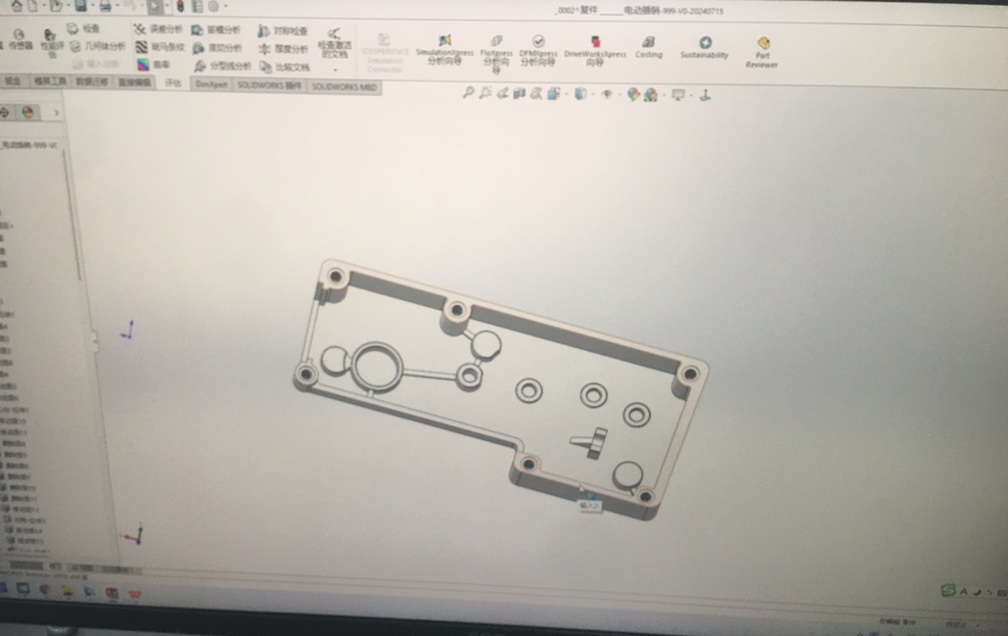
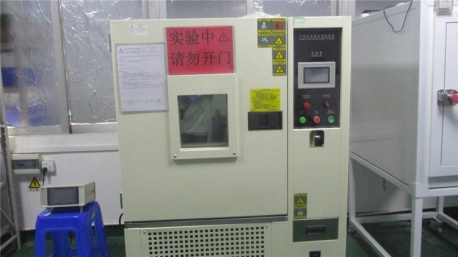
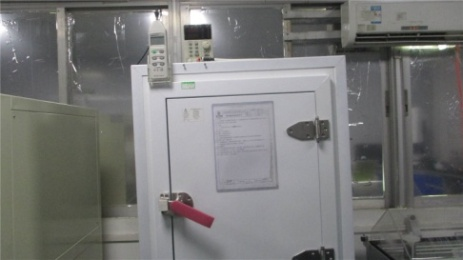
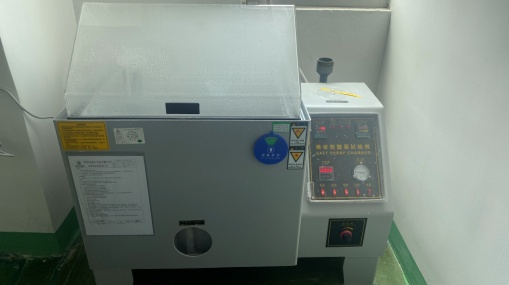
To qualify standard DC motors for high-reliability systems, Luv Motors implements a comprehensive test suite. In the Soundproof Room, we record acoustic profiles to confirm vibration levels stay within target limits. Standard specifications dictate sound pressure levels must not exceed 35 dBA at a distance of 30 cm. Measurements are taken across a range of input voltages to identify and eliminate potential resonance frequencies in the stator frame.
For environmental endurance, motors undergo testing in the Programmable Constant Temperature & Humidity Chamber. This test subjects the motors to temperature ranges of -40°C to +85°C at up to 95% relative humidity to verify stator insulation stability, winding integrity, and lubricant durability. Salt spray testing further confirms that corrosion-resistant coatings protect metal components from degradation over long-term field deployment.
Custom and standard micro-drive solutions tailored for major industrial, medical, and consumer segments.
Modern vehicles contain dozens of micro-drive motors. Operating HVAC air-damper flaps, mirror adjusters, and door-lock mechanisms requires 12V and 24V brushed DC gear motors that operate across extreme temperature cycles (-40°C to 125°C). Incorporating suppression capacitors and high-temperature wire insulation ensures compliance with automotive EMC directives.
Syringe drives, cosmetic dispensers, and medical peristaltic pumps require precise fluid displacement. Small planetary gearboxes integrated with slotless BLDC motors deliver smooth torque control at low RPMs. This design prevents pulsations, satisfying medical safety requirements and system operation targets.
Security lock assemblies demand high stall torque from compact form factors. Utilizing N20 or GM12 micro gear motors with a built-in slip clutch protects gear teeth during manual overrides. Low-power motor configurations help extend battery life in smart lock installations.
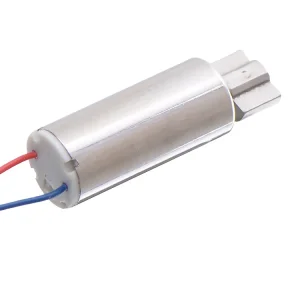
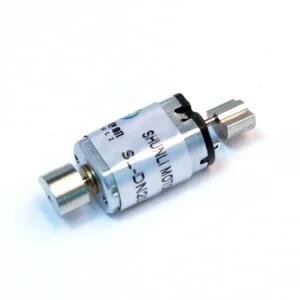
Coreless vibration motors are widely used in adult wellness devices, personal massagers, and haptic feedback gear. The design requires balancing eccentric rotating mass (ERM) with current draw. Standard 12mm vibration motors provide high vibration force while maintaining efficiency.
The micro motor industry is moving toward integrated mechatronic designs. Standard brushed DC motors are shifting toward brushless technologies, which replace mechanical carbon brushes with electronic commutation. This transition increases the operating lifetime of a typical 24mm motor from 1,500 hours to over 15,000 hours, while resolving electromagnetic compatibility (EMC) concerns.
Our research and development team is focusing on three main areas of micro-drive performance:
Detailed answers to key engineering and sourcing questions regarding micro DC gear motors and customized drives.
The optimal gear ratio balances required output torque against input motor speed, while factoring in the efficiency losses of each gear stage. Planetary gearboxes typically lose 10% to 15% efficiency per reduction stage. Choosing a multi-stage gearbox reduces speed to increase torque, but output torque must remain within the maximum limit of the gear train to prevent tooth shear.
Precious metal brushes (gold, silver, or platinum alloys) offer low electrical resistance and minimal noise, making them suitable for low-voltage, high-efficiency applications like medical pumps. Carbon brushes handle higher electrical currents and starting loads, and they are typically used in automotive actuators and industrial valves operating on 12V or 24V lines.
Elevated temperatures increase copper winding resistance, which decreases starting current and reduces stall torque. Prolonged thermal exposure can also demagnetize neodymium magnets. To counter this, Luv Motors uses Class H wire insulation, rated up to 180°C, and selects magnet grades with high thermal stability to prevent performance loss.
Because carbon and metal brushes generate electrical arcing during commutation, they can introduce EMI to surrounding electronics. To address this, we integrate suppression components, such as ring varistors (which absorb high-voltage transients) and small decoupling capacitors, into the motor endcap to help systems meet FCC and CE Class B standards.
Yes, standard micro DC motors can be sealed to meet IP67 or IP68 standards. This process requires O-ring seals, epoxy potting around terminal leads, and dynamic shaft seals. The housing and front endcap can also be fabricated from stainless steel (e.g., SUS303 or SUS304) to prevent corrosion in marine or food processing environments.
We control gearbox backlash by maintaining tight tolerances on gear profiles, using precision hobbing machinery, and selecting stable materials. For high-precision applications like robotics, we offer custom gear trains with backlash restricted to less than 1.5 degrees, ensuring accurate positioning under bi-directional loads.
Iron-core motors place copper windings inside slots on an iron lamination rotor, which provides high heat dissipation and high torque capacity. Coreless (hollow cup) motors use a self-supporting, basket-wound copper coil as the rotor. This design eliminates cogging torque and reduces rotor inertia, allowing for rapid response and smooth low-speed rotation.
Compliance is verified by analyzing raw materials at receipt and tracking batches through production. Components like gearboxes, lead wires, and rotors undergo third-party testing (e.g., via SGS or TÜV) to confirm concentrations of restricted substances remain below limits. Test reports are archived to support customer compliance documentation.
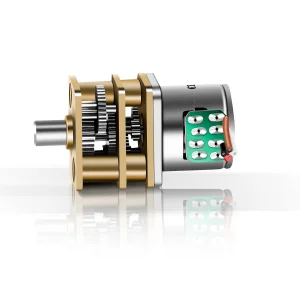
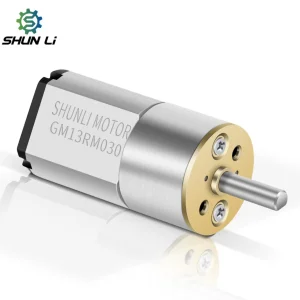
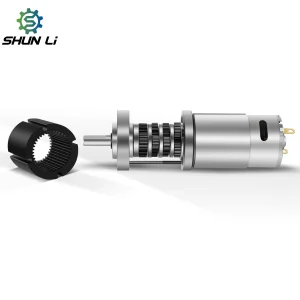
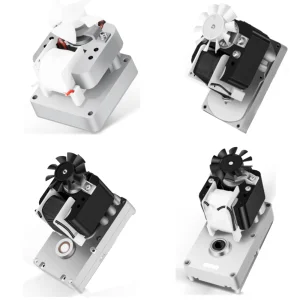
Browse our planetary gearheads, miniature stepper systems, and specialty AC motors built for high durability.
 Luv Motors