Luv Motors: Top Quality & Custom Micro Drives Direct from Factory
Established in 2006, Luv Motors is a certified High-Tech China manufacturer specializing in high-performance Micro DC Motors, DC Gear Motors, and Brushless Motors (BLDC).
We deliver Top Quality through ISO9001-certified automated production and 100% Customization through our dedicated in-house engineering team. From smart home devices to automotive electronics, we provide global OEM buyers and distributors with reliable, low-noise, and high-torque micro-drive solutions direct from the source. Partner with Luv Motors today to get competitive factory pricing, rapid prototyping, and world-class B2B support.
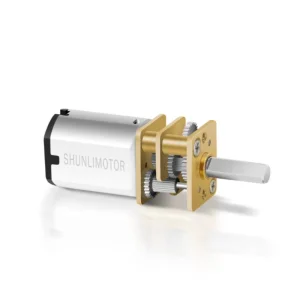
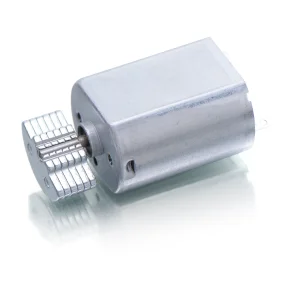
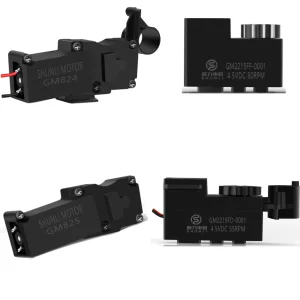
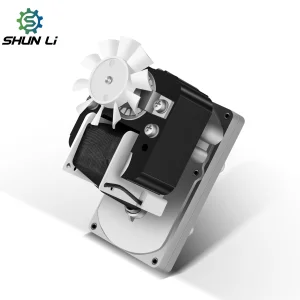
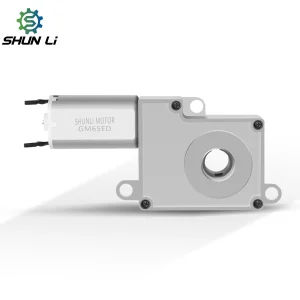
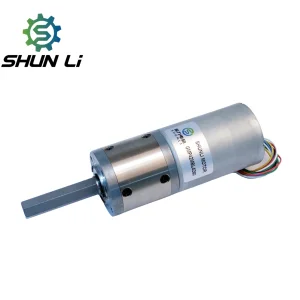
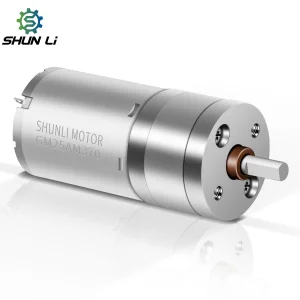
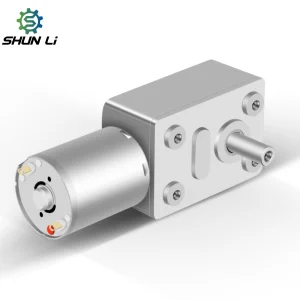
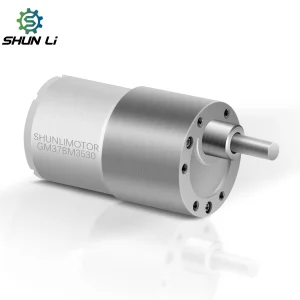
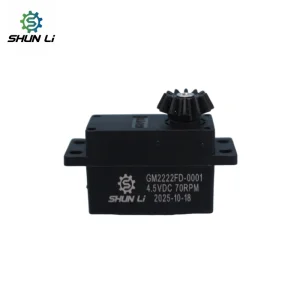
Explore our custom-engineered gearmotors, shaded pole variants, and high-vibration micro drives configured for high-efficiency operation.
An engineering deep dive into the electromagnetic design, torque optimization, and mechanical interfaces of modern micro drives.
DC Trimming Motors are highly specialized actuators designed for applications requiring finite micro-adjustments, variable speed profiles, and reliable torque retention. Unlike standard continuous-rotation motors, a trimming motor must maintain precise shaft positioning under changing mechanical loads. This requires a unique coordination between the motor core (stator and rotor) and the integrated reduction gearbox.
To optimize performance, engineers evaluate parameters such as back-electromotive force (Back-EMF), winding resistance, and thermal dissipation. In precision grooming, medical surgical tools, and smart locks, the motor must supply instantaneous stall torque without undergoing rapid thermal deterioration. Our motors utilize high-density copper windings combined with high-grade permanent magnets to achieve an optimal torque-to-weight ratio.
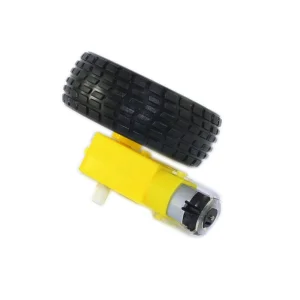
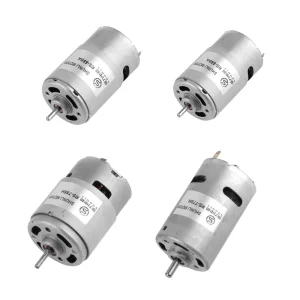
A primary consideration in micro drive engineering is selecting the rotor architecture. Traditional iron-core motors feature a slotted steel rotor wrapped in copper coils. While this design is robust and cost-effective for devices like electric toy cars (e.g., our SFF-130SA model), it is subject to "cogging torque" due to the magnetic attraction between the rotor slots and stator magnets. Cogging can restrict smooth rotational transitions at low speeds.
For applications where cogging must be eliminated, coreless DC motors offer a superior solution. By utilizing a self-supporting, skew-wound copper coil winding, coreless motors boast a lower rotor inertia and faster mechanical time constants. This allows for rapid acceleration and deceleration cycles, critical in robotic end-effectors and high-precision consumer electronics.
Go behind the scenes of Luv Motors' ISO9001-certified manufacturing ecosystem, where advanced automation meets stringent quality control.
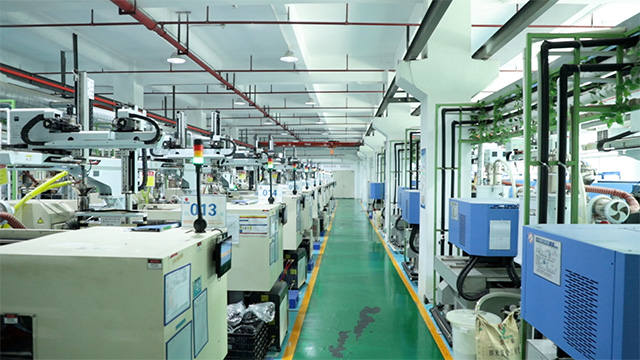
Advanced Assembly Line Operations

Optical & Mechanical Precision Auditing

High-Speed Automatic Armature Winding
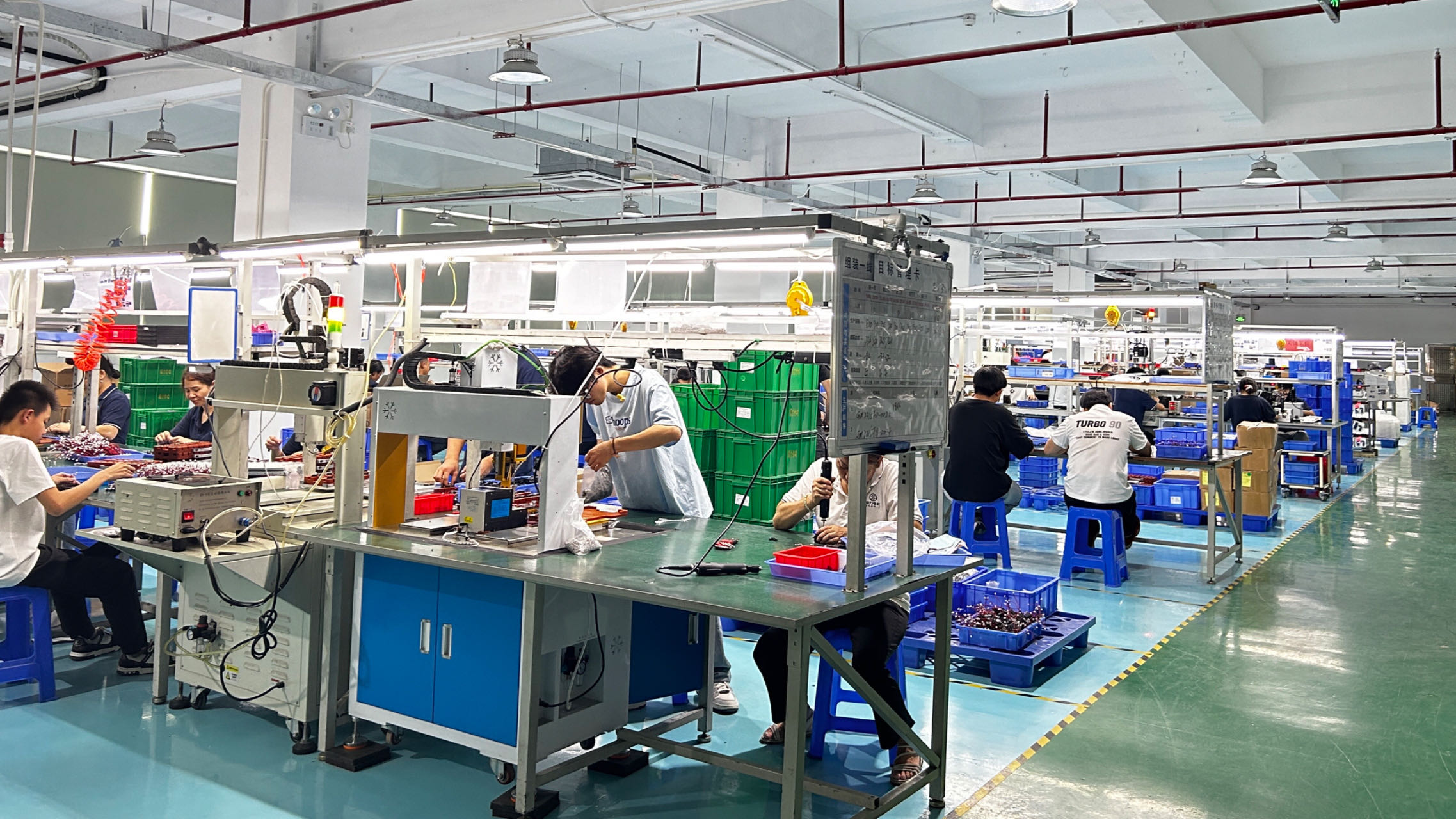
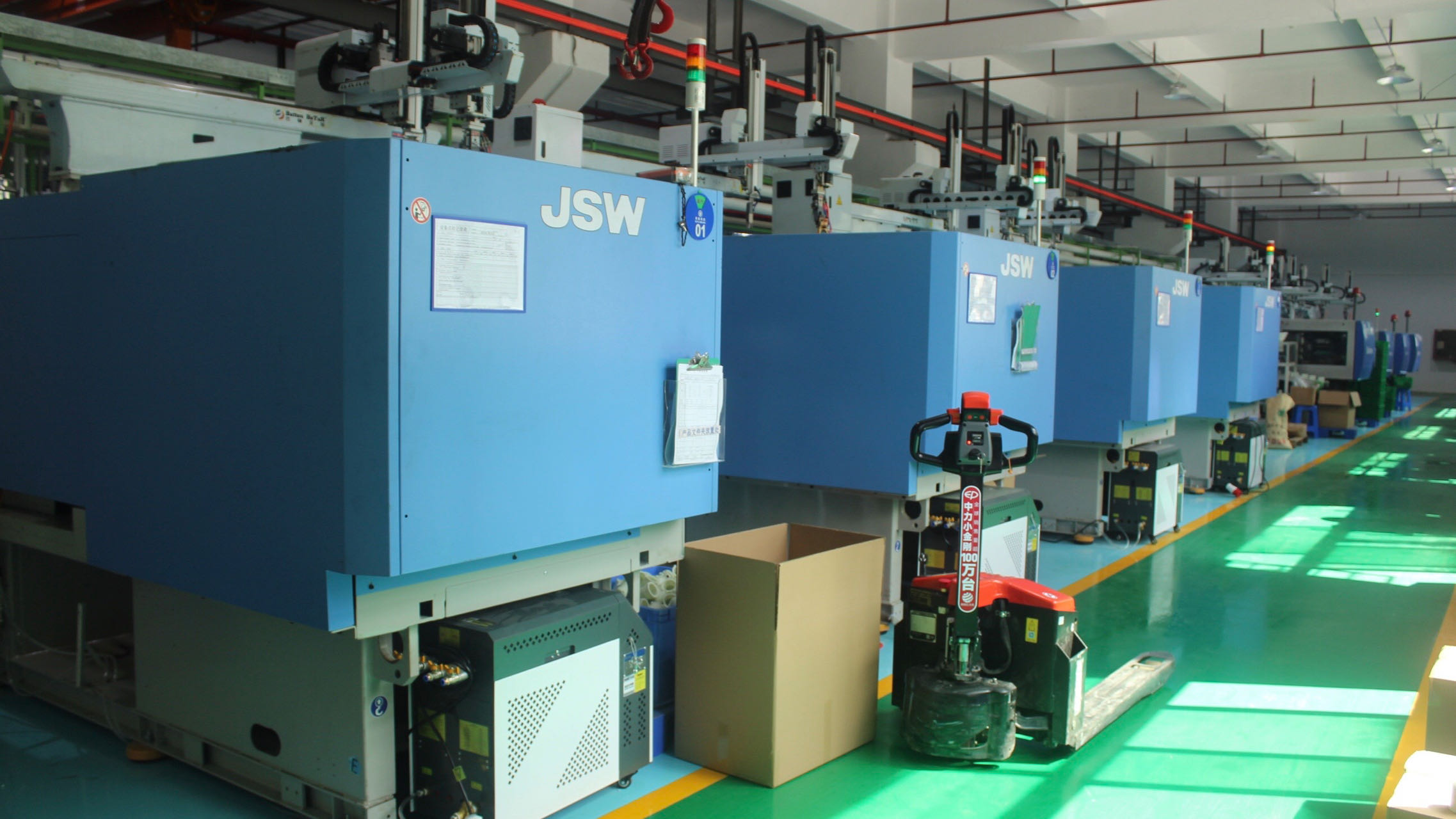
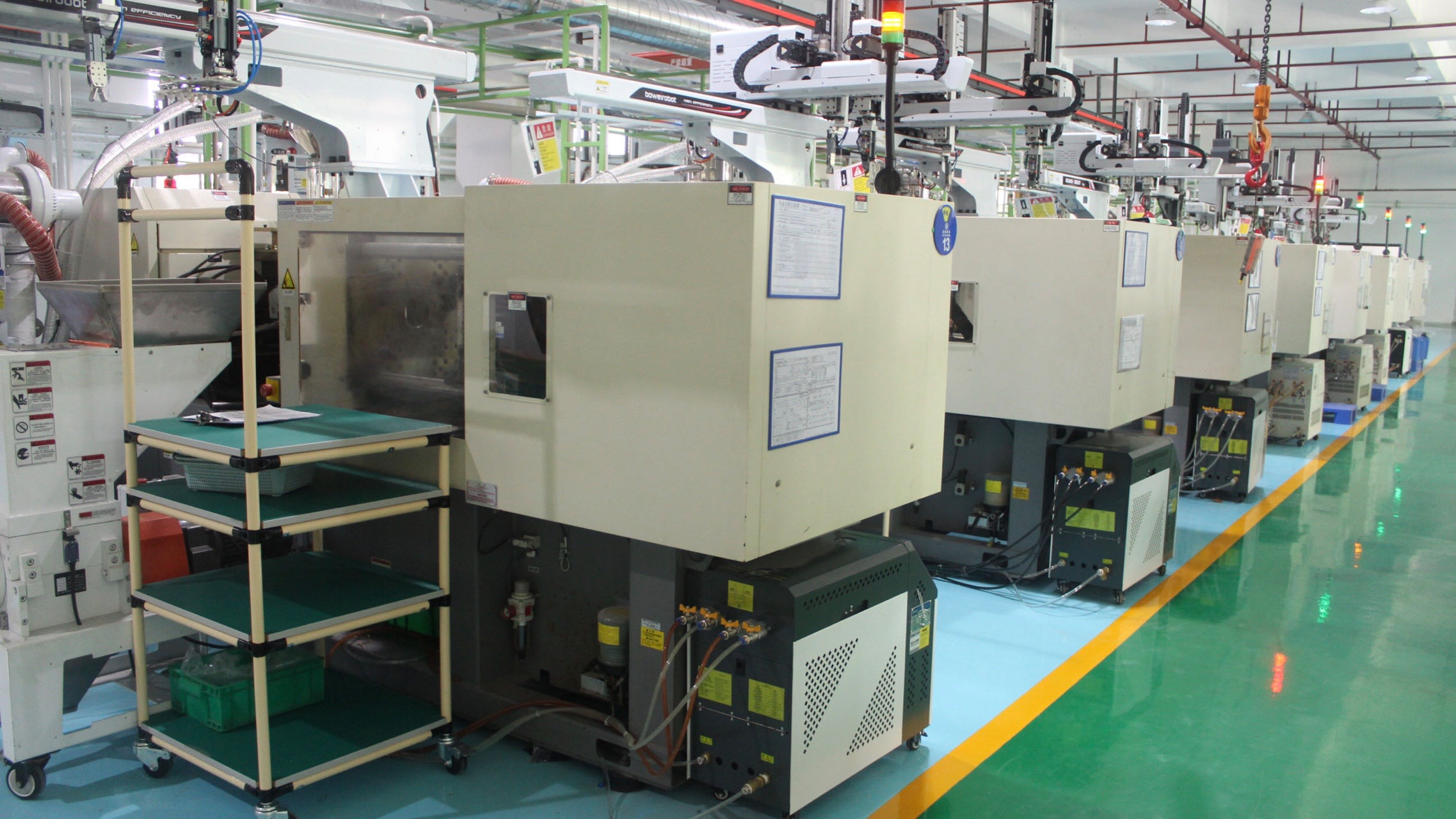
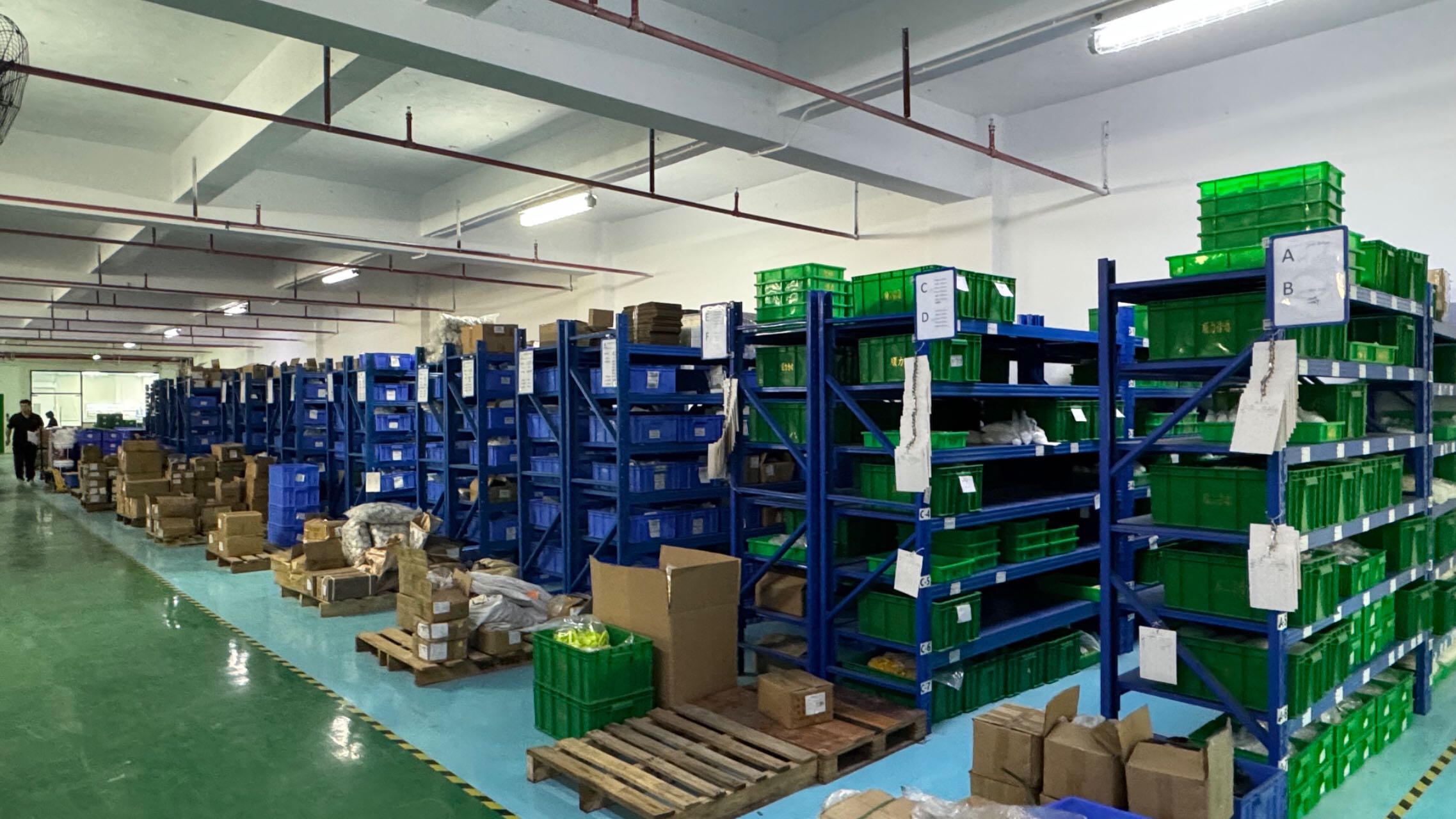
To maintain complete batch uniformity, Luv Motors implements a rigorous 6-step manufacturing workflow. Each process step is verified using automated test benches before proceeding to subsequent production stages.
 Raw Material
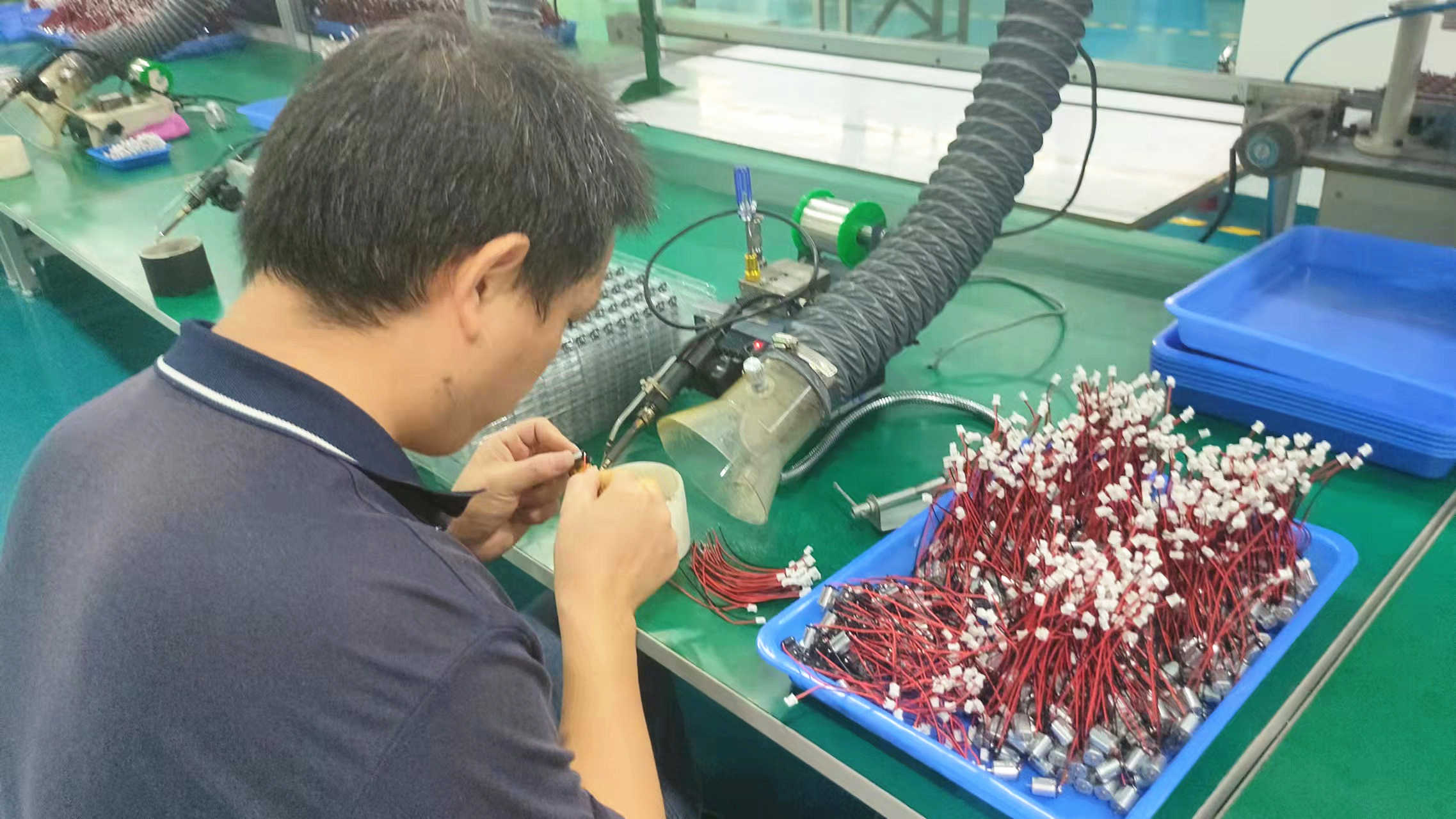 Soldering
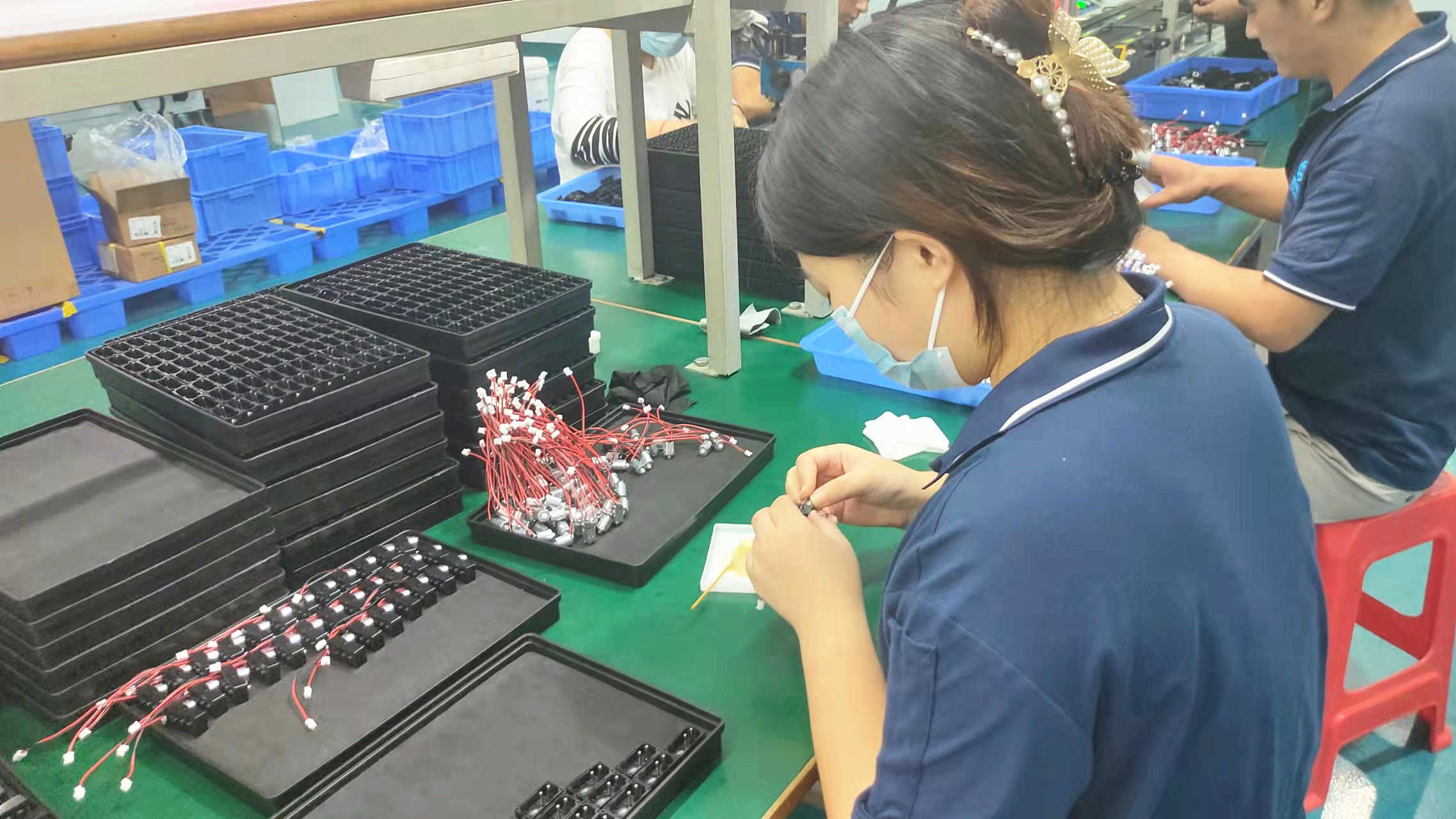 Assembling
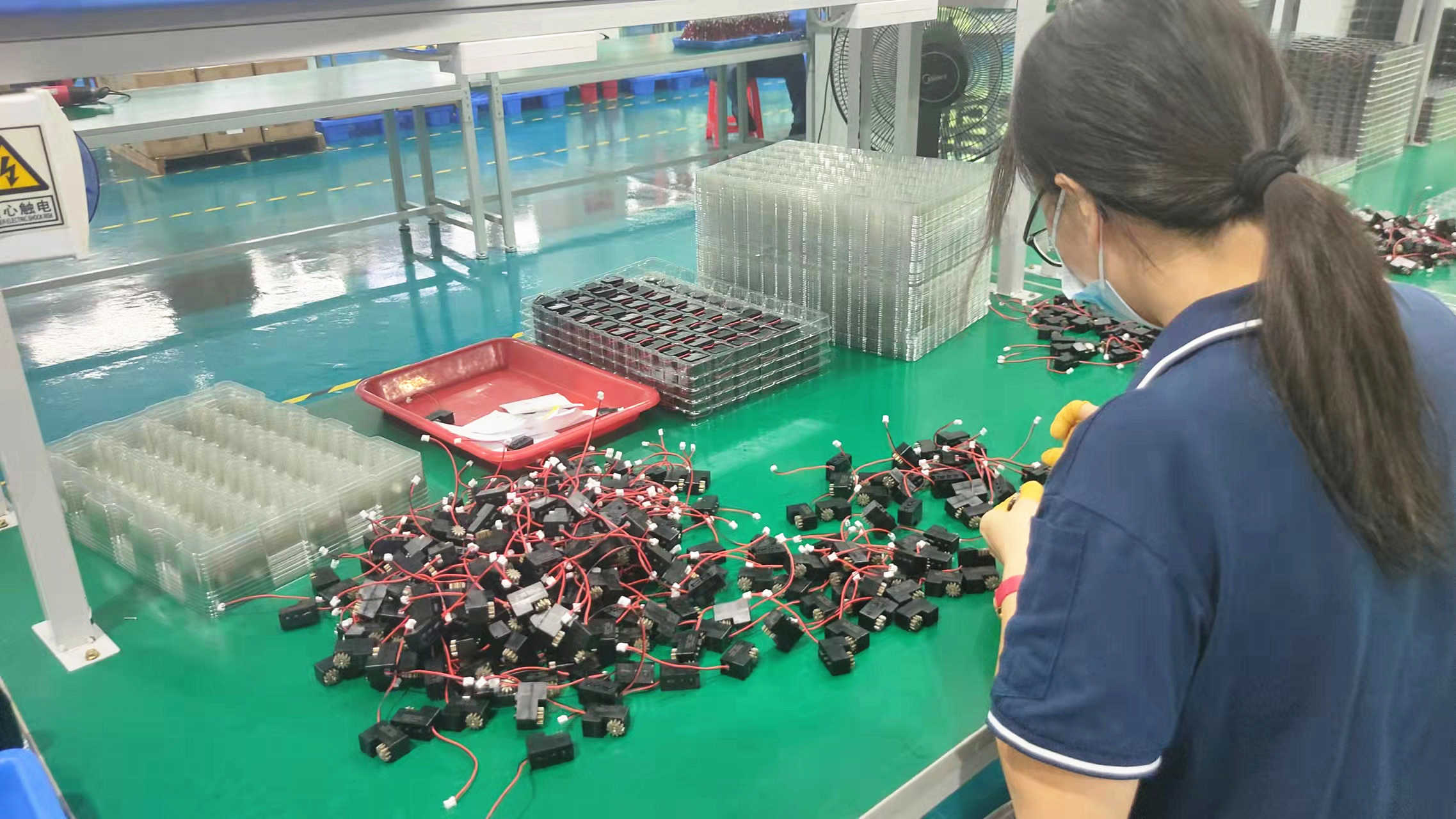 Testing
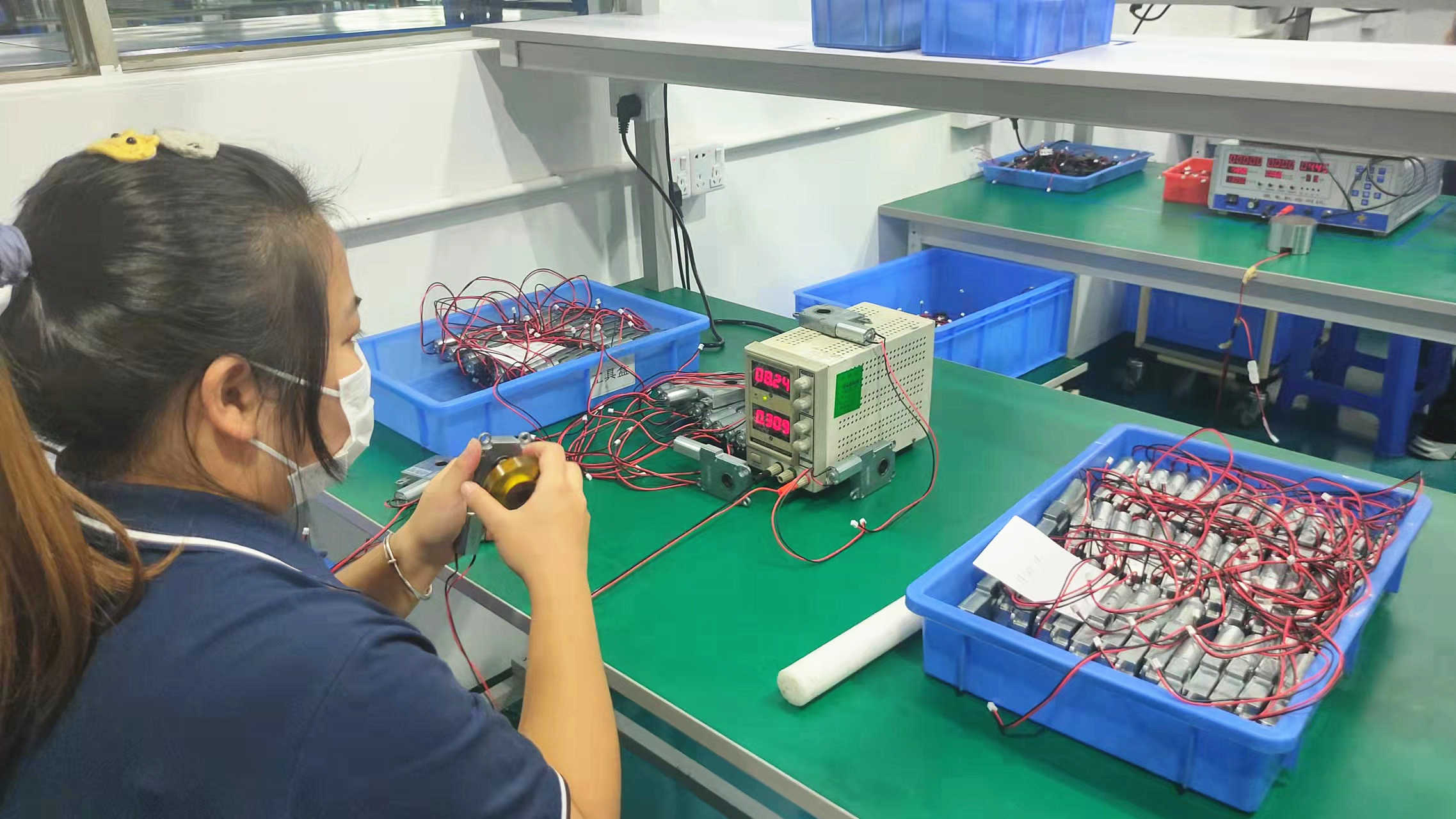 Packing
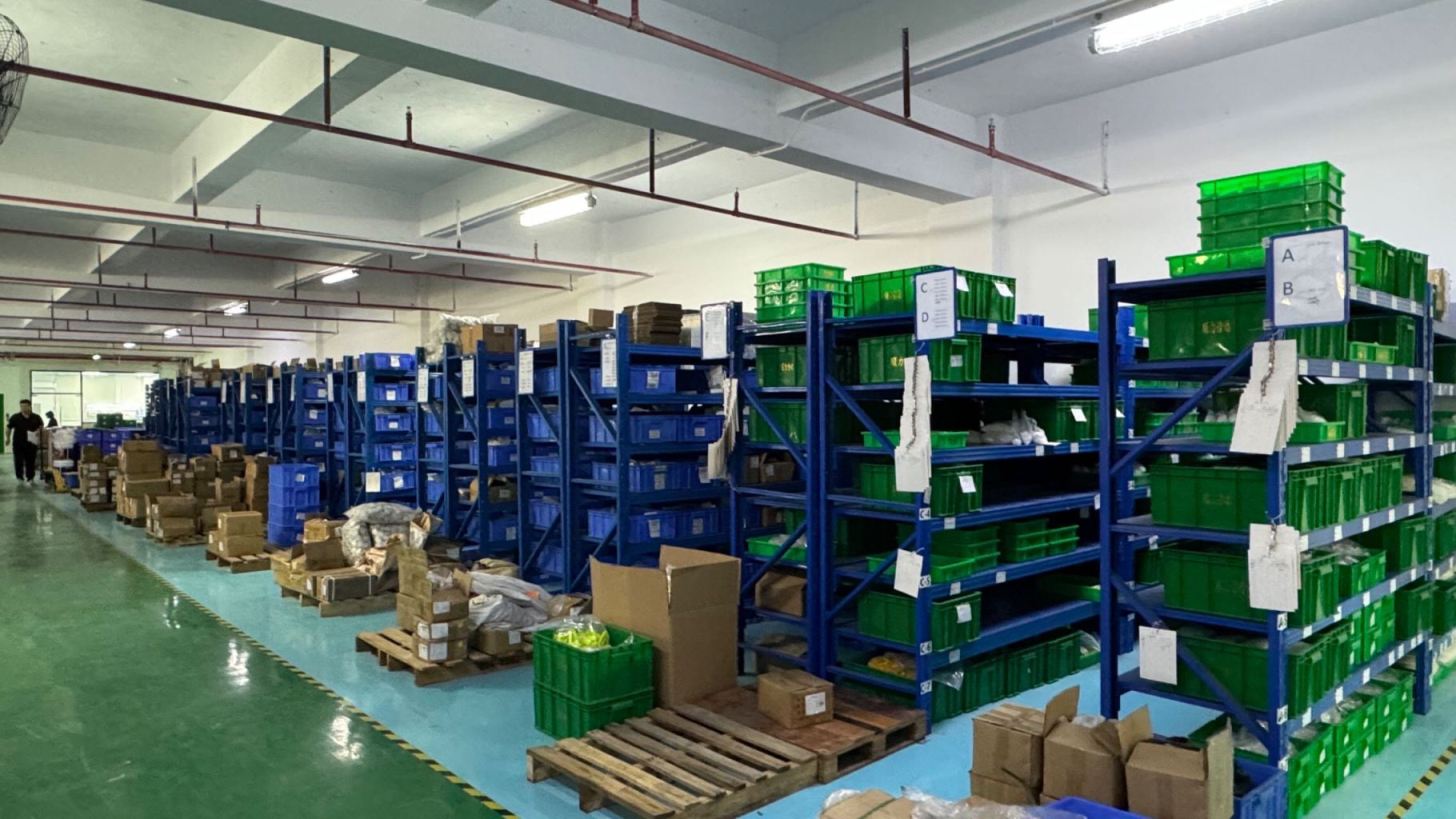 Storage
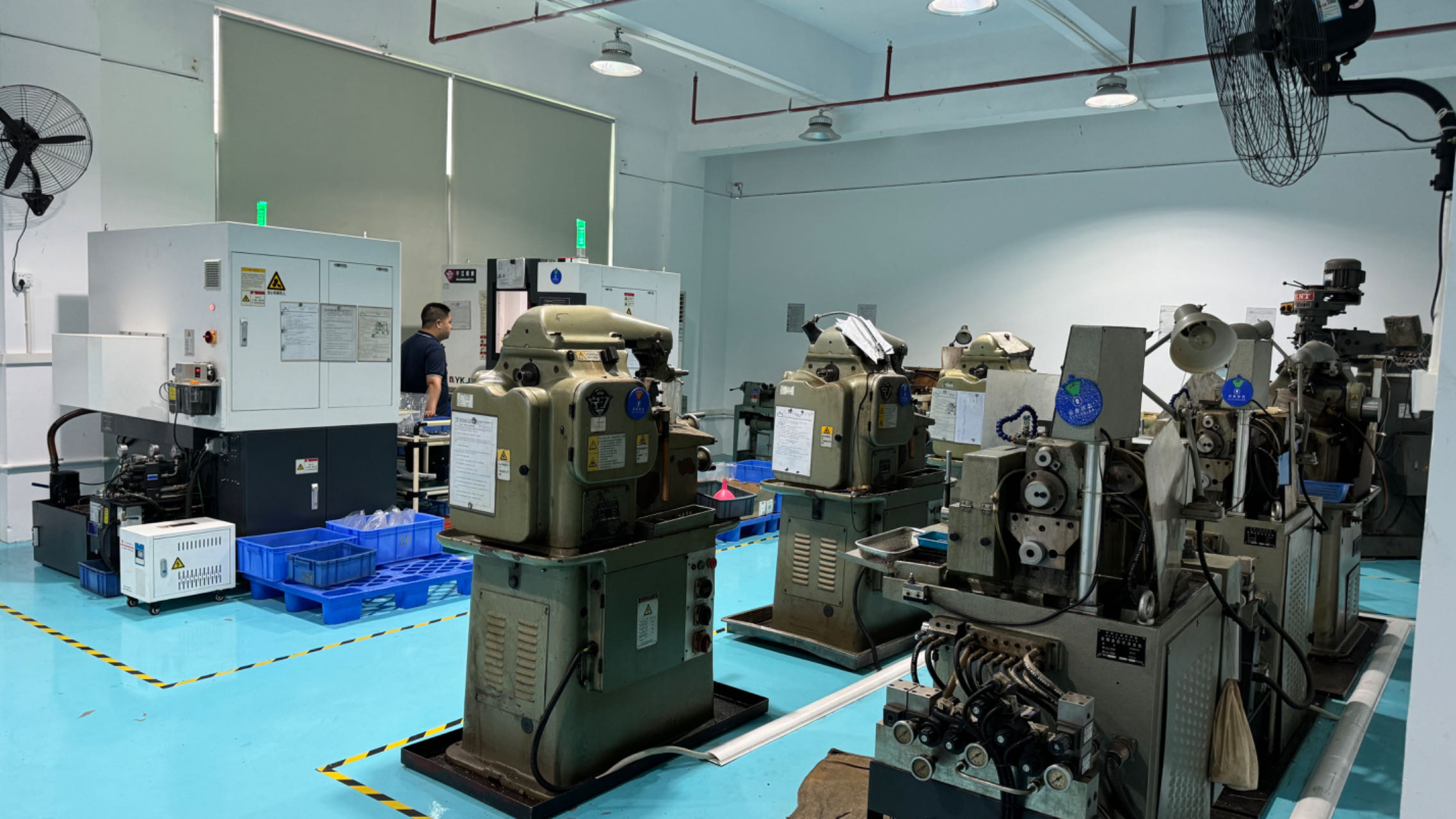
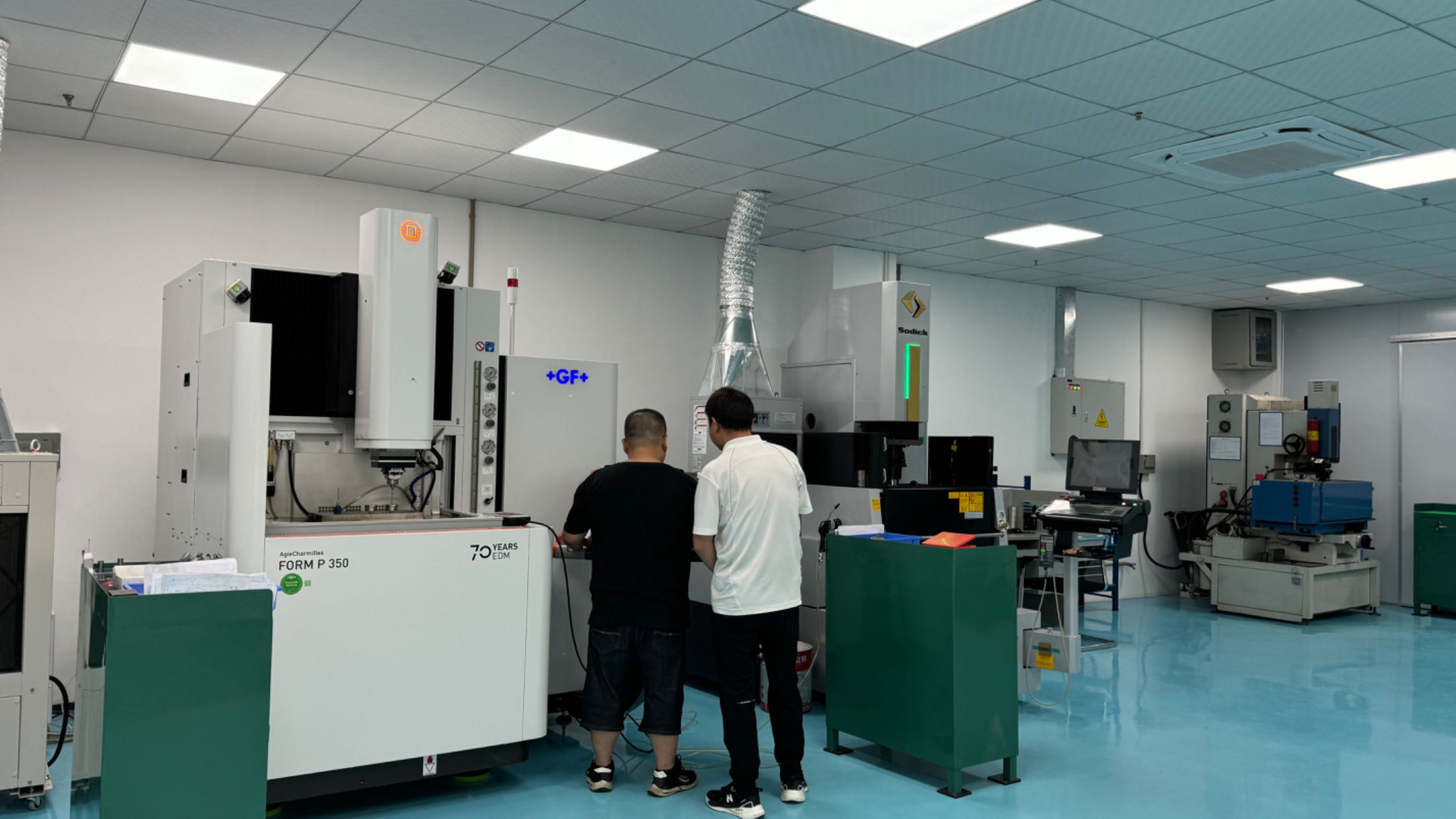
Our toolroom and machining bays are equipped with industry-leading machinery to manufacture high-tolerance micro gearboxes and complex shaft geometries down to ±0.002mm limits.
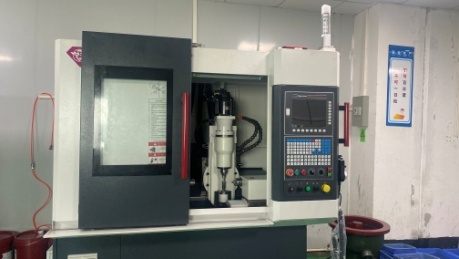
NINGJIANG MACHINE TOOL
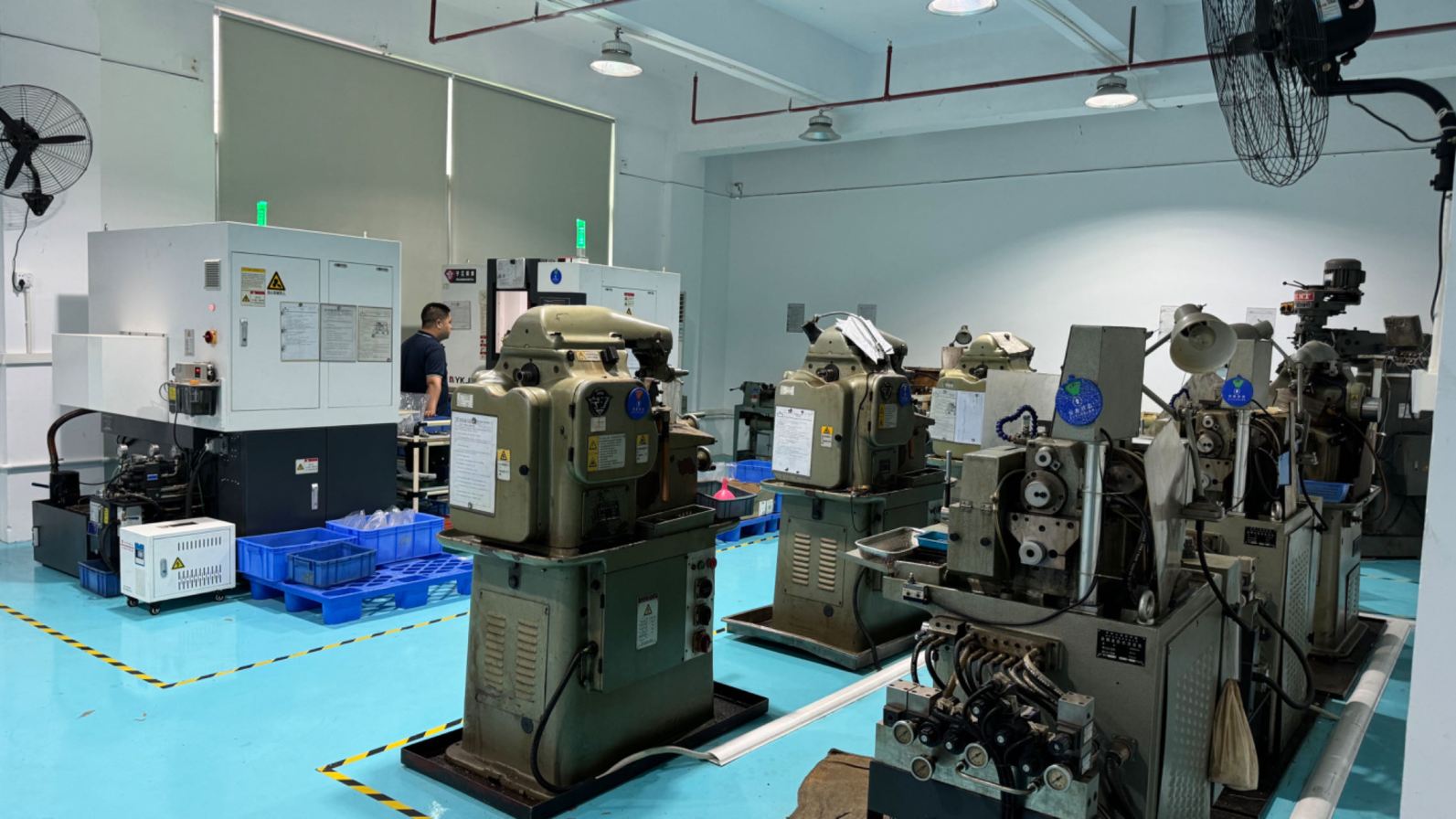
High Precision Horizontal Gear Hobbing Machine
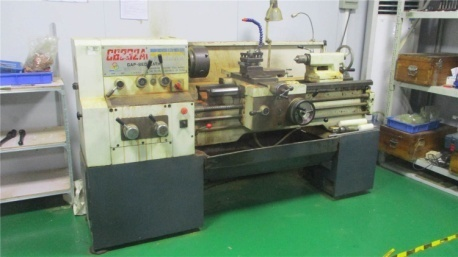
Lathing Machine
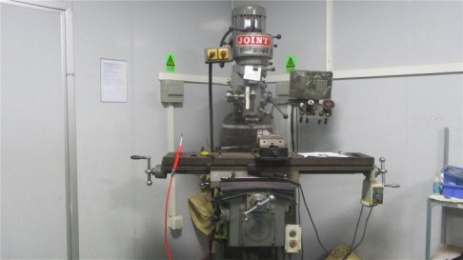
Milling Machine
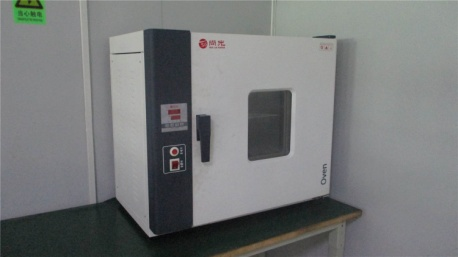
Drying Oven
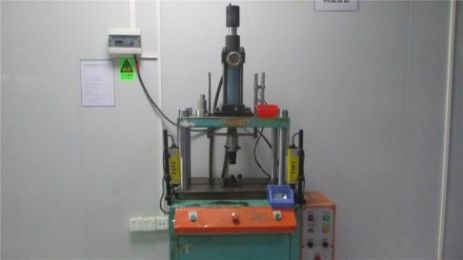
Automatic Gear Riveting Machine
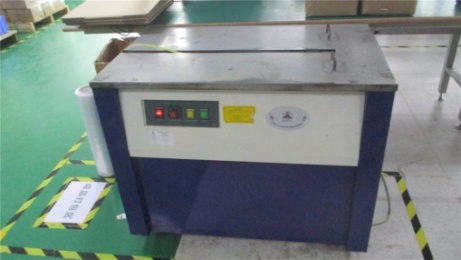
Packing Machine
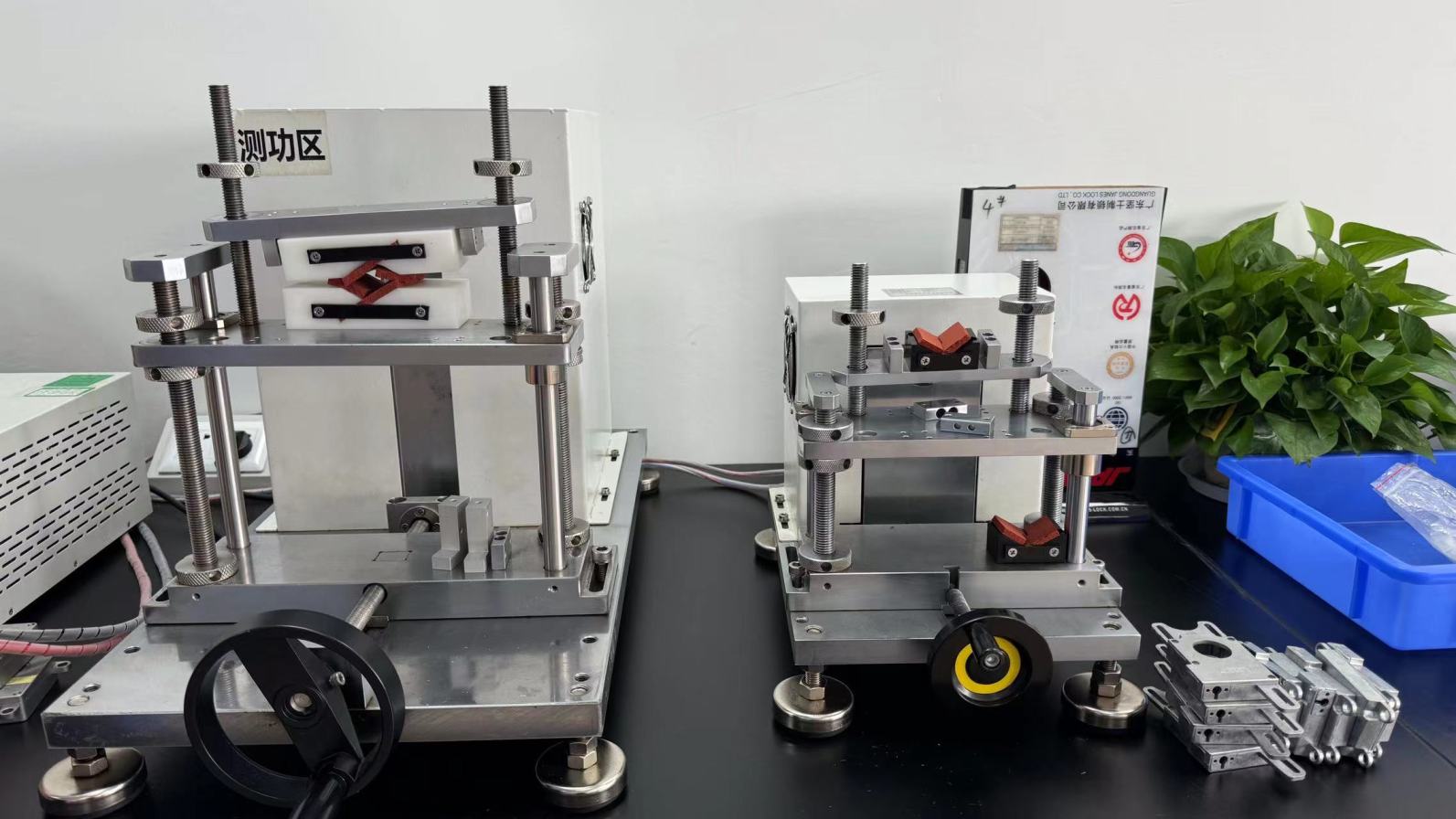
Pneumatic Pressing Machine
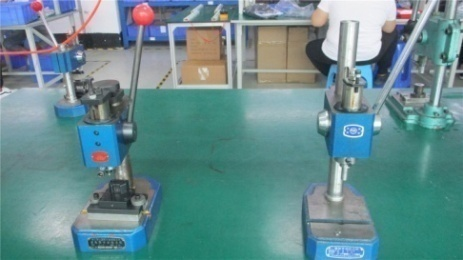
Manual Pressing Machine
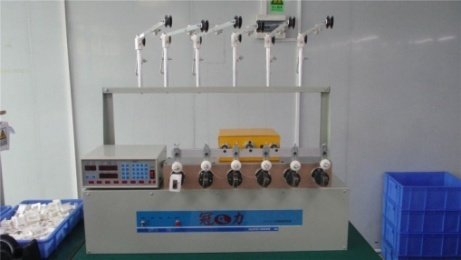
Computer Wire Winding Machine
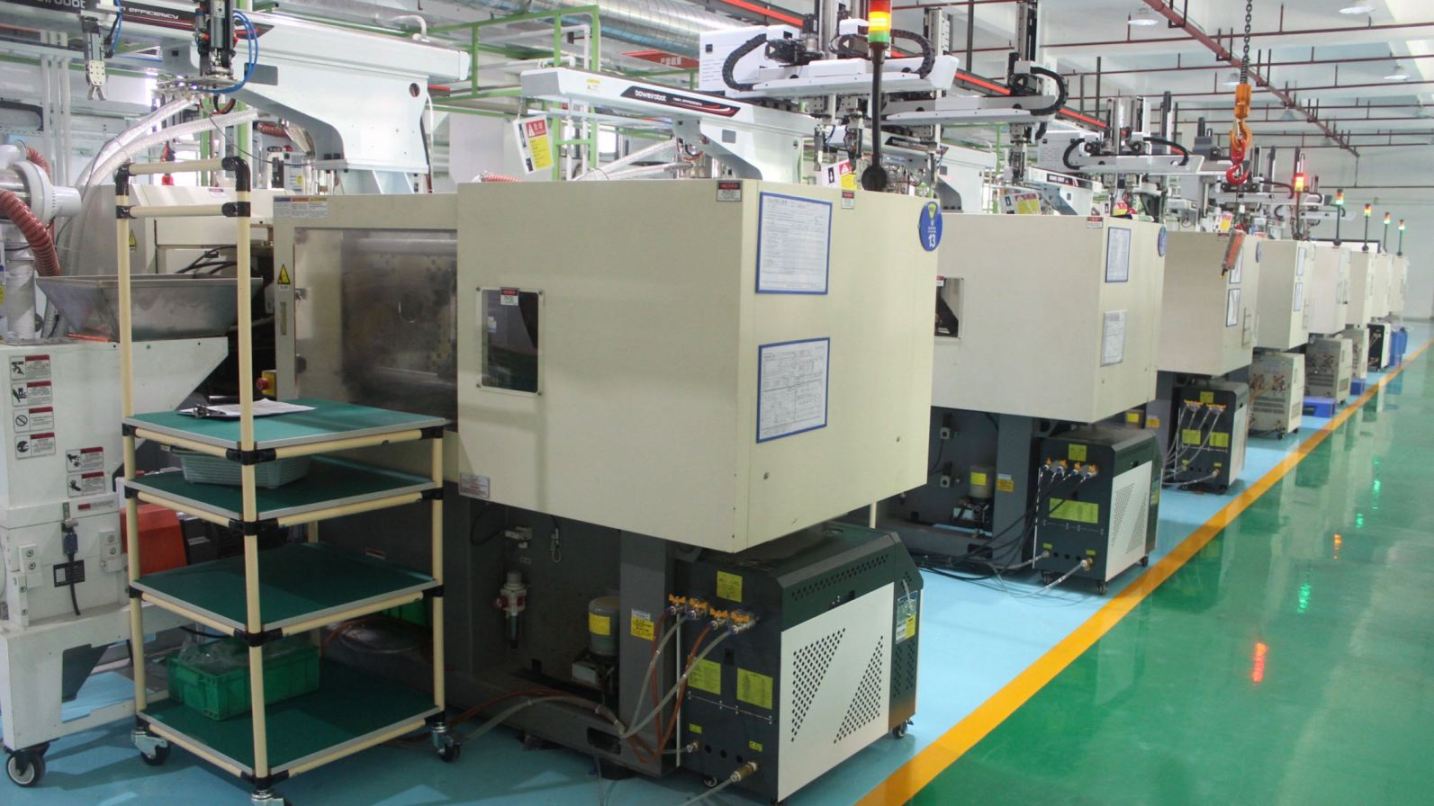
Injection Machine
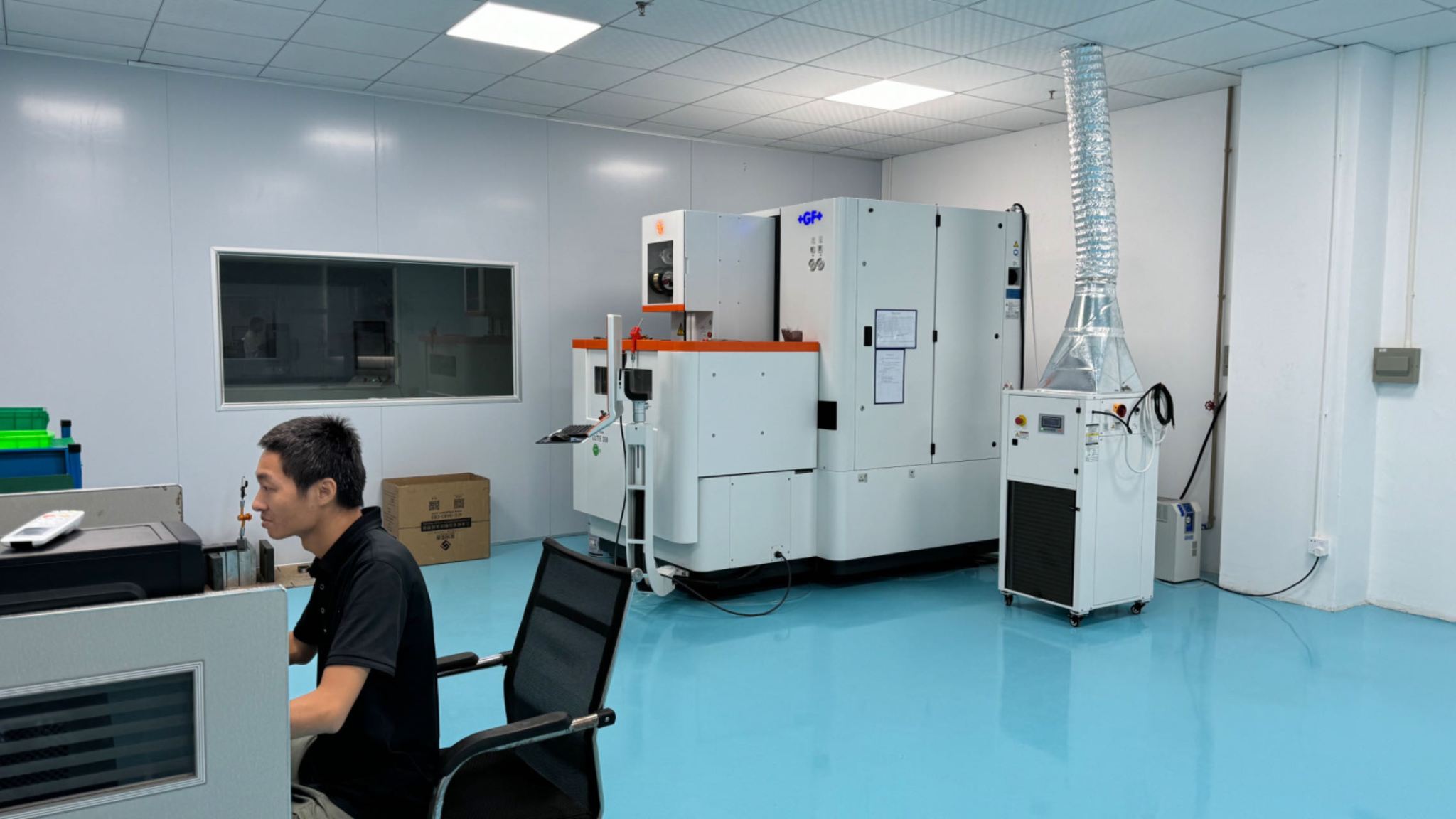
Slow-feeding NC wire-cut machine
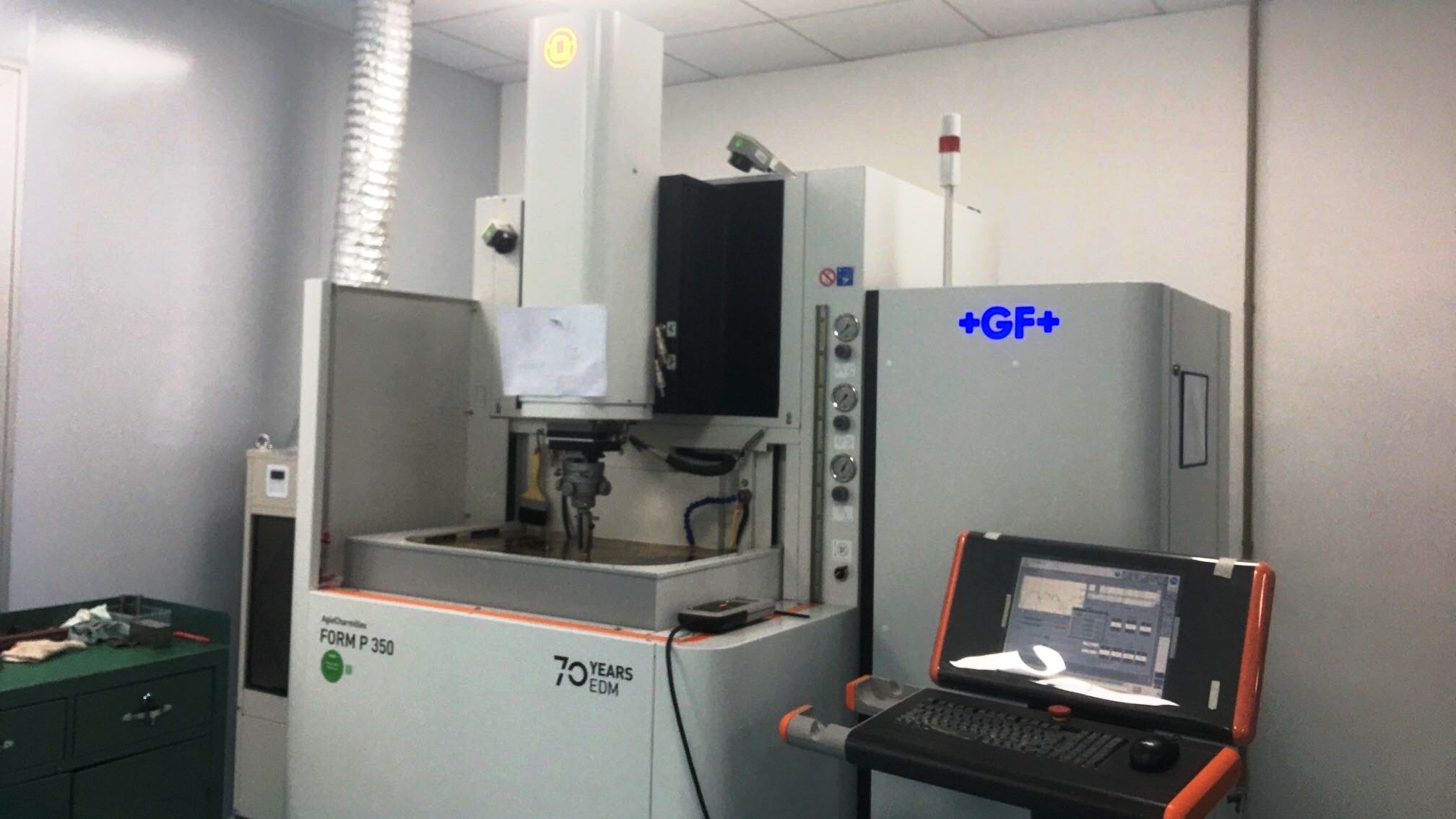
EDM
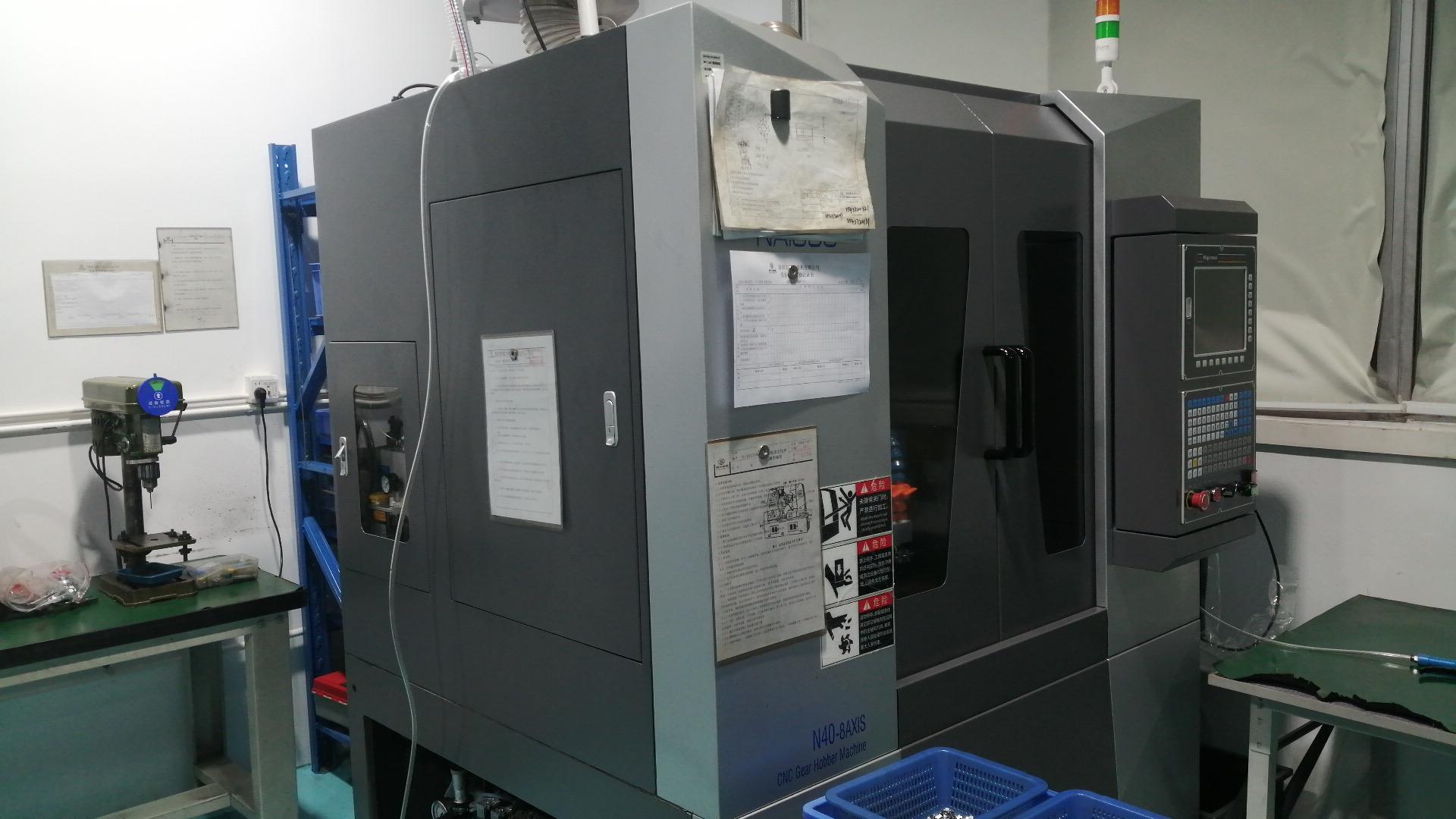
Hobbing Machine
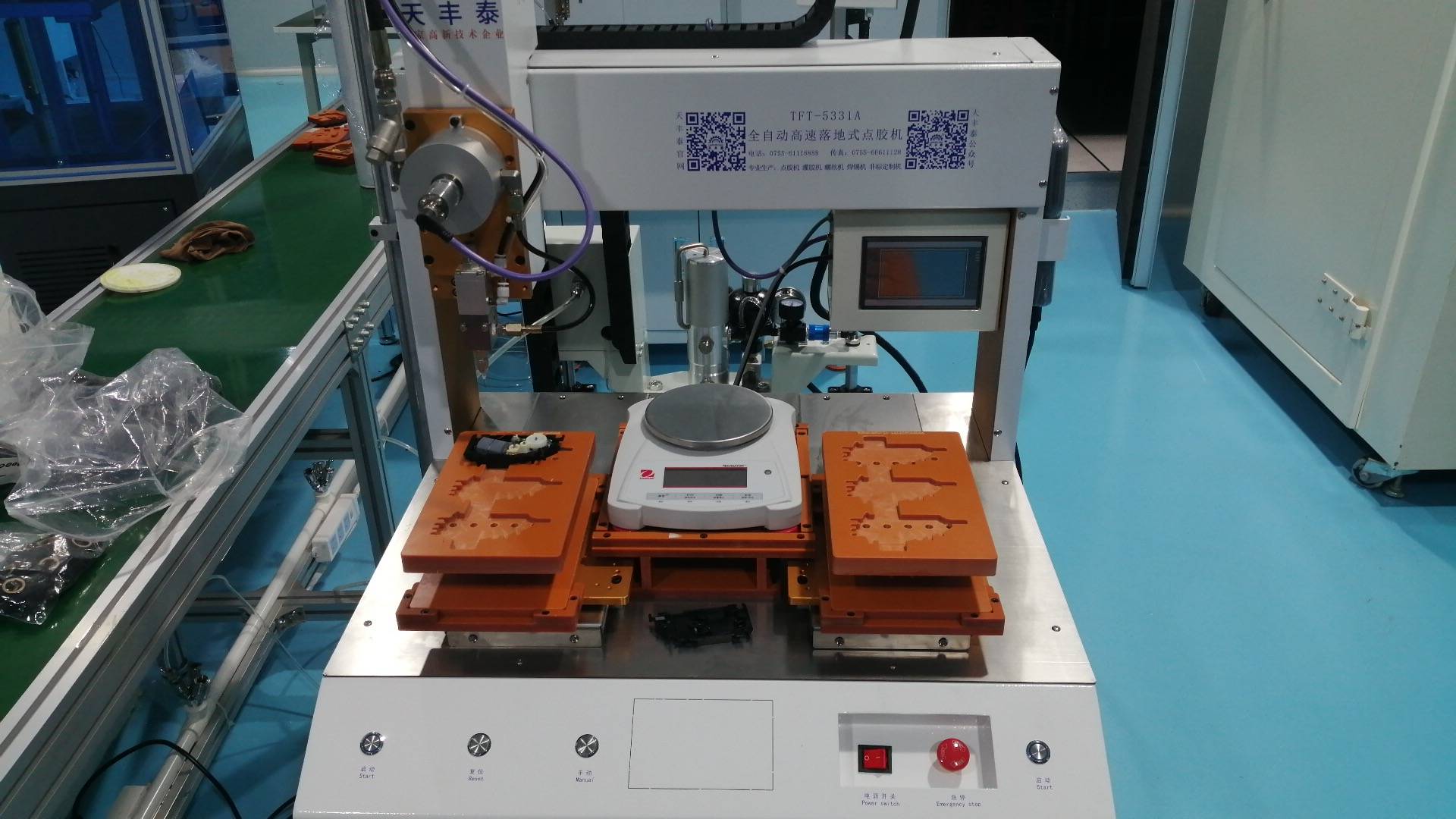
Glue Dispenser
To achieve CE status and support harsh-environment application conditions, every design configuration must pass strict testing parameters under simulated stress tests.
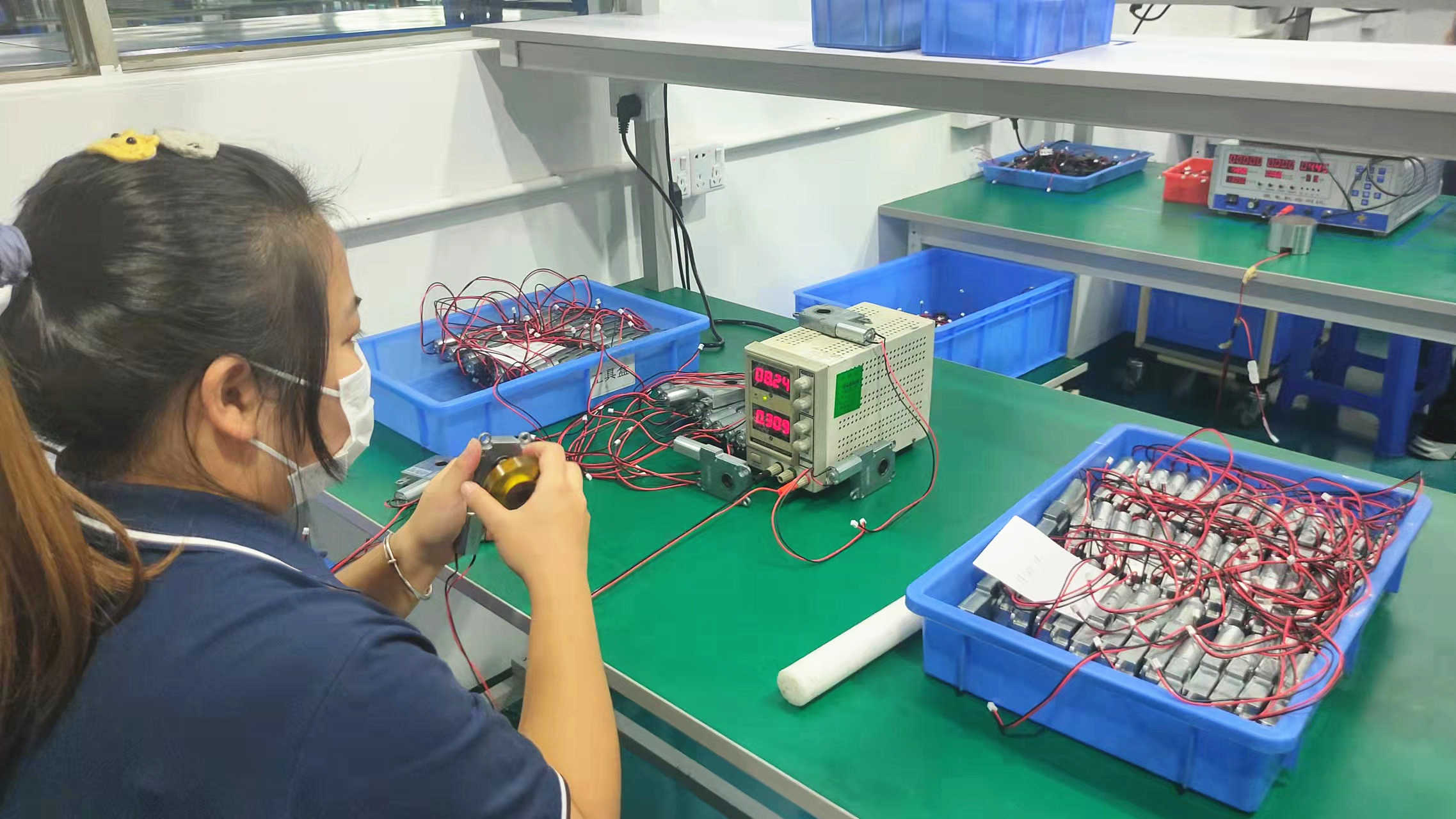
Qc Checking
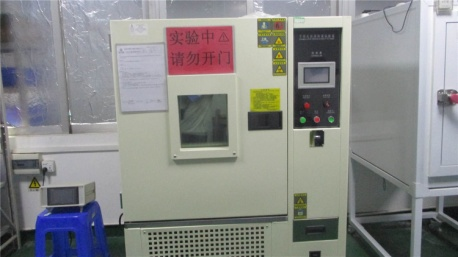
Programmable Constant Temp/Humidity Chamber
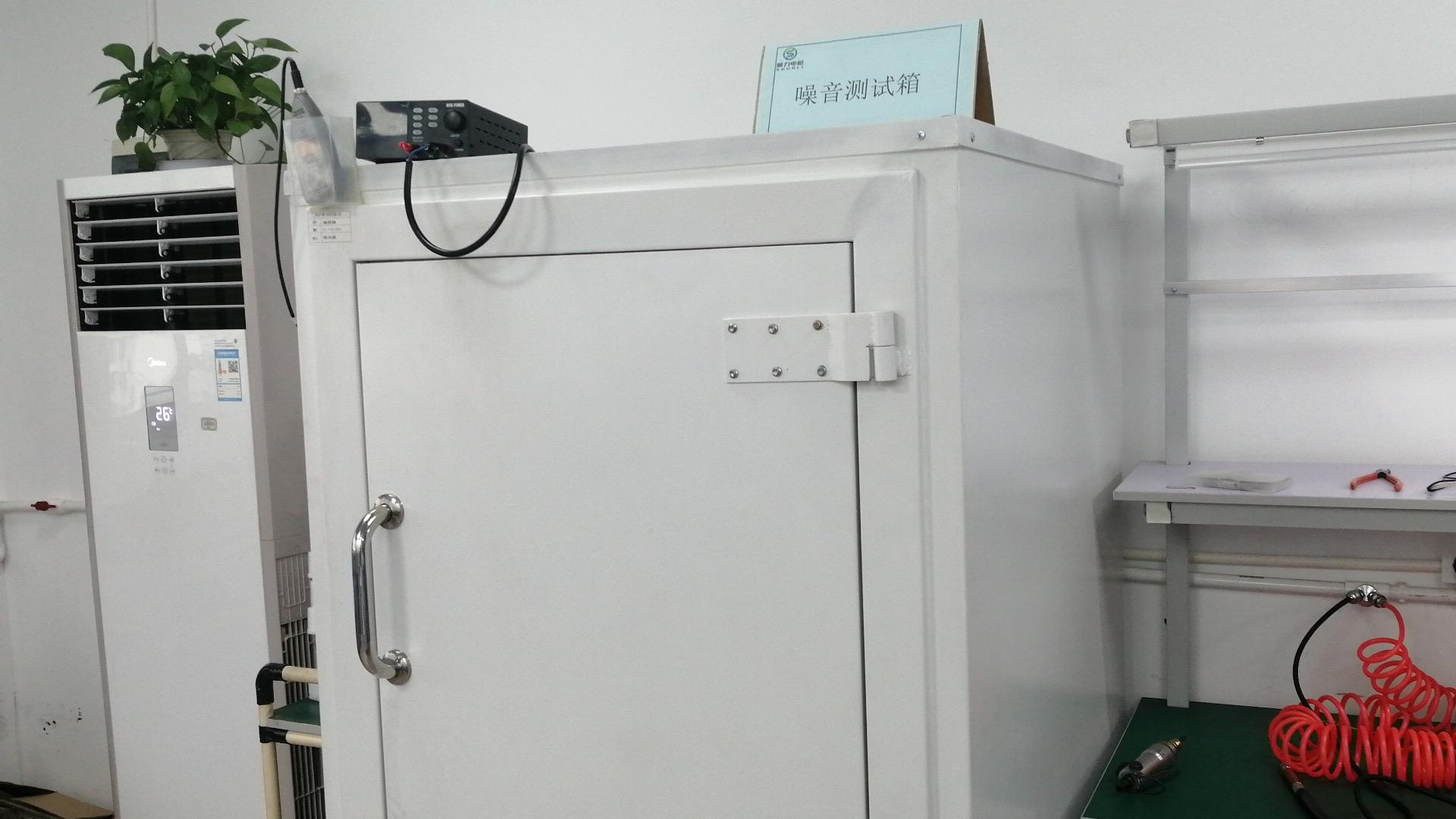
Noise Testing Chamber
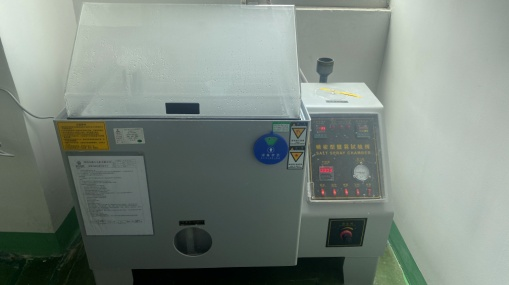
Salt Spray Testing Machine
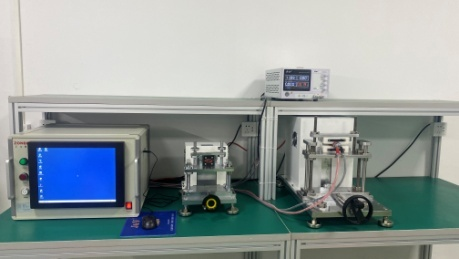
Dynamometer Machine
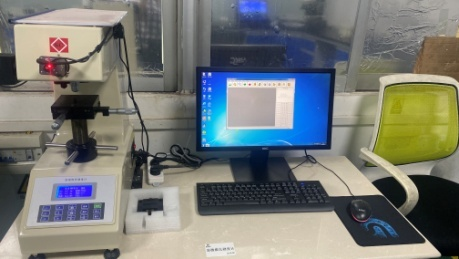
Hardness Tester
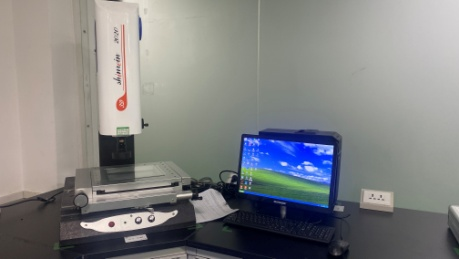
Video Measuring Instrument
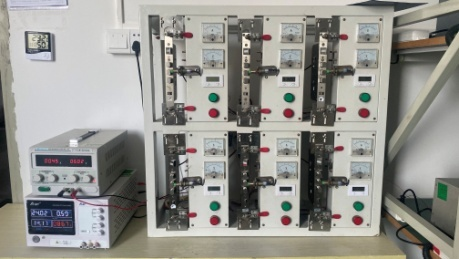
Aging Shelf
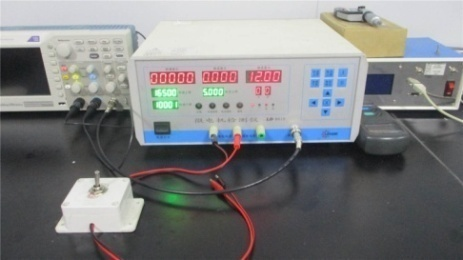
Motor Testing Machine
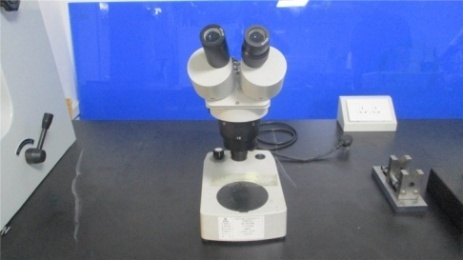
Microscope
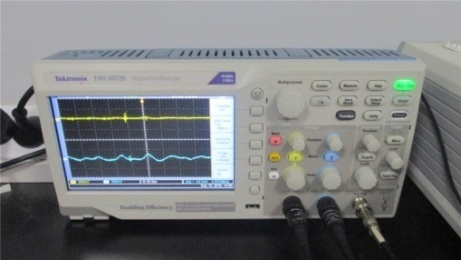
Digital Oscilloscope
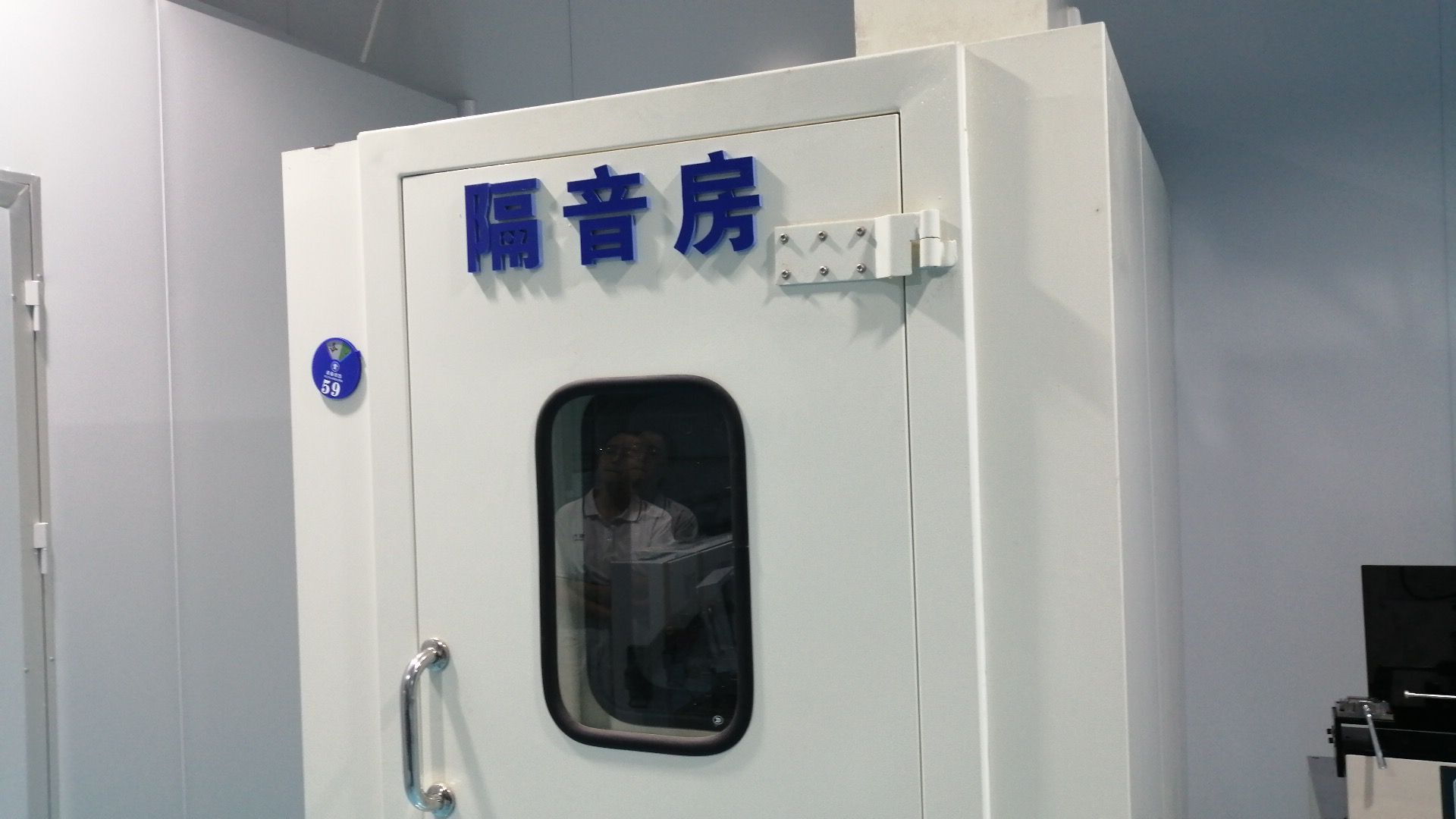
Soundproof Room
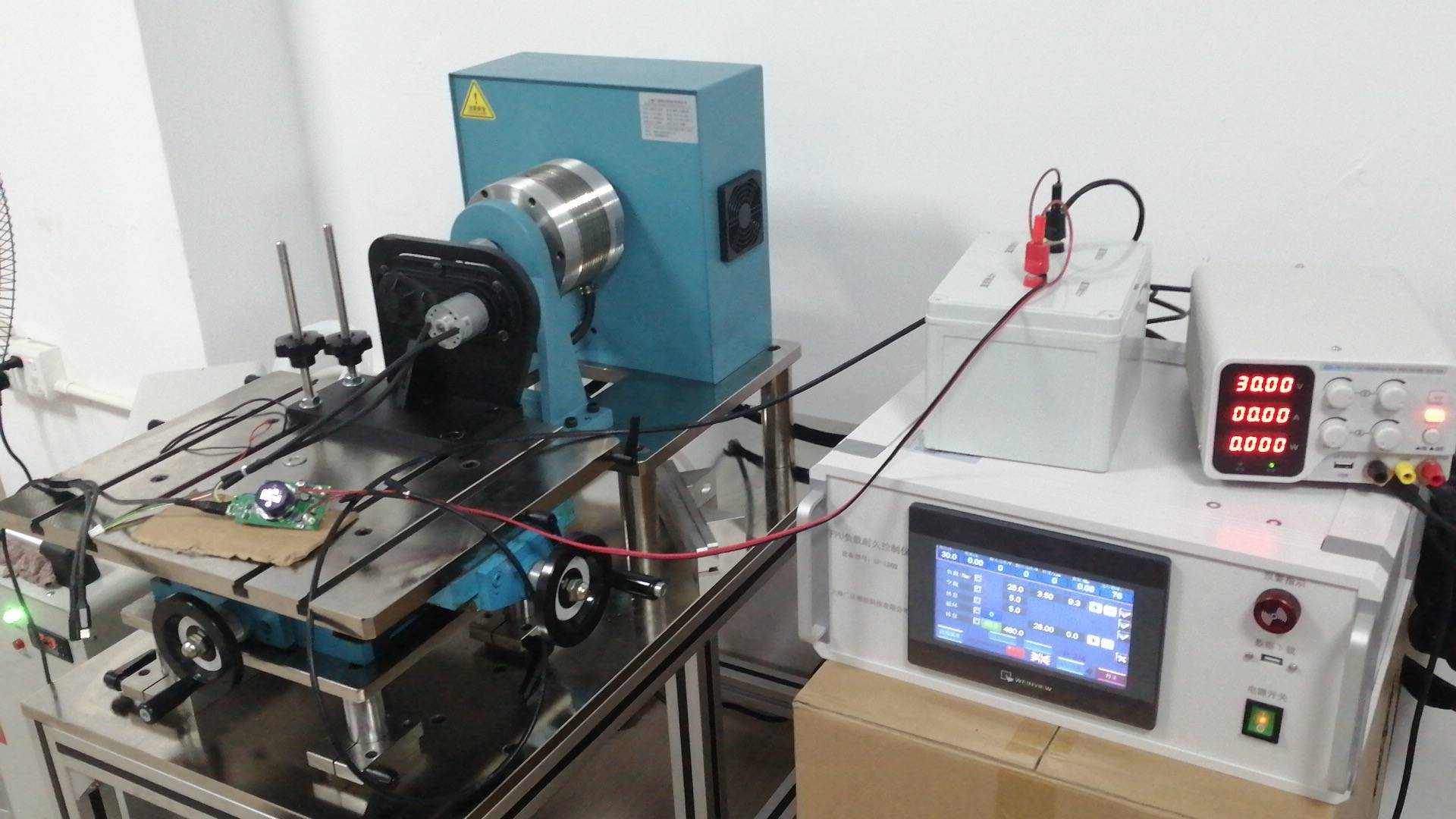
Magnetic Powder Testing Machine
Our CAD engineering department utilizes finite element analysis (FEA) to simulate electromagnetic distribution and gear mesh contact stresses prior to physical prototype development.
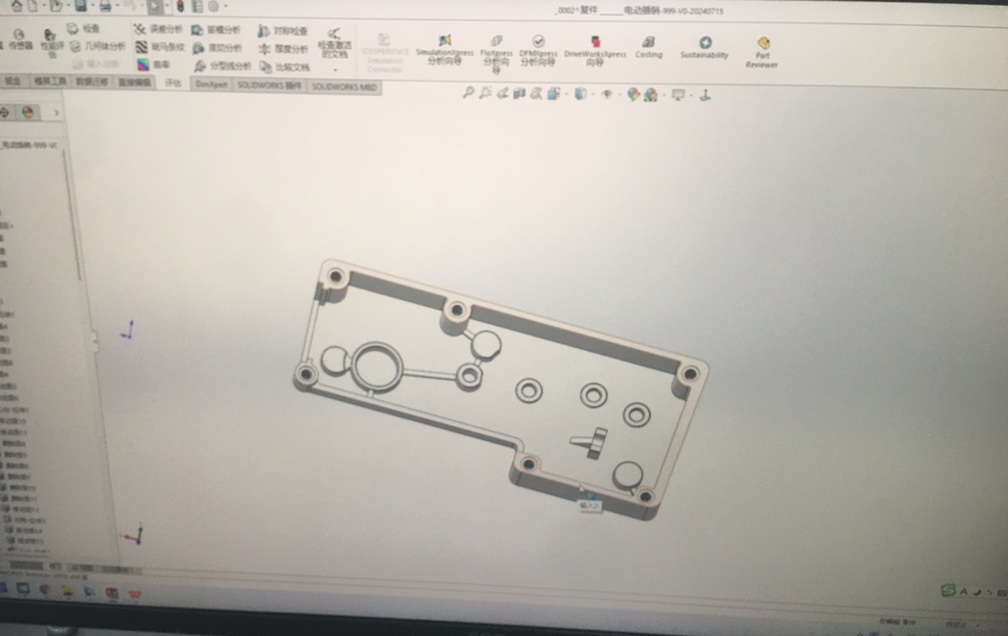
CAD Modeling and Mechanical Design
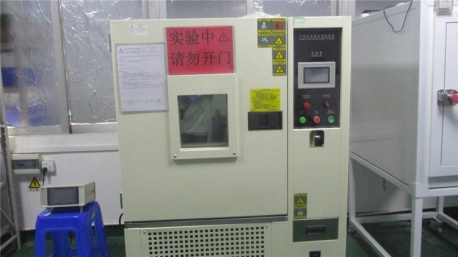
Thermal Performance Chamber
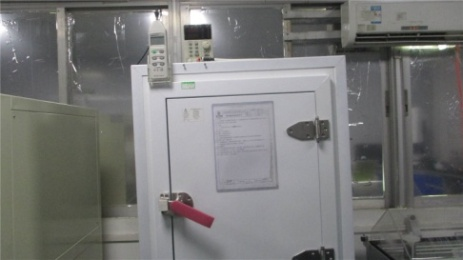
Acoustic Performance Diagnostics
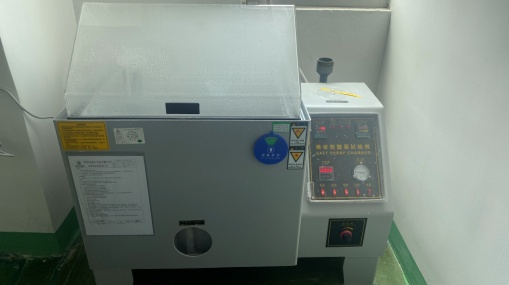
Environmental Salt-Spray Corrosion Lab
Navigating key import barriers, certification parameters, and regional integration requirements when sourcing micro motor systems.
For electronic components imported into the European Economic Area (EEA), obtaining a CE (Conformité Européenne) certificate is mandatory. A DC trimming motor must comply with the Electromagnetic Compatibility (EMC) Directive 2014/30/EU. Under this directive, a motor cannot emit high levels of electromagnetic interference that disrupt adjacent circuits, and it must demonstrate adequate immunity to external electromagnetic disturbances.
Additionally, for motors coupled with onboard electronics or sensors (such as Hall encoders), the RoHS Directive 2011/65/EU and its amendment (EU) 2015/863 are enforced. This restricts the use of hazardous substances, including lead, mercury, cadmium, and hexavalent chromium in raw materials (solder, terminals, and copper alloys). Luv Motors ensures compliance by validating all materials via XRF screening before release into assembly lines.
Guangdong province stands as the global hub for micro-motor fabrication. This cluster allows manufacturers to access premium copper wire mills, plastic injection specialists, and high-quality iron core stampers with minimal lead times. For OEM buyers, this dense logistics network translates into lower development costs and accelerated time-to-market cycles.
Luv Motors leverages this manufacturing ecosystem by establishing long-term supplier relationships, which helps mitigate volatile metal prices and raw material shortages. This strategic location enables us to deliver competitive factory pricing without compromising on product quality.
We provide custom mechanical shaft adjustments, custom winding geometries, and customized cable assemblies in under 15 working days, allowing for fast verification cycles.
Our Quality Management System assigns unique batch tracking numbers to all materials, covering everything from wire rolls to final product inspections.
Each unit undergoes automated dynamometer profiling, acoustic inspections inside noise testing chambers, and electrical continuity verification.
Evaluating specific performance issues and solutions across consumer products, industrial automation, and locking systems.
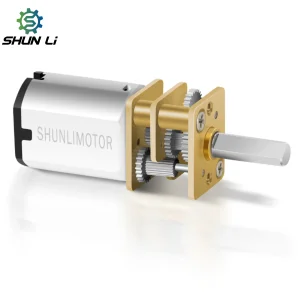
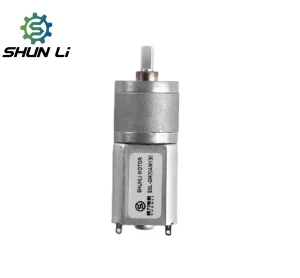
In smart home hardware (e.g., automated backpack locks, deadbolt actuators, intelligent window openers), physical footprint constraints restrict motor size. For these applications, engineers typically specify a 12mm N20 micro gear motor. Selecting the correct gear ratio (ranging from 10:1 to nearly 300:1) is essential for optimizing system output torque.
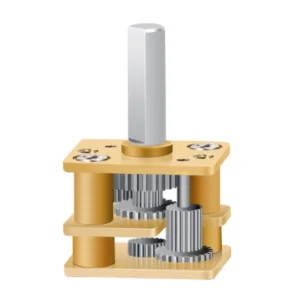
A primary failure point in micro gear motors is gear tooth shear under sudden impact loads. To mitigate this risk, Luv Motors designs customized gear assemblies that combine high-yield brass spur gears with hardened sintered steel output gears. This configuration ensures consistent performance and longevity over thousands of operating cycles.
For applications requiring long life and precise feedback control, traditional brush-type commutation may be unsuitable due to frictional carbon wear. Brushless DC (BLDC) motors solve this issue by using an electronic controller to switch current between the stator coils, eliminating mechanical brushes entirely.
By embedding Hall Effect Sensors, controllers can monitor the exact position of the rotor magnetic poles. When paired with planetary gearheads, these motors provide high positional accuracy, low speed ripple, and smooth torque delivery, making them ideal for small robotic joints, medical equipment, and precise tracking drives.
How electrification, integration of smart sensors, and advanced materials are shaping the next generation of DC motors.
The micro-drive industry is shifting toward higher power density and integrated smart controls. As electronic devices continue to shrink, the demand for high-efficiency motors under 15mm in diameter has grown. Manufacturers are using high-energy NdFeB (Neodymium Iron Boron) magnets and advanced laminations to reduce eddy current losses and maximize efficiency.
In addition to hardware improvements, digital control integration is becoming standard. Modern application designs require motors with integrated magnetic or optical encoders, allowing for precise position feedback. This trend enables design engineers to easily implement closed-loop speed control, improving system responsiveness and efficiency.
Environmental sustainability is also driving change. Global directives, such as the European WEEE (Waste Electrical and Electronic Equipment) directive, require manufacturers to design components that are easy to disassemble and recycle. Luv Motors supports these green initiatives by sourcing recyclable materials, using lead-free soldering processes, and adopting energy-efficient production machinery.
Technical answers to common questions about selecting, customizing, and importing DC trimming motors.
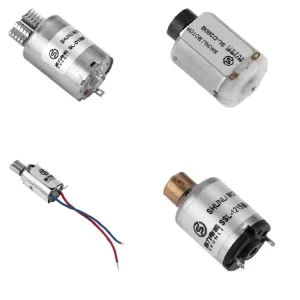
Review our specialized planetary gearing, worm gear reducers, and high-frequency vibrator drives for commercial integration.
 Luv Motors