Explore our advanced line of custom-engineered DC planetary, worm gear, and brushless drive units developed for smart automation, automotive mechanisms, and heavy-duty industrial appliances.
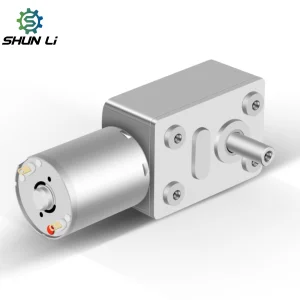
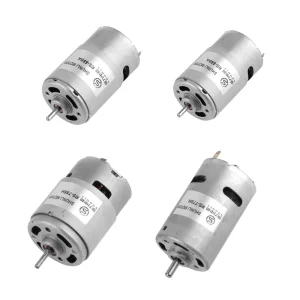
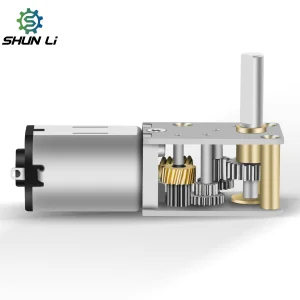
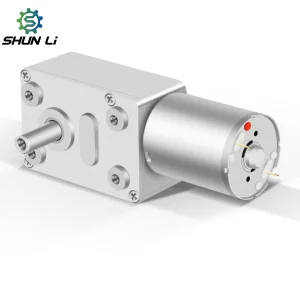
In modern industrial design, electromechanical reliability starts at the micro-level. A robust DC motor is not merely a generic component; it is the core execution unit of sophisticated kinetic loops, smart home automation, security hardware, and automotive sub-systems. High-Performance B2B buyers must navigate complex specification parameters, production realities, and global manufacturer capacities to secure drive systems that withstand structural fatigue, moisture, salt spray corrosion, and thermal fluctuations.
This whitepaper outlines the key operational structures of the world's leading micro DC motor factories, analyzing their technical architectures, production processes, and supply chain capacities. By leveraging industry-grade manufacturing data, B2B procurement officers can mitigate operational risks and align with manufacturers capable of delivering customized electromagnetic systems that conform to strict global standards.
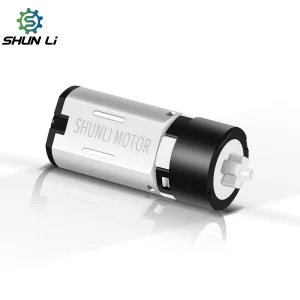
To define robustness in micro-motor manufacturing, engineers examine several core stress points. First is the gear reduction assembly. Plastic planetary gears, for instance, offer unmatched acoustic dampening and low unit costs, making them ideal for smart locks and light robotics. Conversely, high-torque industrial machinery relies on hardened metal worm gears or metal planetary gearboxes capable of managing high shock loads and preventing back-driving. Second is the electrical commutation interface, where brush durability (using precious metal alloys or carbon composites) directly limits mechanical lifespan. In critical systems demanding continuous runtime, brushless DC (BLDC) motors remove this mechanical wear-point entirely, substituting electronic commutation to achieve lifespans exceeding 20,000 operational hours.
Luv Motors, established in 2006, serves as a prominent benchmark in China’s high-tech manufacturing sector. Specializing in high-performance Micro DC Motors, DC Gear Motors, and Brushless Motors (BLDC), the factory operates under strict ISO9001 certifications to ensure absolute consistency in mass production. Their core competence relies on a dedicated in-house engineering team capable of providing 100% custom micro-drive designs for global OEM buyers.
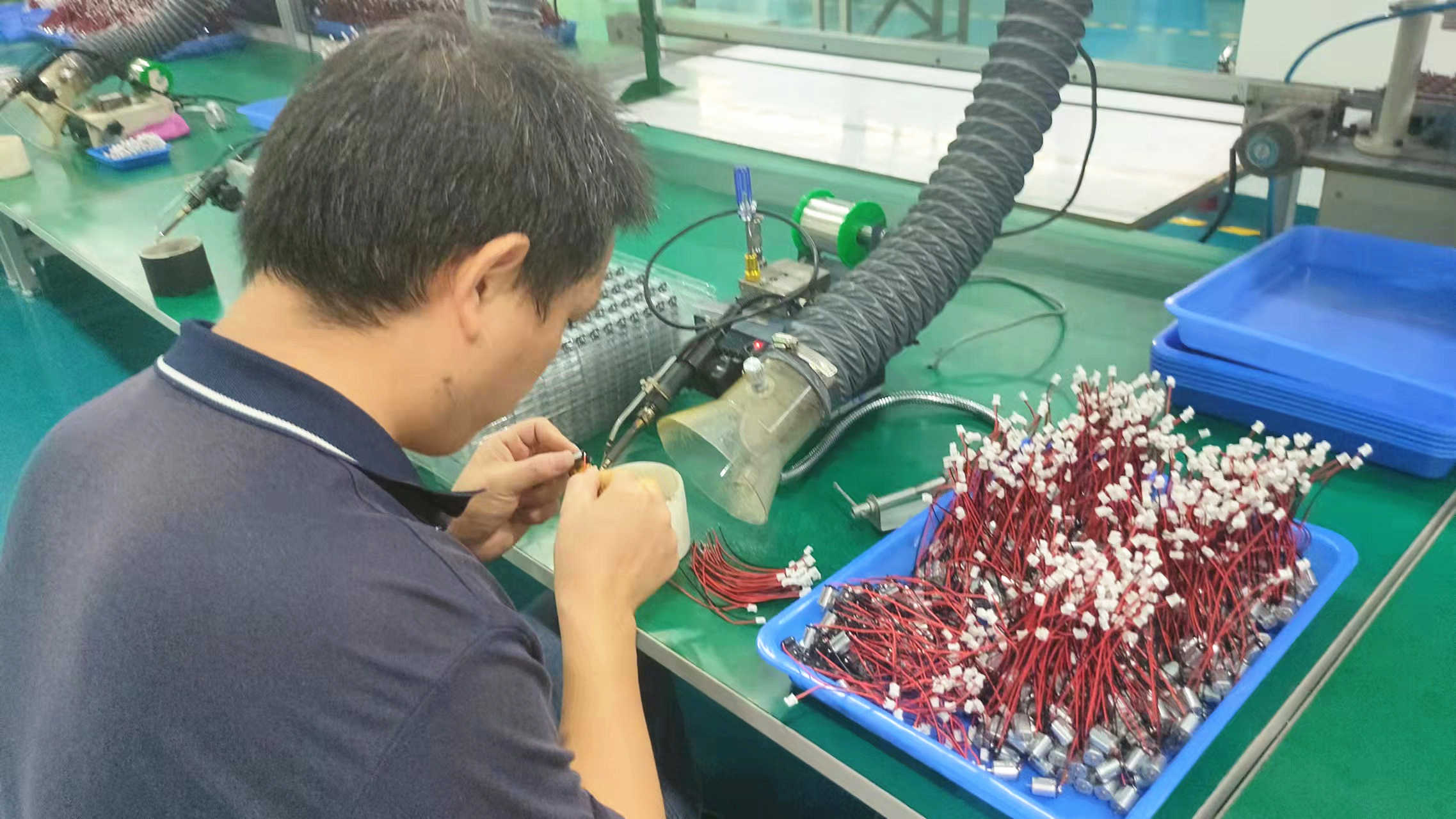
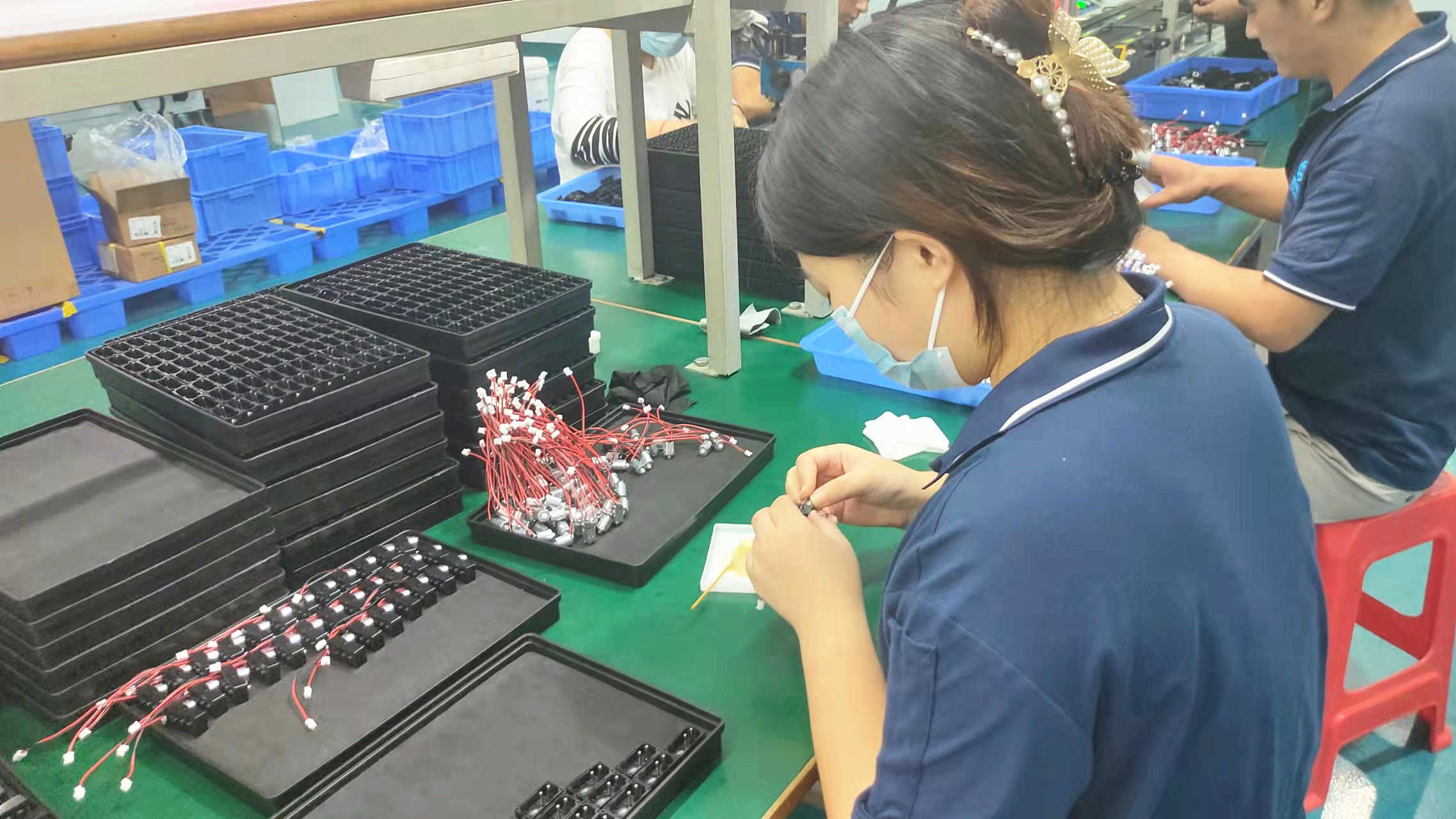
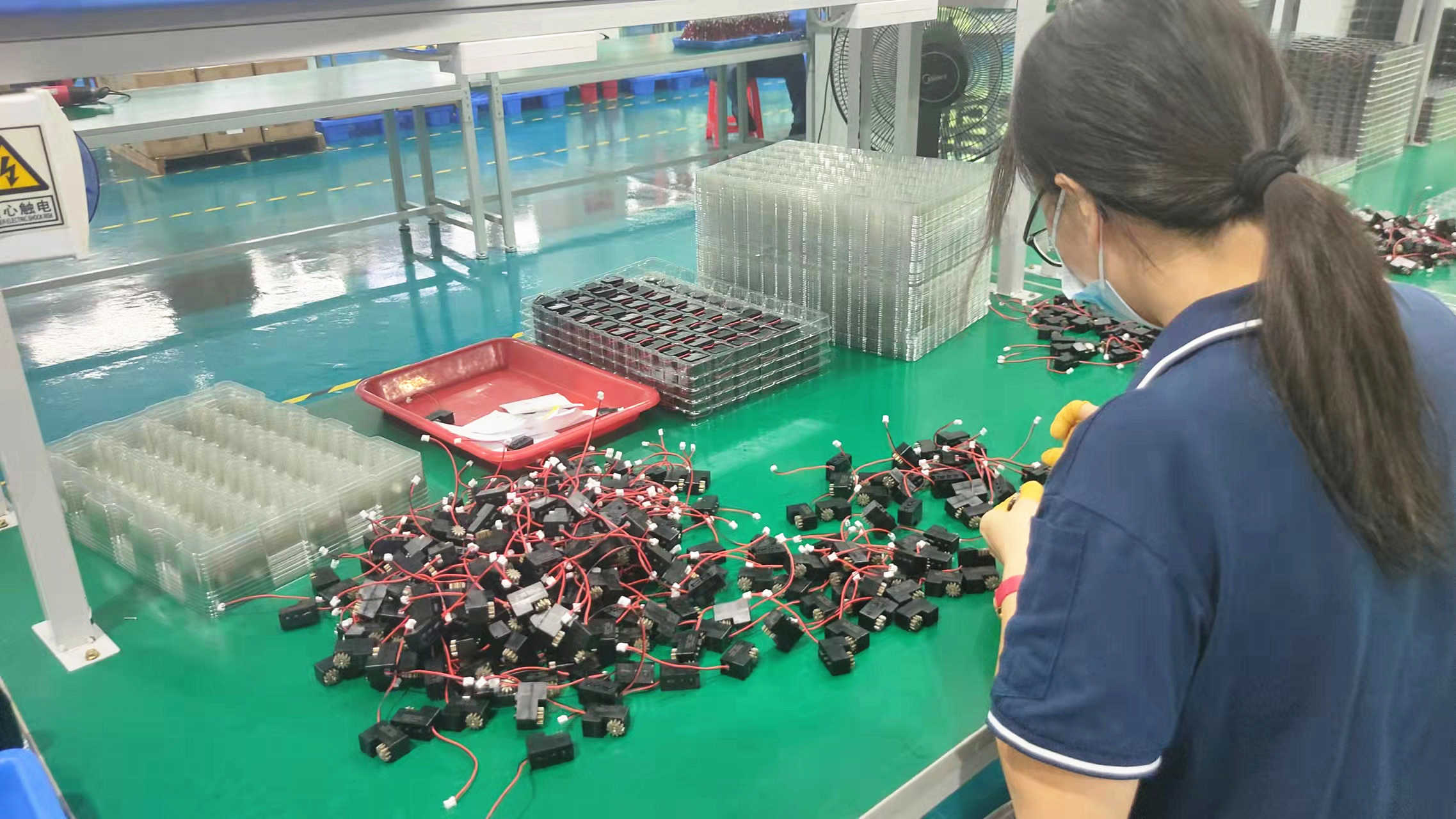
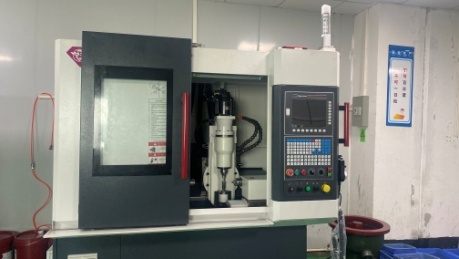
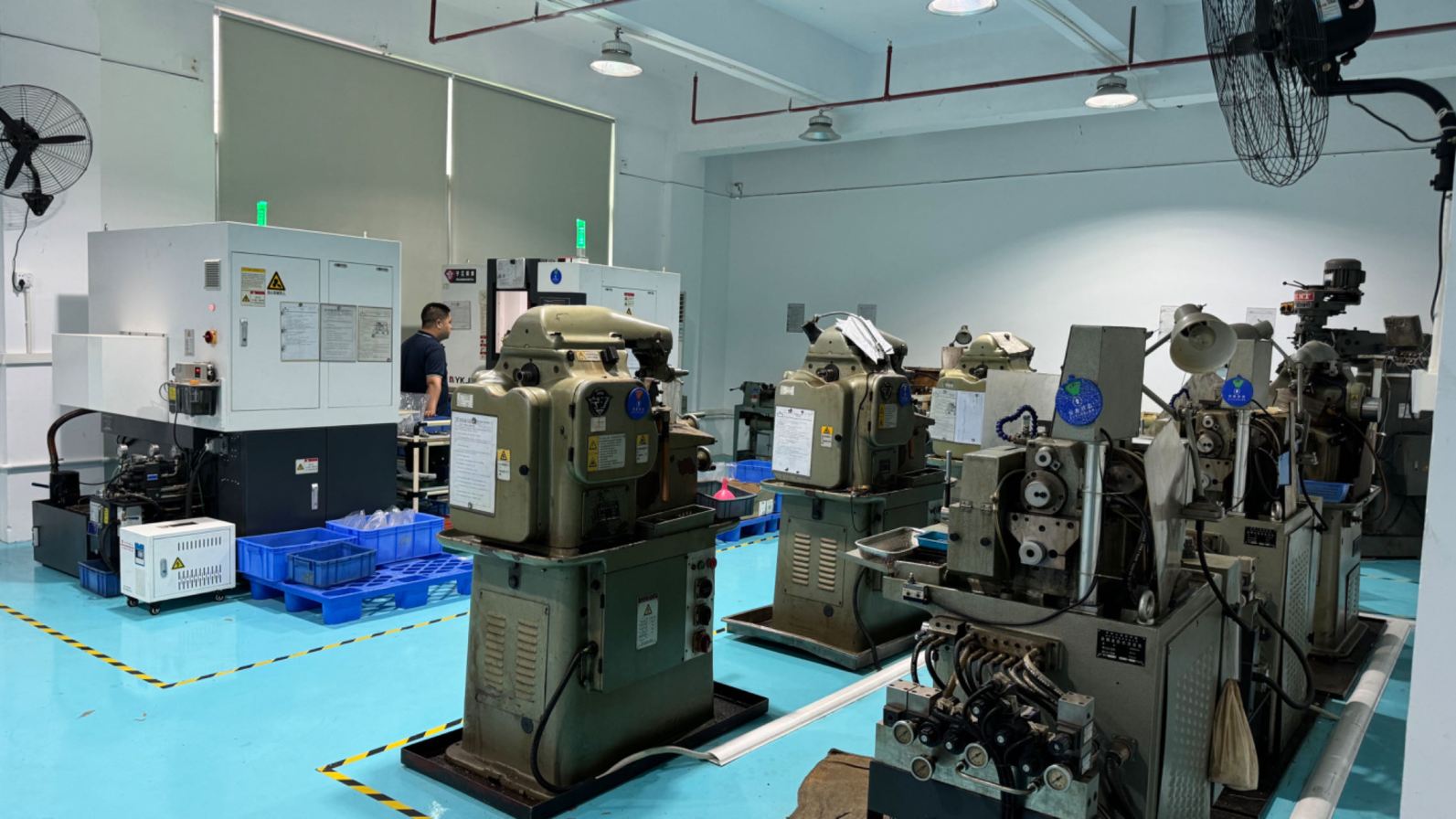
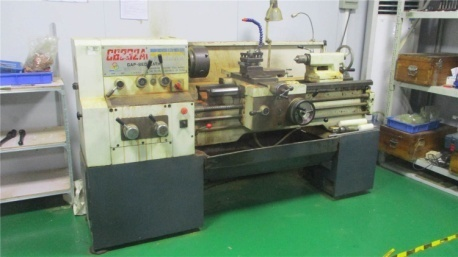
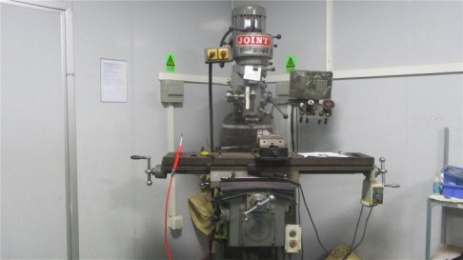
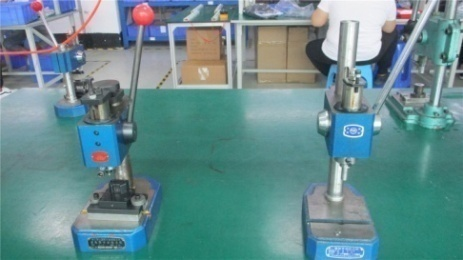
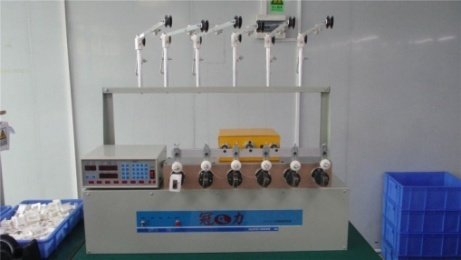
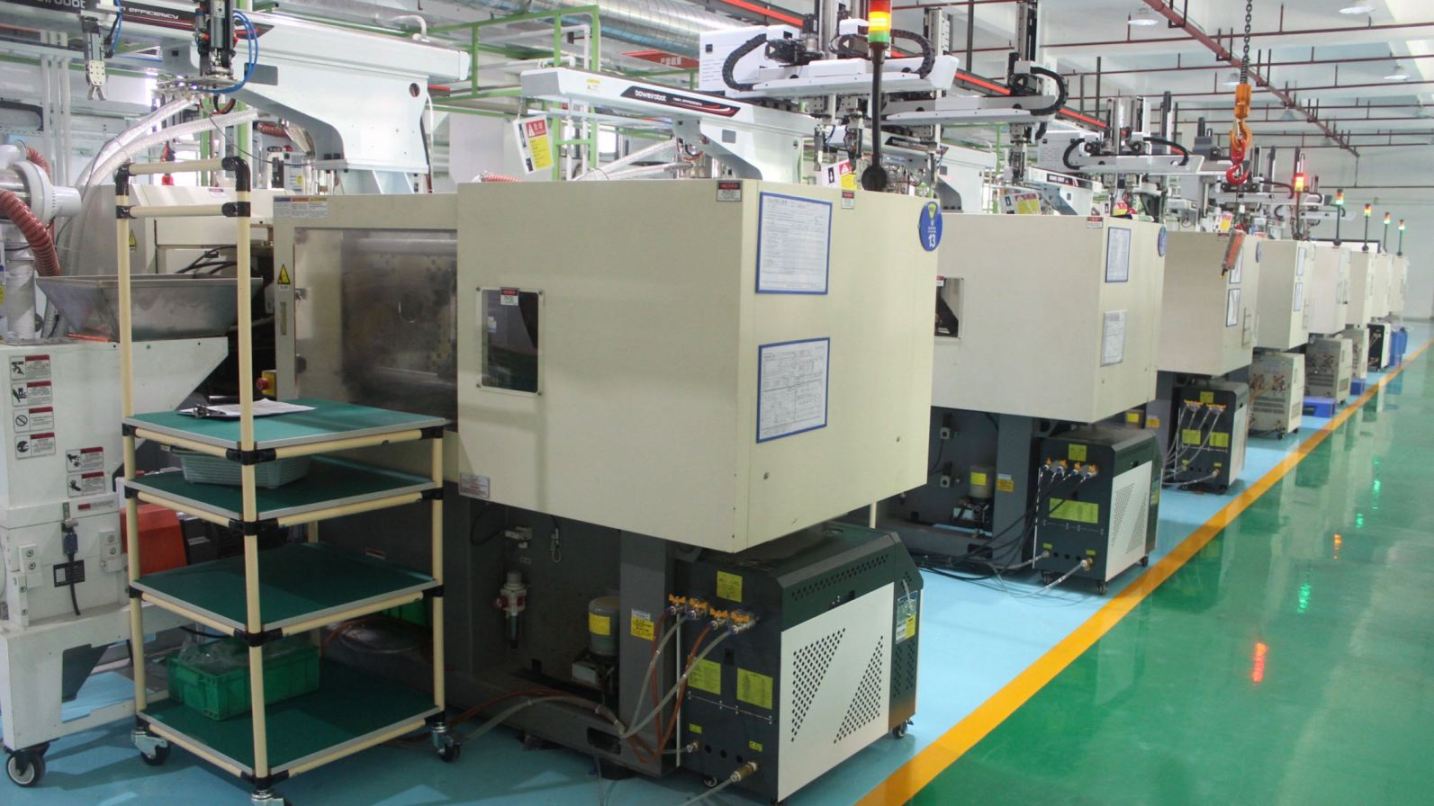
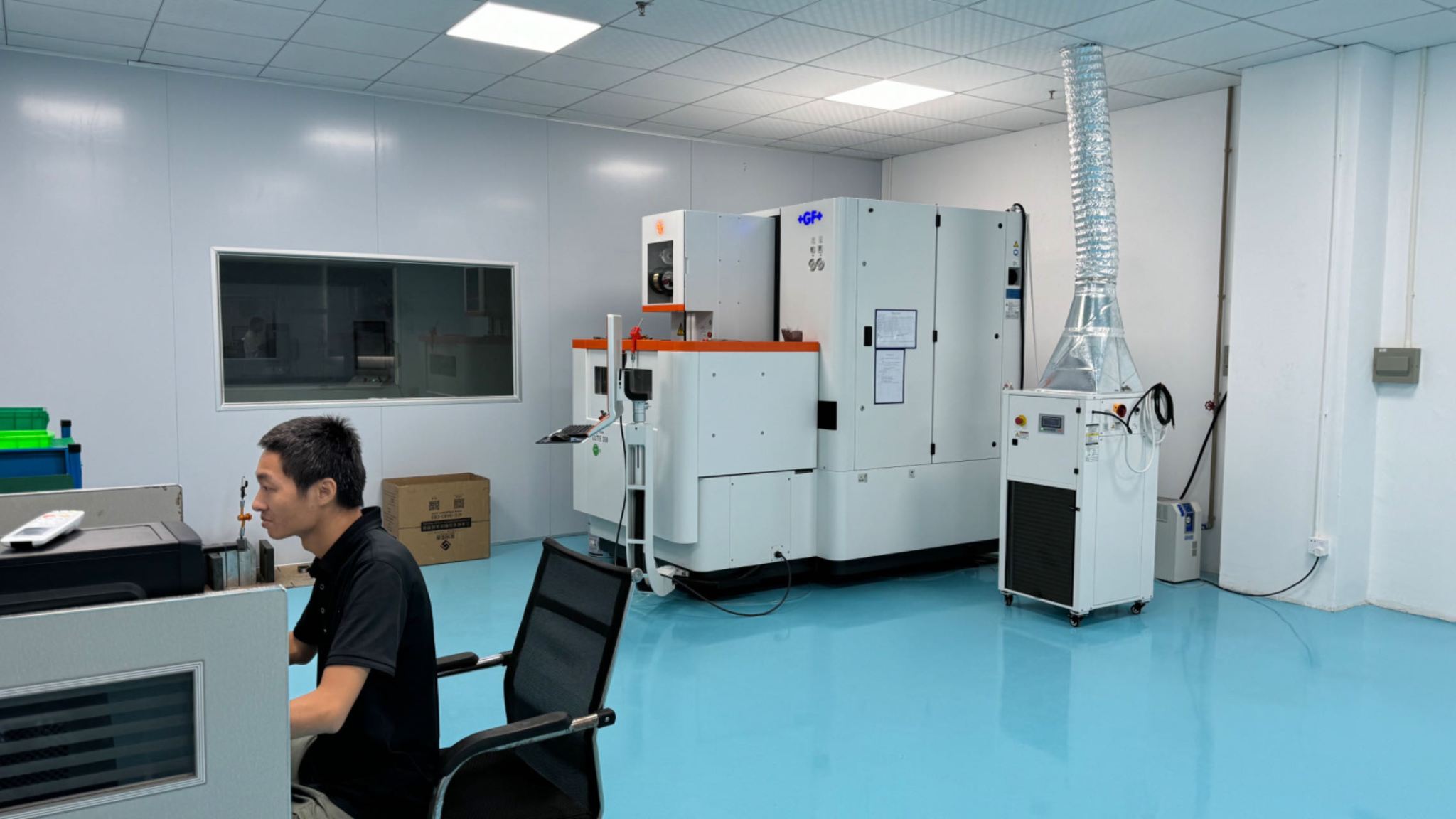
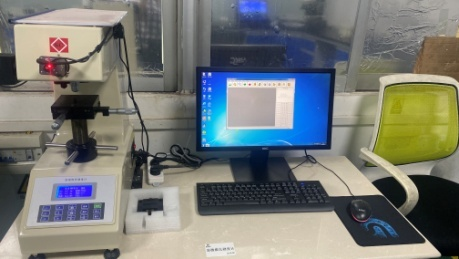
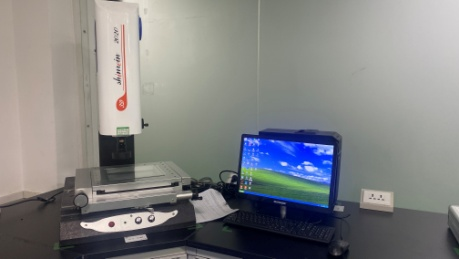
Unlike generic assembly facilities, Luv Motors retains full vertical integration. Their production capabilities span raw material validation, precision lathe operations, automated wire winding, state-of-the-art injection molding, and highly controlled soldering and assembly stages. By utilizing advanced machine tools like the NINGJIANG MACHINE TOOL and High Precision Horizontal Gear Hobbing Machines, the factory holds shaft tolerances to the micron level, minimizing mechanical backlash and operational noise.
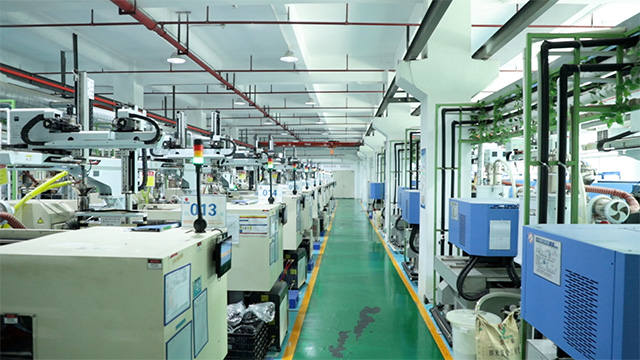


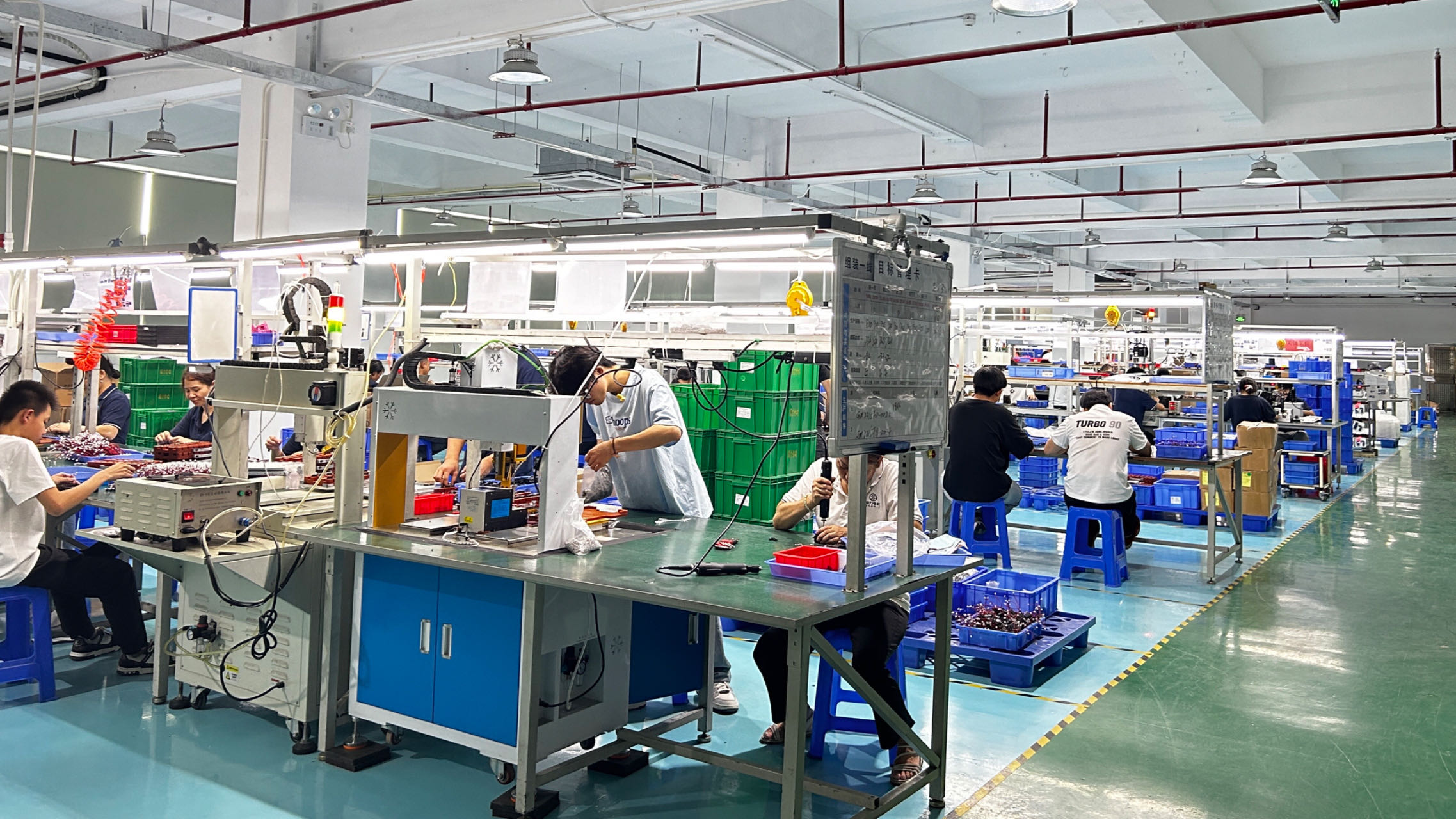
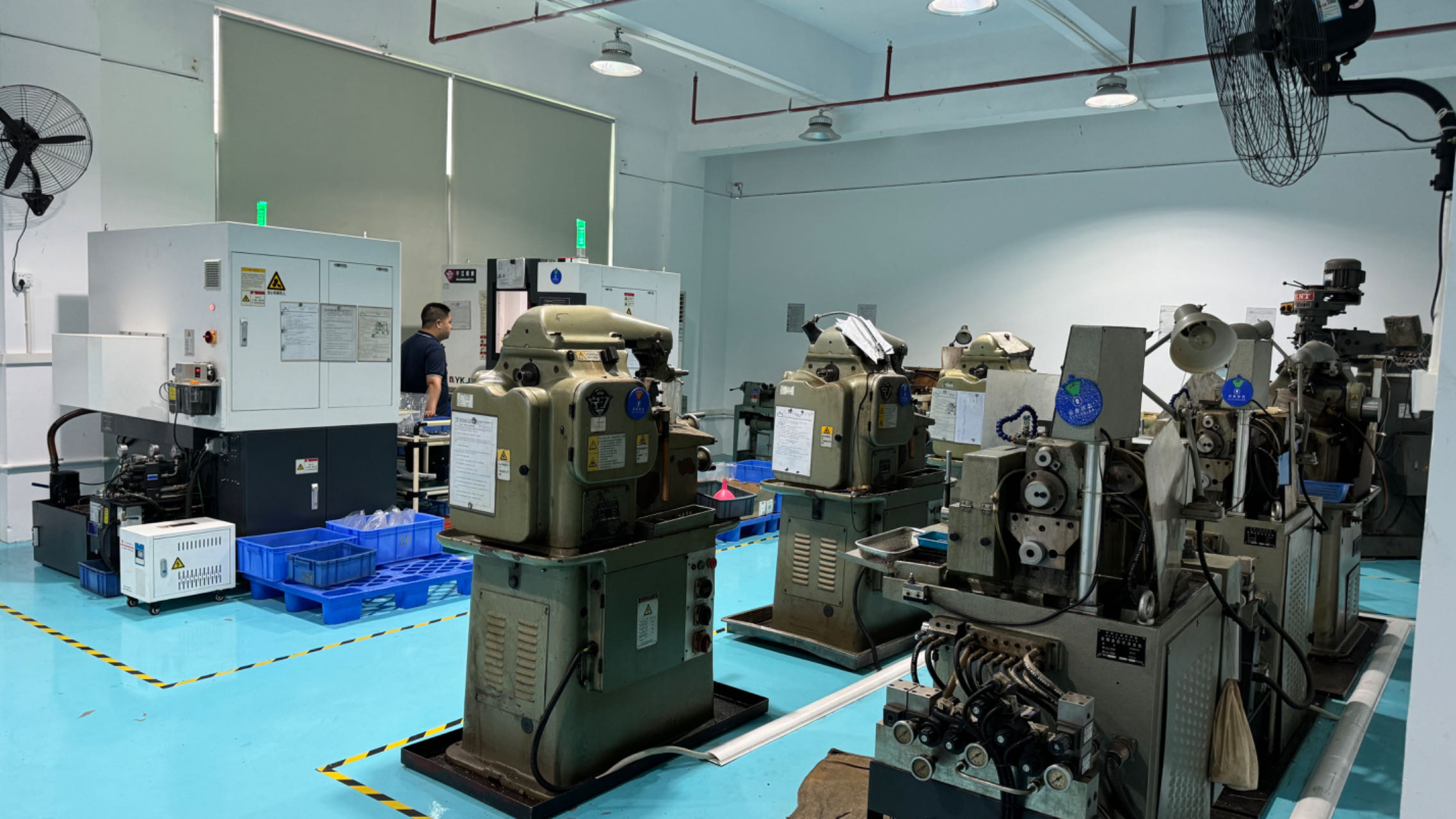
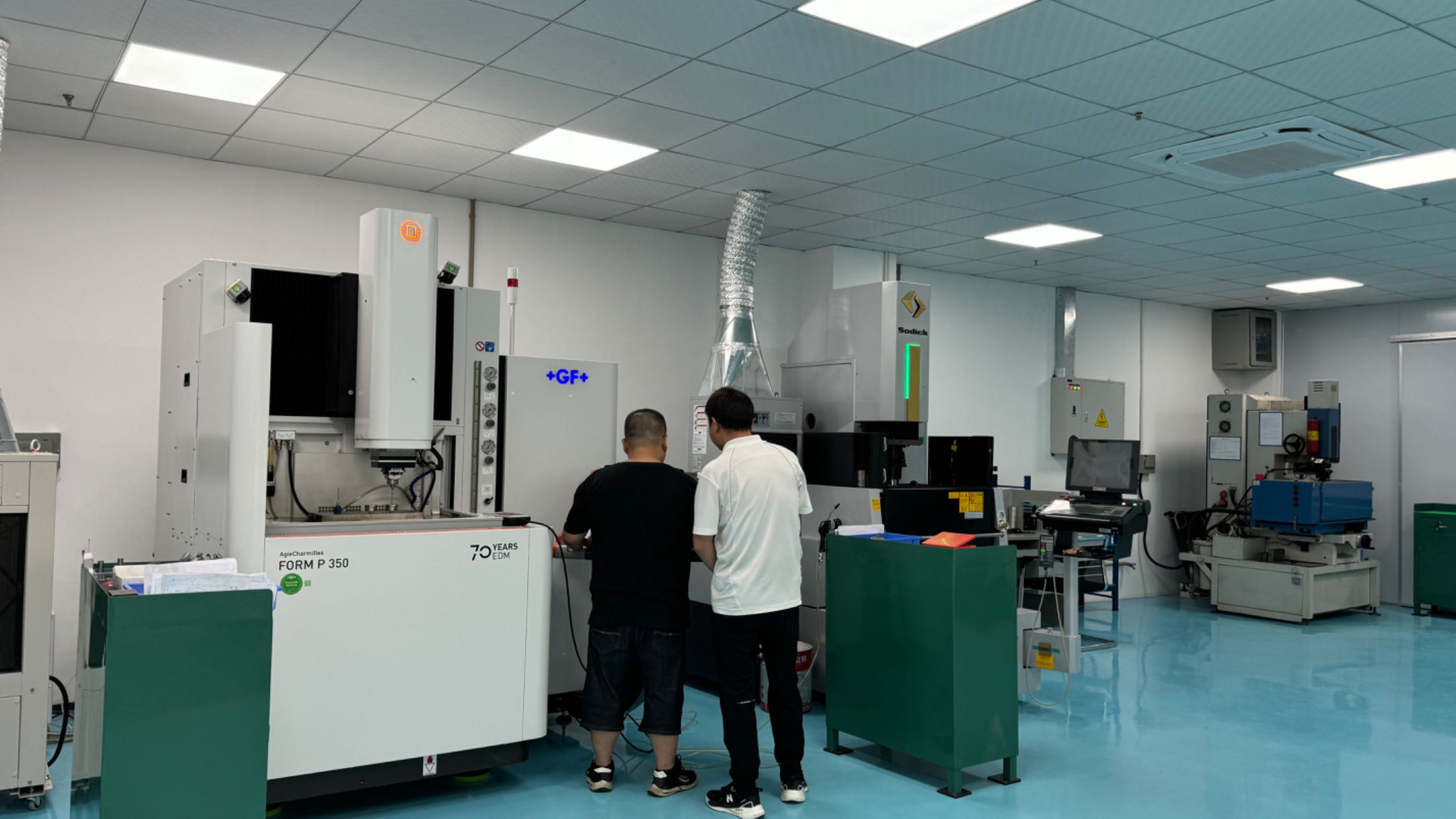
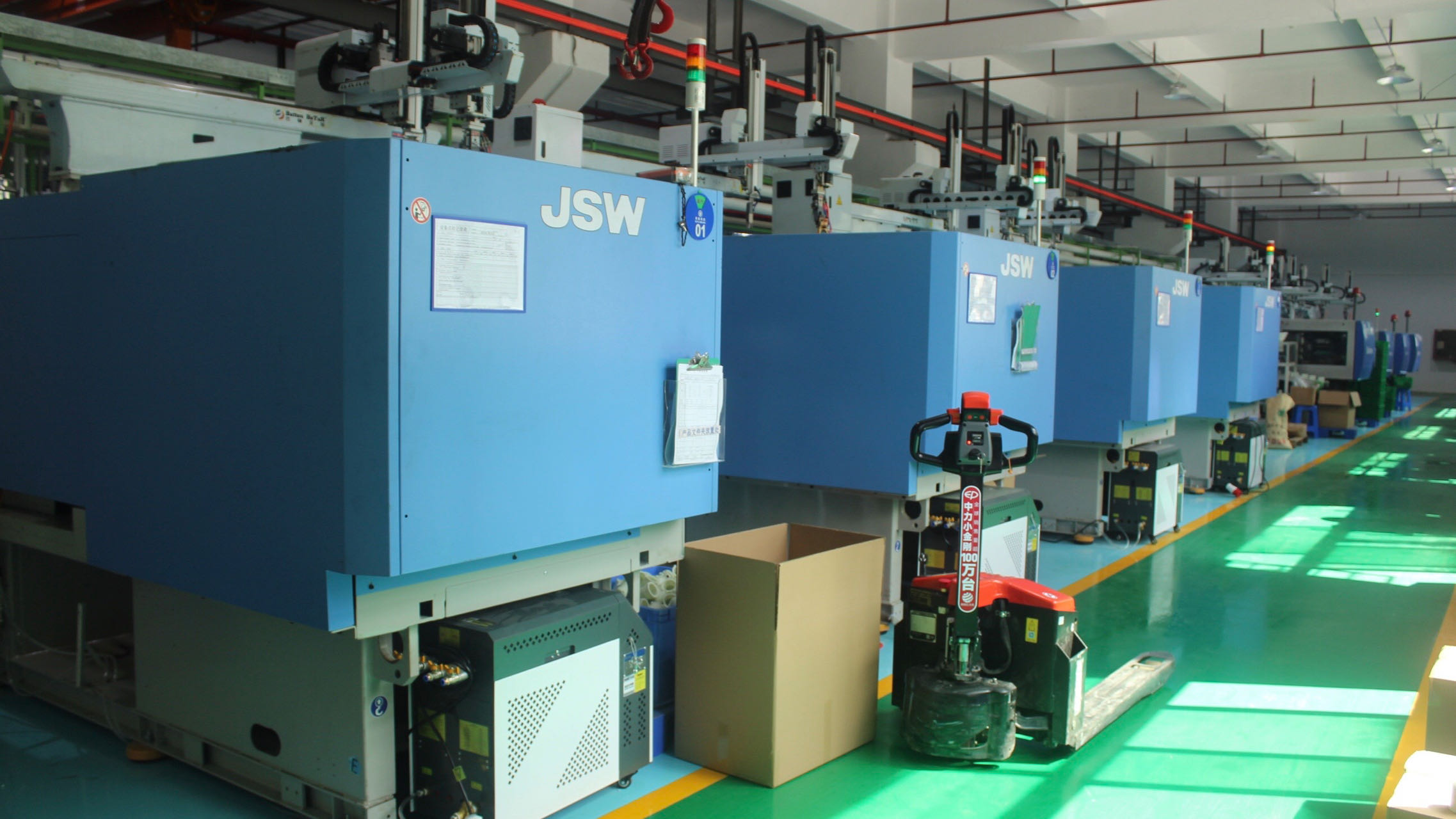
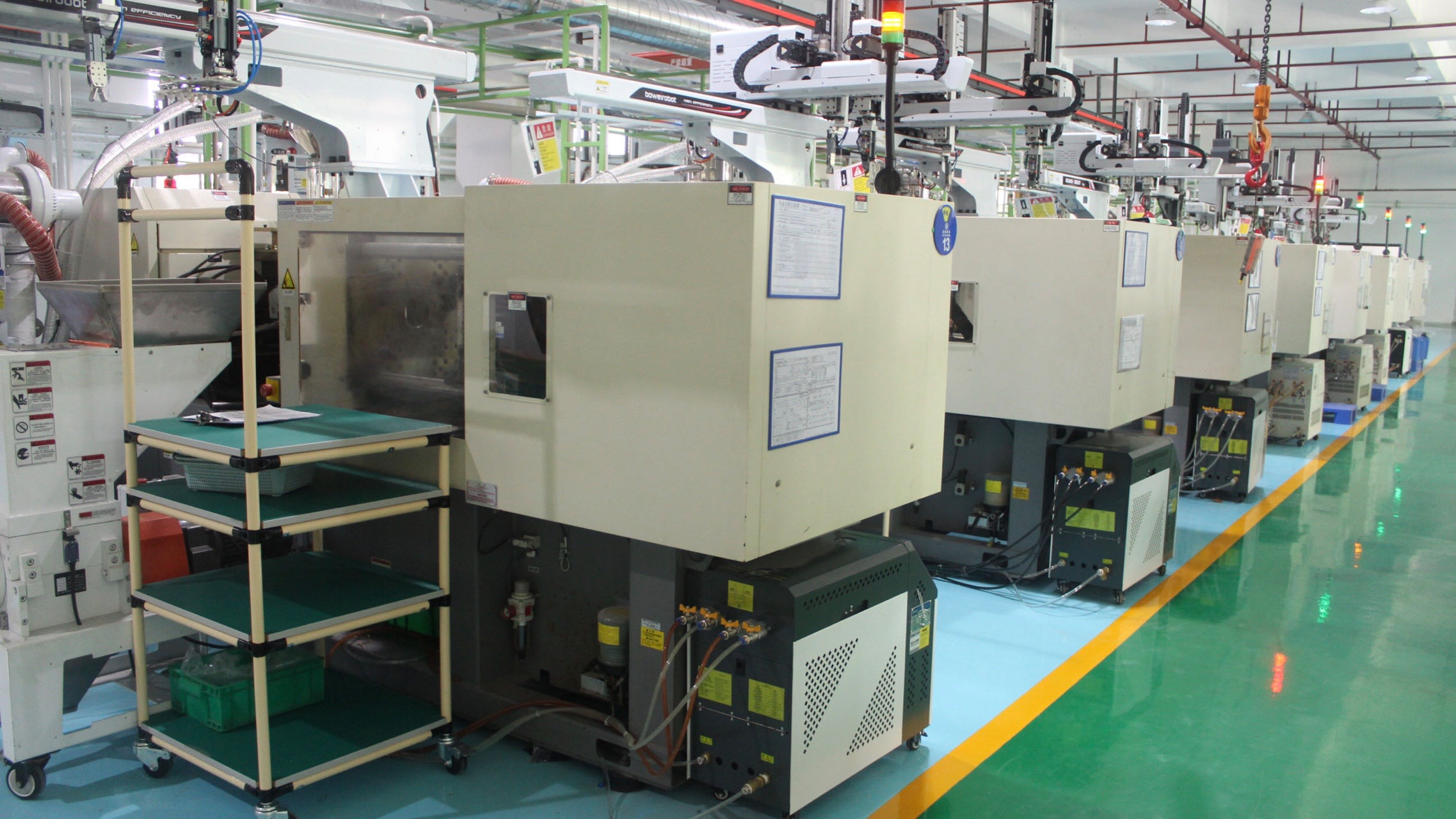
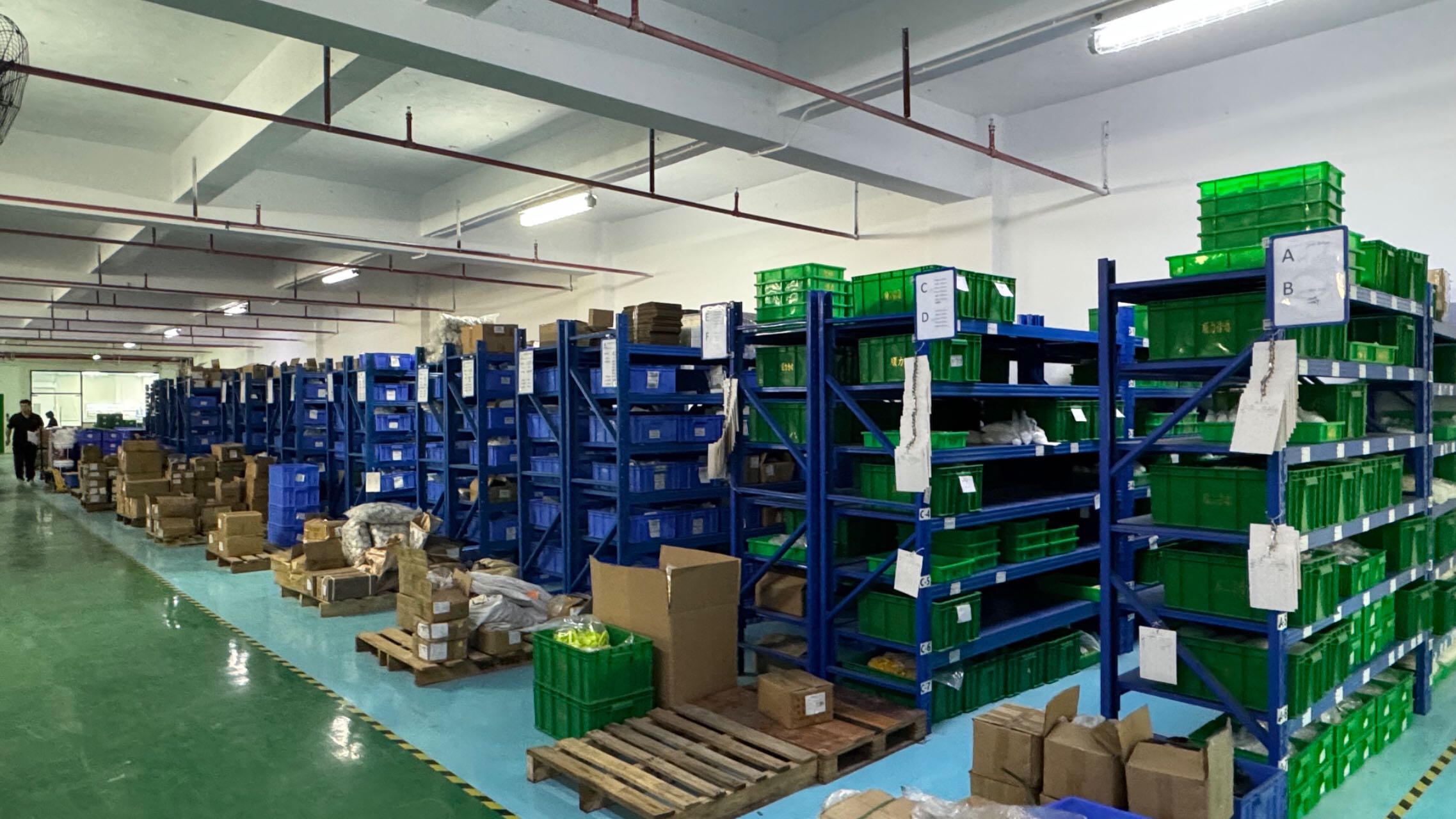
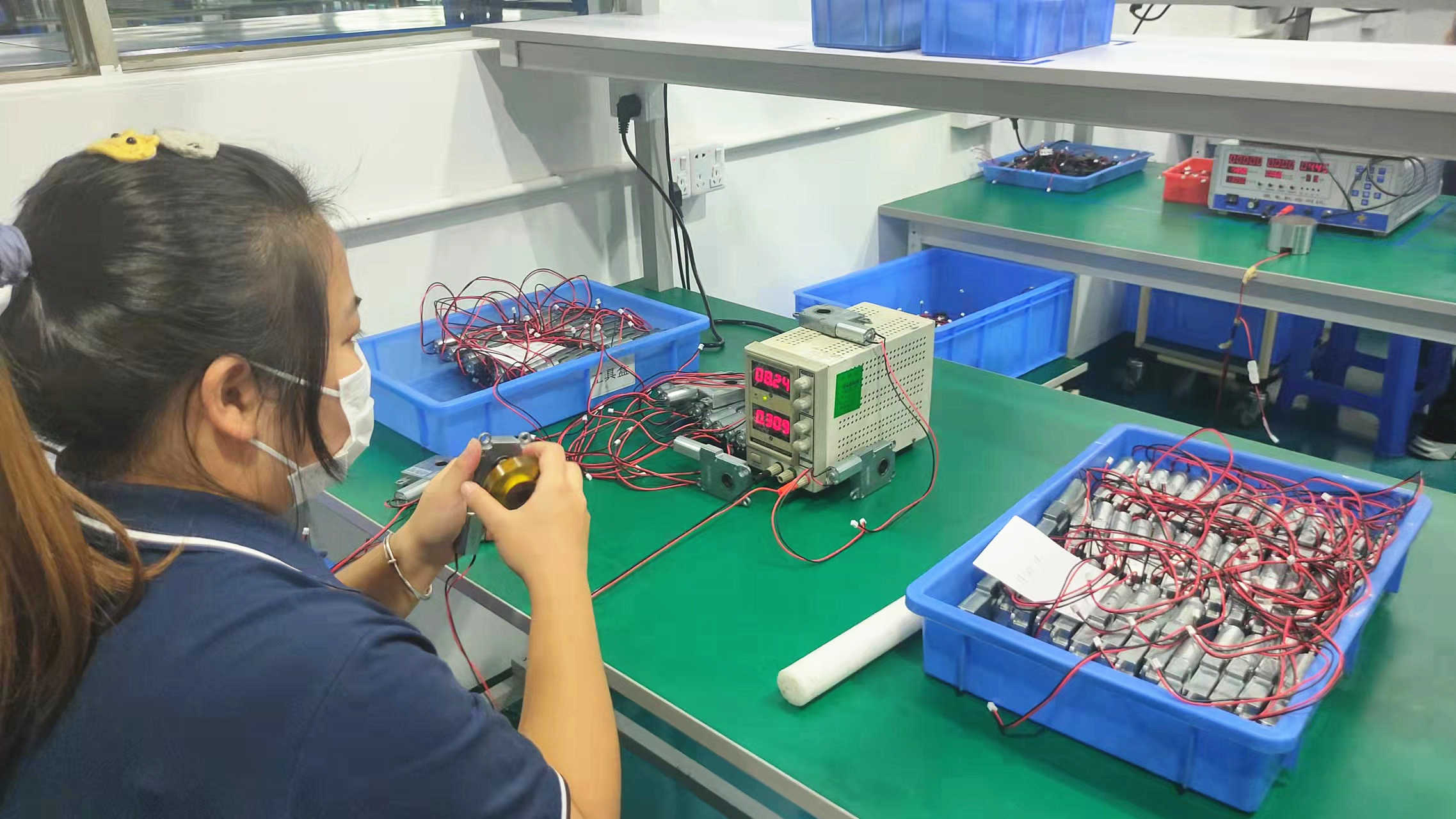
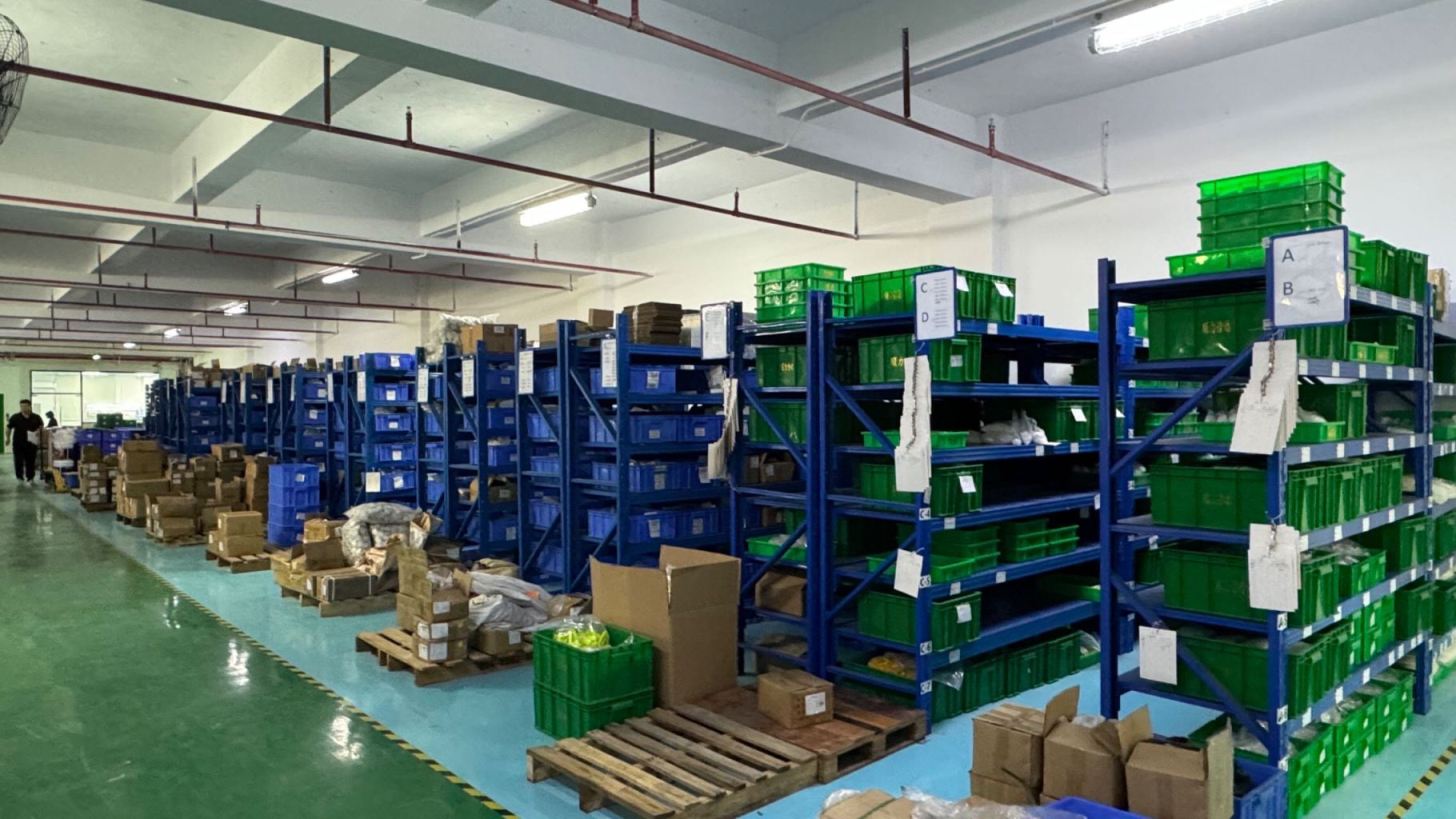
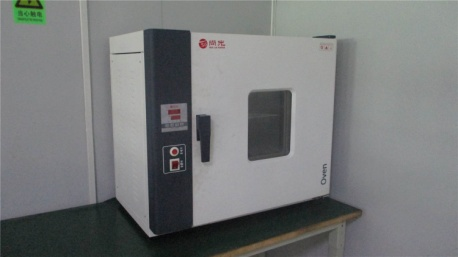
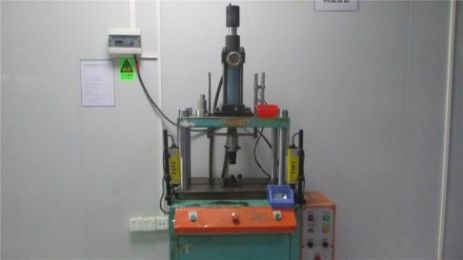
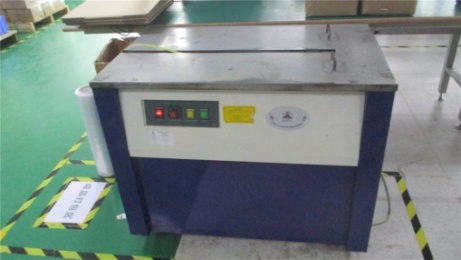
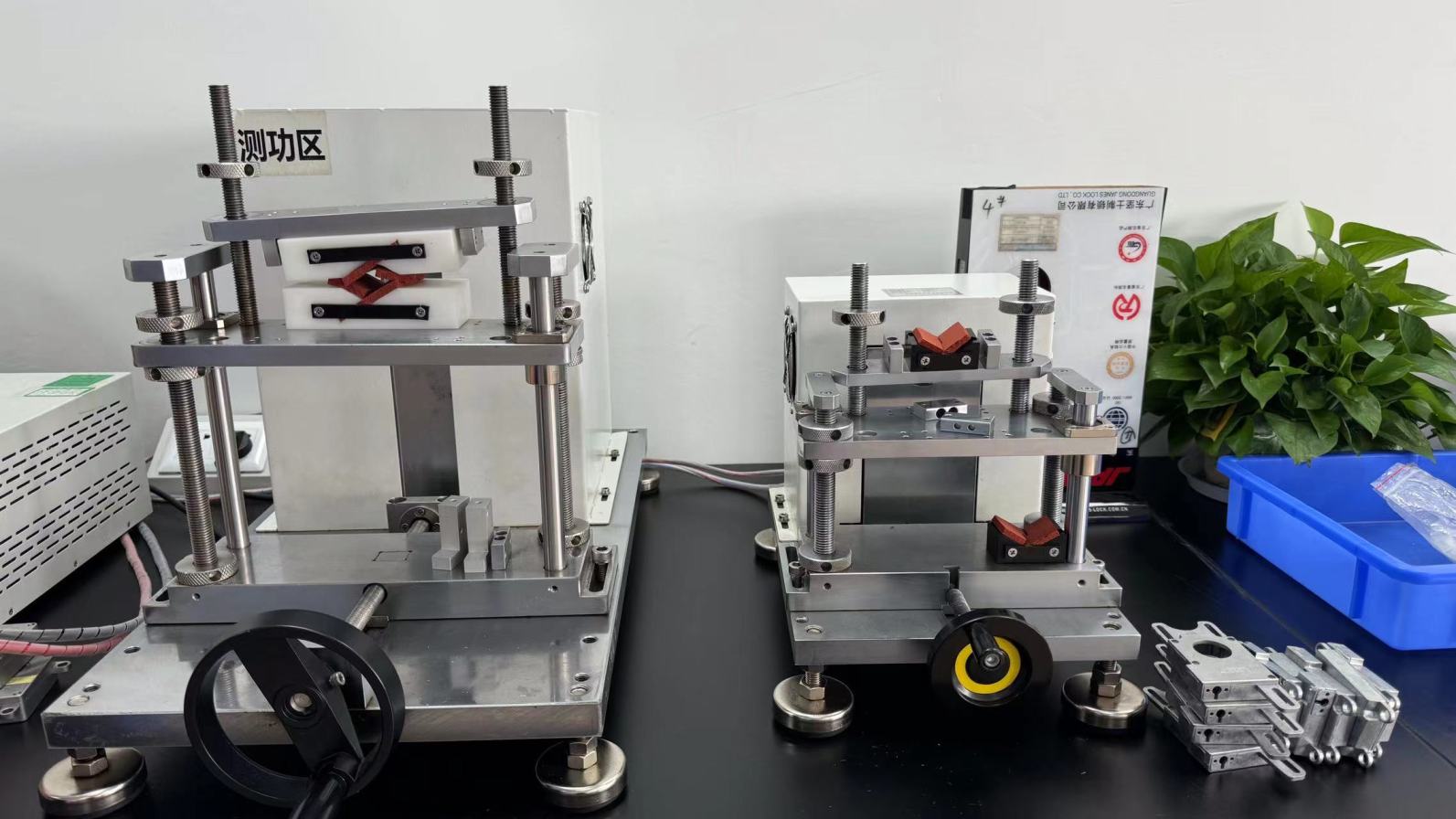
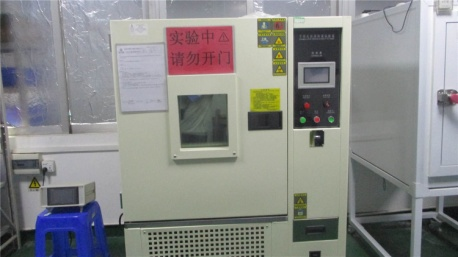
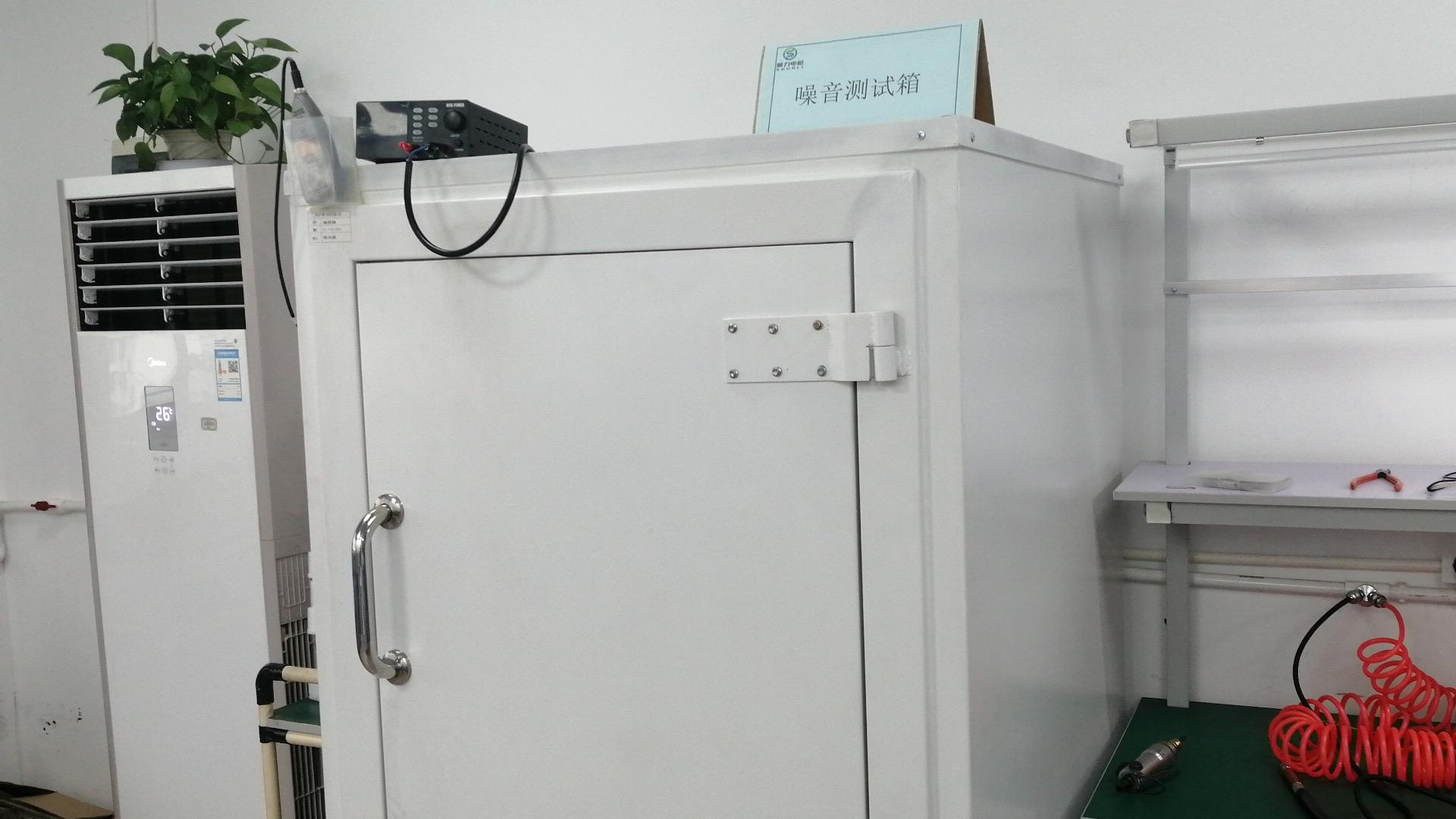
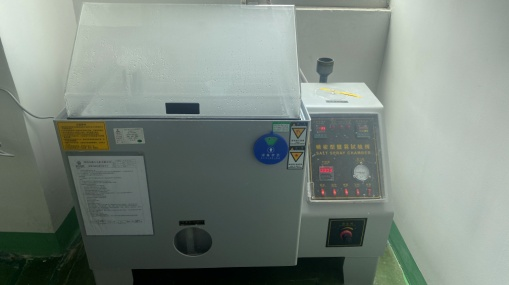
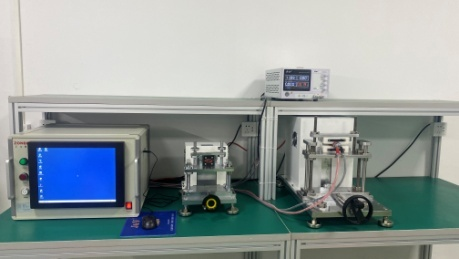
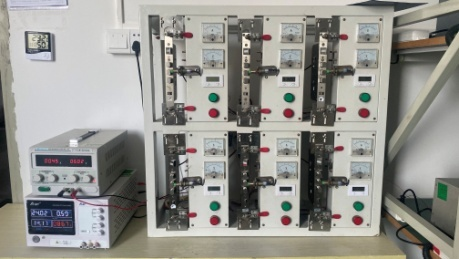
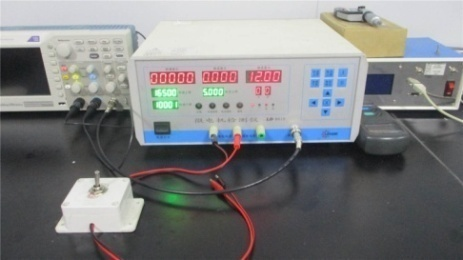
A manufacturing system is only as reliable as its testing protocols. Standardized production lines operate on a strict sequence of stages, ensuring that raw material inputs are verified, sub-assemblies are monitored, and finished drives undergo continuous test cycles. The following arrays display Luv Motors' complete operational flow, precision machinery, quality checking, and developmental protocols.

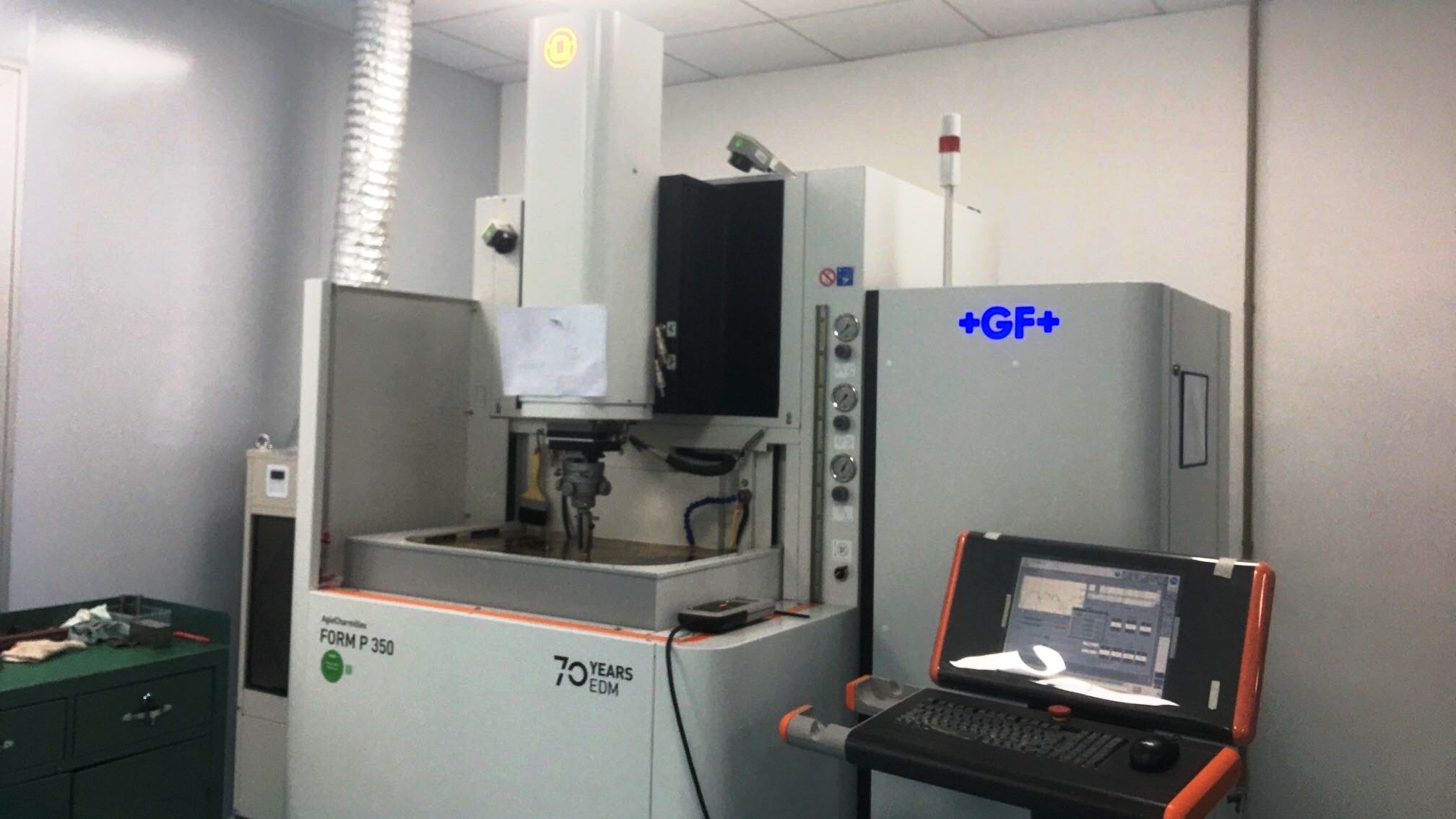
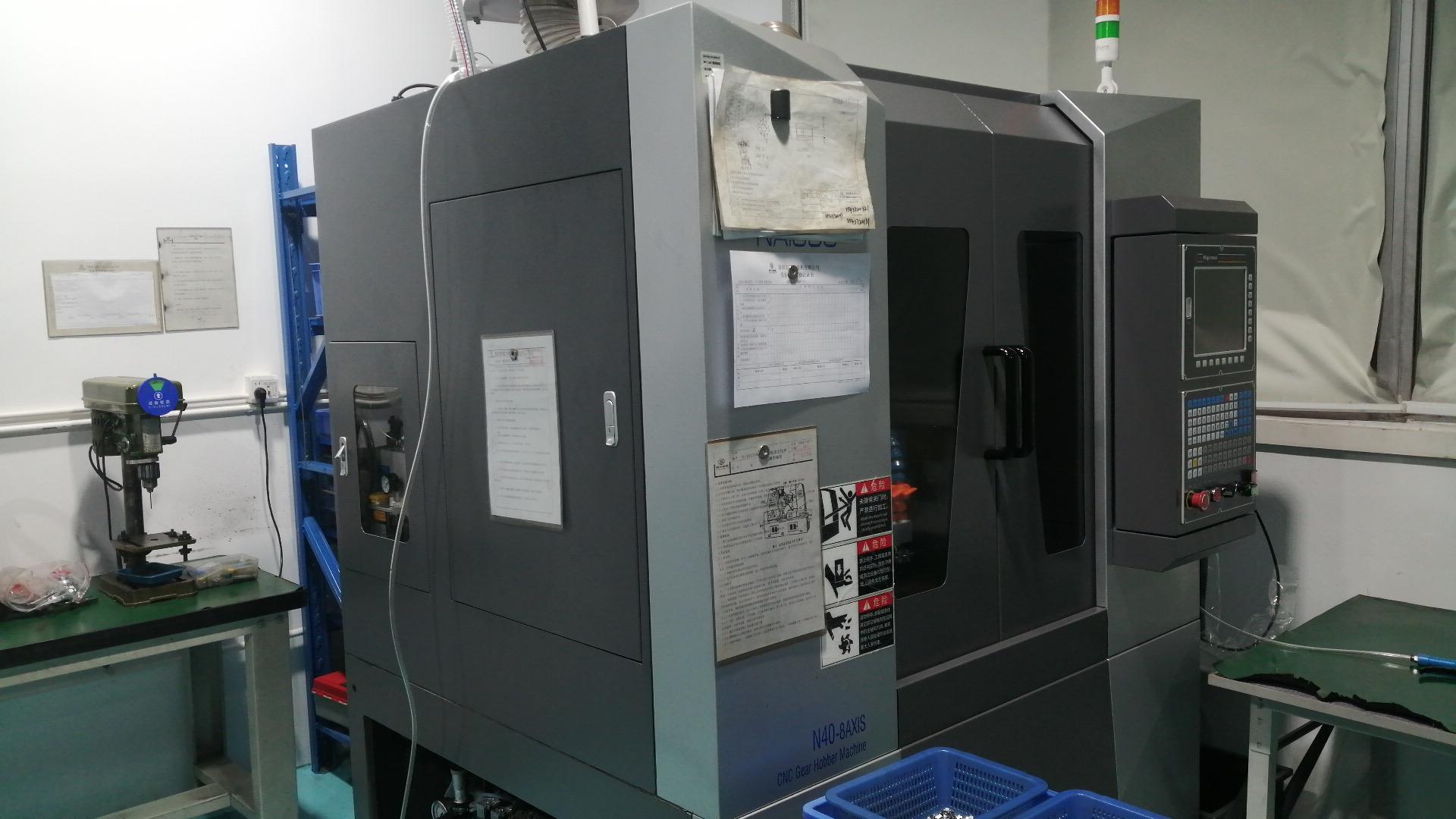
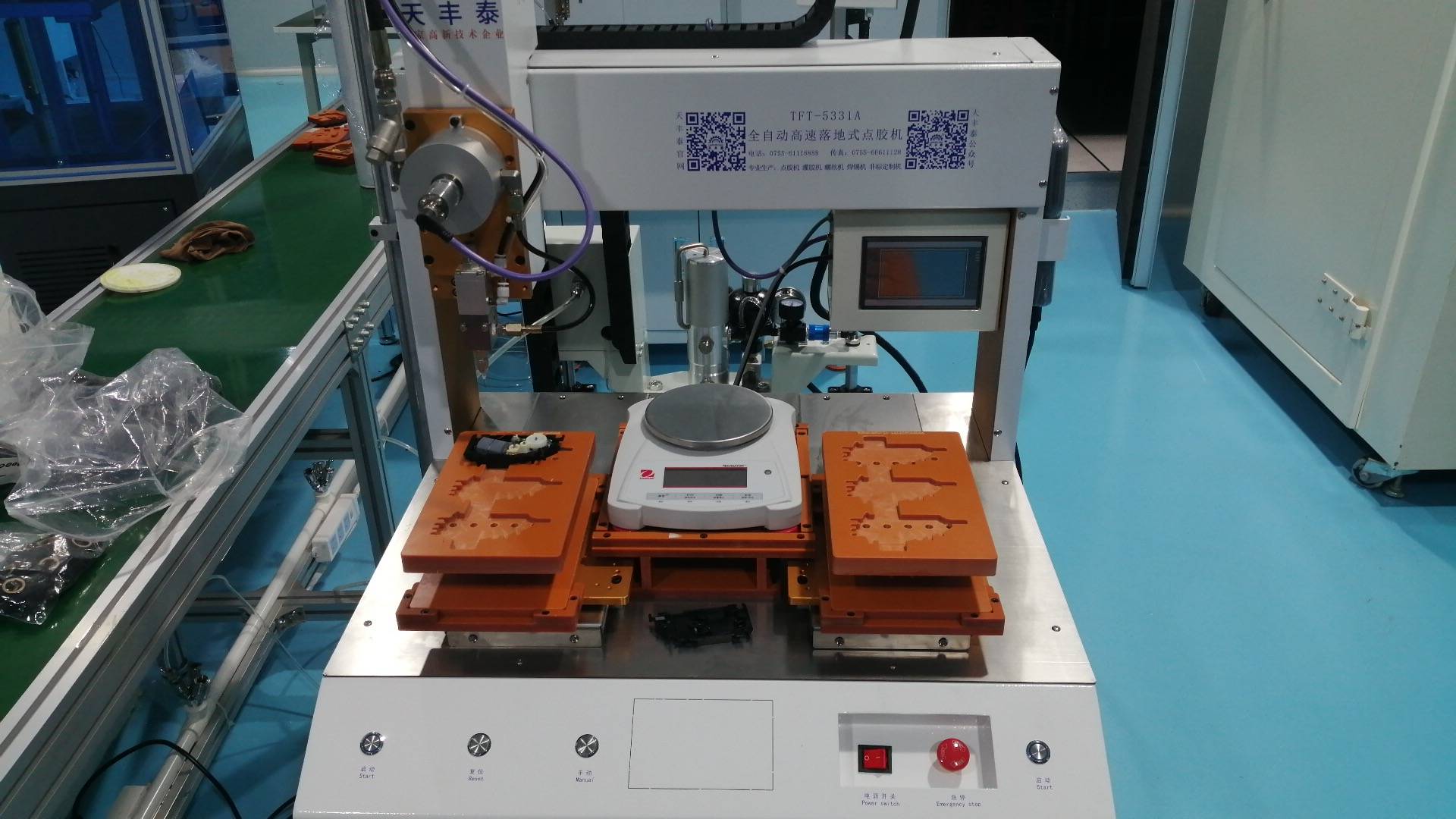
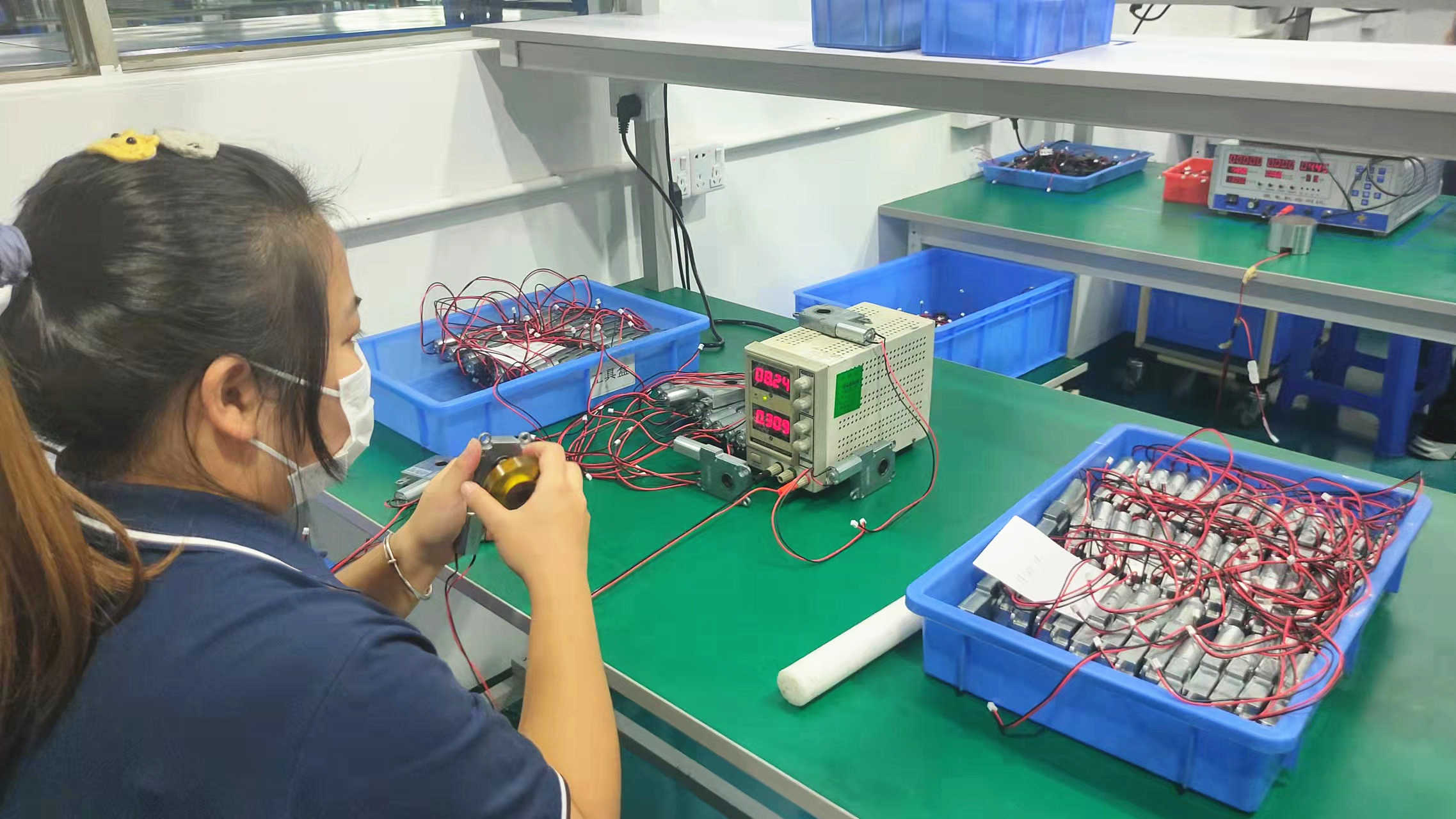
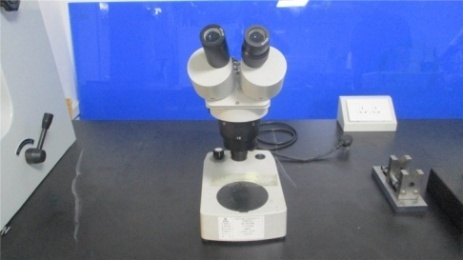
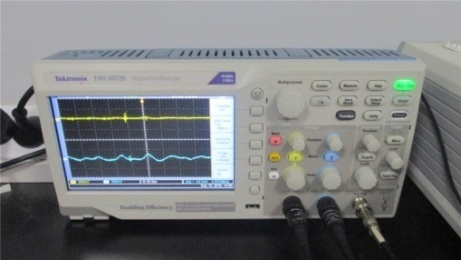
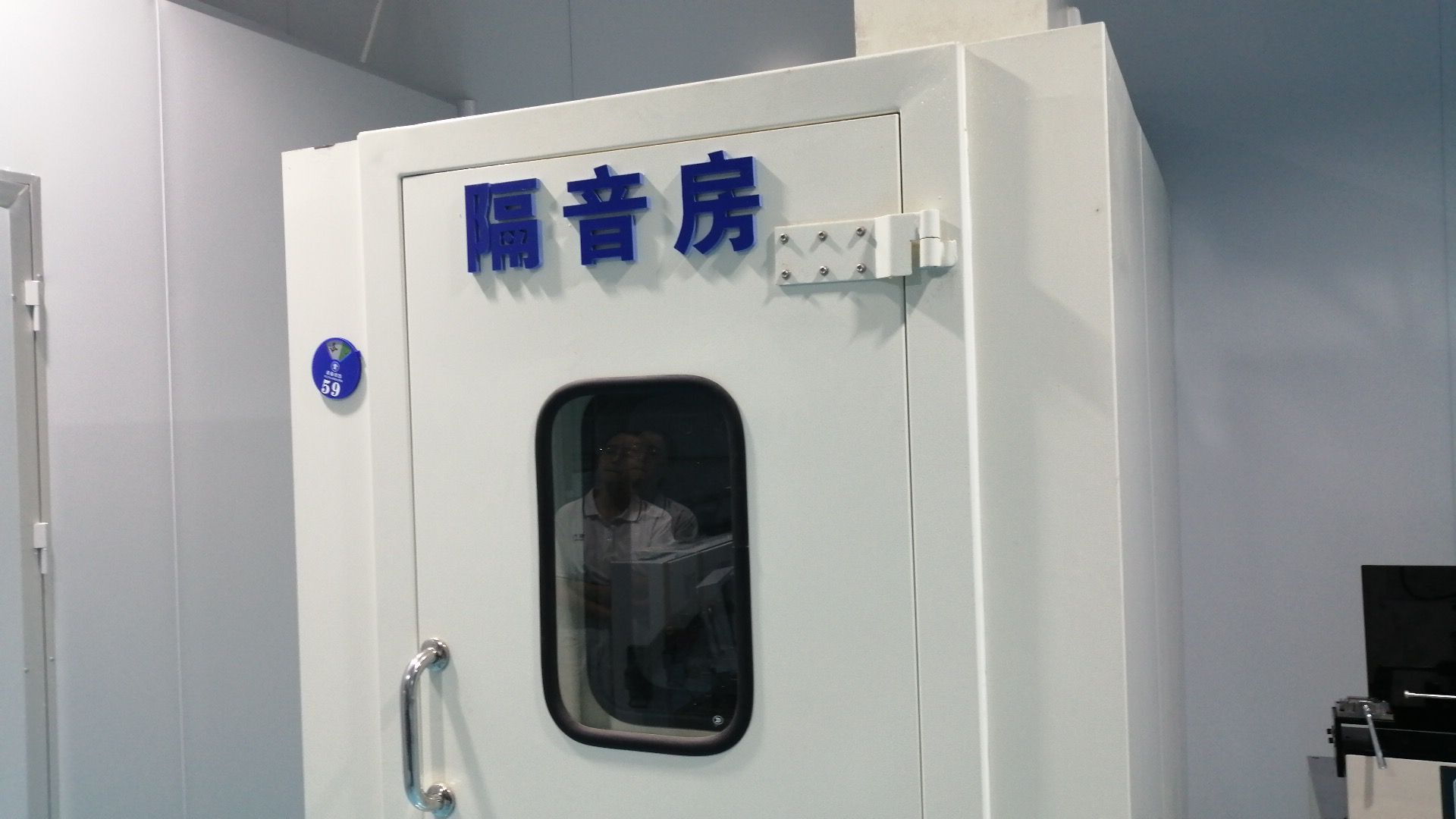
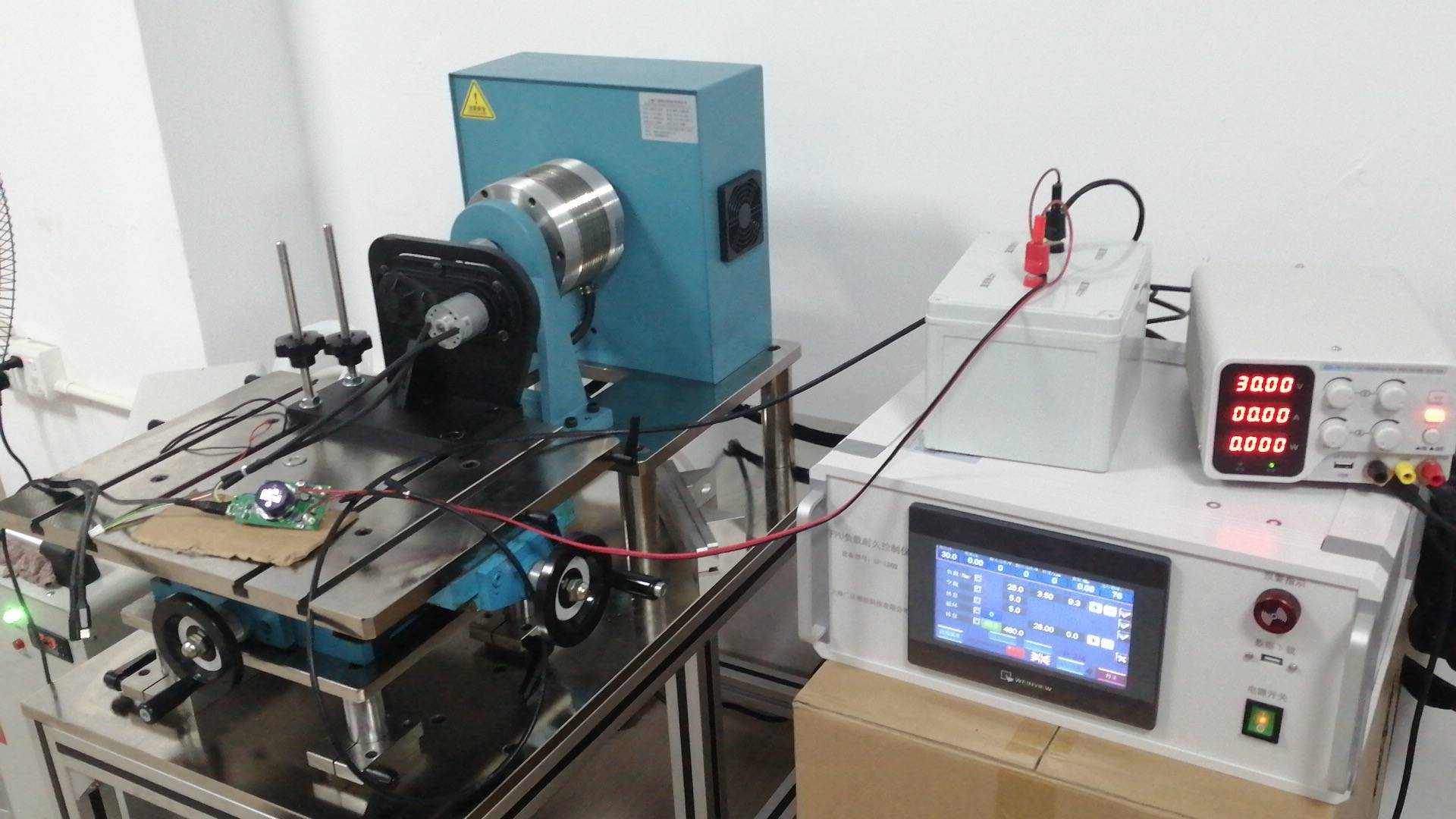
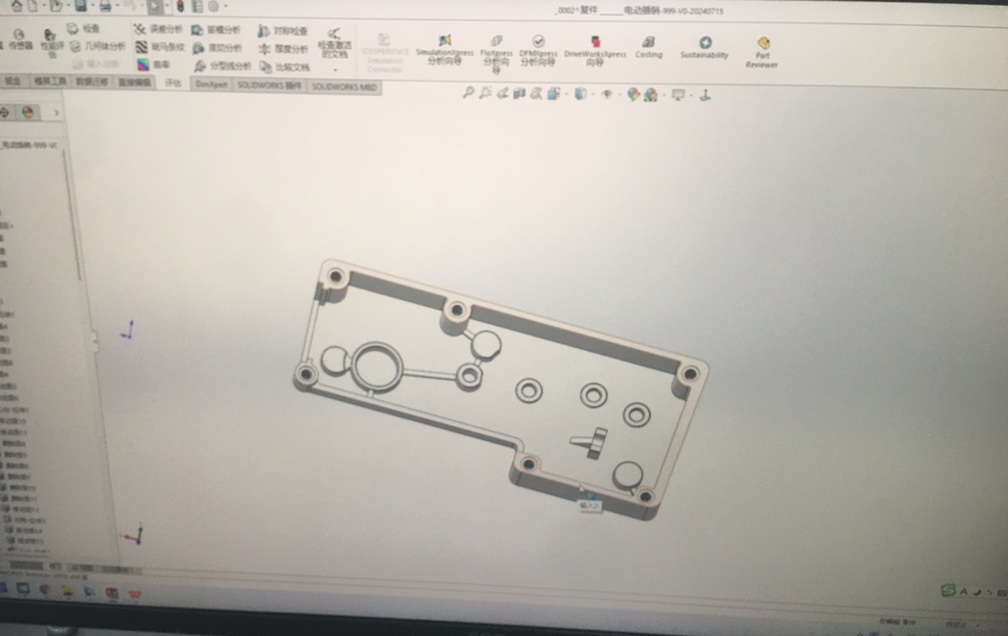
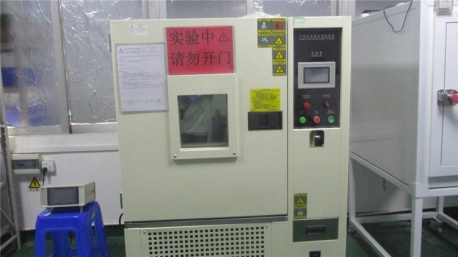
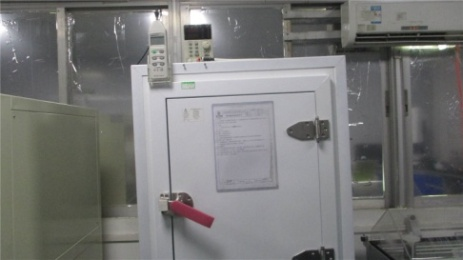
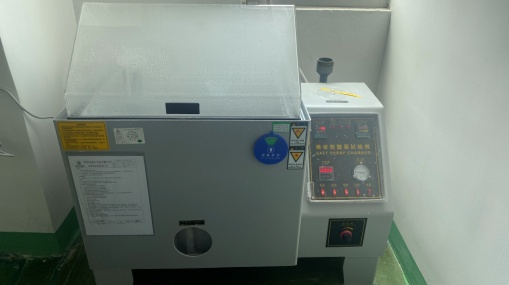
The macroeconomic landscape for micro kinetic drive systems is evolving rapidly. While the past decade was dominated by low-cost brushed motor configurations, today's industrial sectors demand higher energy density, intelligence integration, and material resilience. Let’s evaluate the industrial focus across key global economic zones:
Key Focus: Smart Automation & Medical Robotics. Regional demands prioritize extreme longevity and quiet operation (dB levels < 35). Compliance to FDA, HIPAA, and localized UL standards is essential. Rapid prototyping and localized engineering support during developmental stages are mandatory to shorten time-to-market cycles.
Key Focus: Automotive Subsystems & Energy Transition. European buyers require strict compliance to REACH and RoHS regulations. Driven by the EV transition, micro DC motors are increasingly integrated into thermostatic control valves, active aerodynamic flaps, and charging port locking mechanisms where failure rates must be < 10 PPM.
Key Focus: Massive High-Tech Integration & Logistics. As the manufacturing hub for consumer appliances, smart cameras, and consumer robotics, the APAC region relies on scalable, automated micro-motor assembly lines to secure high volume throughput, competitive unit pricing, and seamless supply-chain integration.
Selecting a motor manufacturer requires aligning application stresses with specific structural configurations. Choosing incorrect gearbox ratios or motor tolerances can lead to early gear shearing, electrical noise spikes, or thermal runaway. The table below details common engineering scenarios and their recommended micro-drive configurations:
| Industry Application | Motor Topology | Gearbox Type | Critical Performance Parameters | Ideal Materials |
|---|---|---|---|---|
| Smart Lock / Access Control | Miniature DC Brushed (3V - 6V) | Plastic Planetary (10mm) | Extremely compact footprint, low noise (<42dB), low current draw | POM / Nylon Gear Wheels |
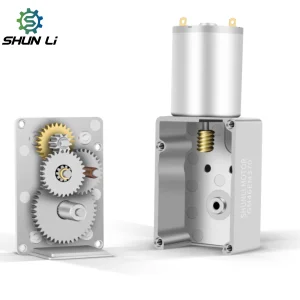
| Automotive Actuator (EV Ports) | Permanent Magnet Brushed (12V) | Worm Gearbox (High Torque) | High detent torque, anti-backdriving, weather resistant | Zinc-alloy housing, steel gear |
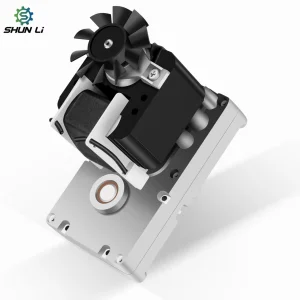
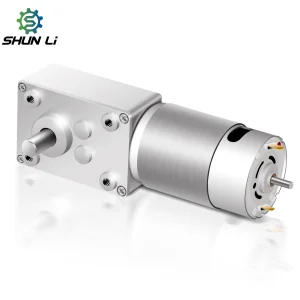
| Heavy Duty Cement Mixer / Agitators | Industrial DC Brush (12V / 24V) | Robust Worm Drive (JGY-370) | Extreme torque output, shock load absorbing, low shaft deflection | Carbon steel output shaft, brass gear |
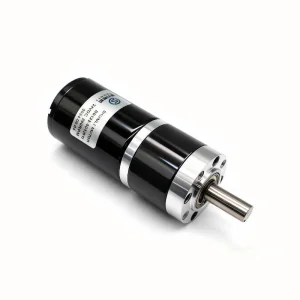
| Automobile Active Safety (Valves) | Brushless BLDC (24V) | Planetary Reduction Gearbox | Continuous runtime, high temperature operation, absolute positioning | Neodymium magnets, sintered steel gears |
| Precision Medical Pump / Ventilator | Slotless Brushless DC (12V) | No Gearbox (Direct Drive) | Cogging-free rotation, ultra-low acoustic profile, high speed dynamic response | Stainless steel shaft, ceramic bearings |
The micro-drive landscape is undergoing key changes that will redefine how robust DC motor factories build, test, and ship electromechanical systems over the next decade.
The separation between motors, encoders, and motor controllers is closing. Modern systems are shifting toward smart integrated drives. By mounting compact motor controllers directly onto the rear endbell of BLDC motors, manufacturers eliminate external wiring, reduce electromagnetic interference (EMI), and provide built-in CAN bus, Modbus, or EtherCAT network nodes. This integration allows real-time thermal, speed, and torque feedback to help predict system failures before they occur.
Historically, B2B designers had to choose between quiet, low-capacity plastic gearboxes and strong, noisy metal assemblies. Innovations in powder metallurgy and high-performance engineering polymers have introduced hybrid solutions. Plastic compounds containing carbon-fiber reinforcements or self-lubricating additives can now manage load limits that previously required steel gears, all while maintaining quiet performance.
E-E-A-T principles require a clear commitment to environmental health and safety. Lead-free soldering processes, the elimination of rare-earth minerals mined through non-sustainable practices, and easily recyclable motor housings are becoming standard procurement requirements in Europe and the Americas. Leading factories are restructuring their supply chains to guarantee full compliance with RoHS 3, REACH, and California Proposition 65.
Direct answers to the most common engineering and procurement challenges faced by B2B buyers when selecting custom DC micro-drive systems.
Planetary gearboxes distribute torque load across multiple planet gears, providing excellent power density, high efficiency (typically 80-90% per stage), and co-axial shaft output. Worm gearboxes transmit force at a 90-degree angle, yielding low mechanical efficiency (often 40-60%) due to sliding friction. However, worm drives offer self-locking capabilities (preventing back-driving) and absorb shock loads, making them ideal for heavy industrial mixers, rolling doors, and automotive actuators.
Acoustic dampening is addressed during design and testing. First, high-precision machining tools hold tolerances below 5 microns on gears, minimizing tooth contact noise. Second, specialized noise-testing chambers and soundproof rooms isolate and measure structural vibration. Third, POM/Nylon materials can be substituted for metallic input gears, and custom dampers are integrated into the motor casing to isolate low-frequency vibration.
Salt spray tests evaluate a motor's resistance to corrosion in humid or coastal environments. Using a Salt Spray Testing Machine, motors undergo a continuous mist of 5% sodium chloride solution at 35°C for 24 to 96 hours. To pass, critical parts must be protected with anti-rust plating (such as zinc-nickel alloy), and output shafts must use marine-grade stainless steel with special double-lip oil seals.
Automotive actuators operate in extreme environments, from arctic starts (-40°C) to high-temperature engine bays (+105°C) with high humidity. Testing chambers cycle motors through these environmental conditions to expose weaknesses in insulation, verify lubrication viscosity, and identify differences in thermal expansion between metal shafts and plastic housings, preventing field seizures.
Yes. The factory provides 100% custom micro-drive solutions. Designers customize electrical properties (winding resistance, voltage range, output speed), gear profiles, output shafts (D-cuts, knurling, keyways, threads), integrated cables, connectors, and mounting brackets to match your application space and power requirements.
The standard process begins with technical requirements validation and engineering drawings. First-stage prototypes are typically shipped within 2-3 weeks. Once samples are approved, tooling and production setup require 30 days, followed by mass production which takes 20-30 days depending on order volume. Quality verification is managed through ISO9001 protocols, including dynamometer, noise, and lifecycle testing prior to shipment.
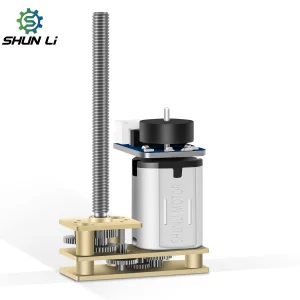
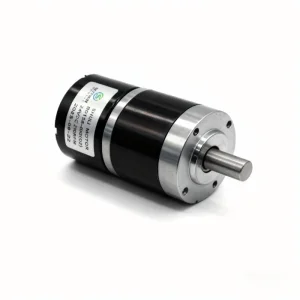
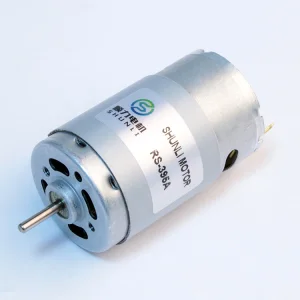
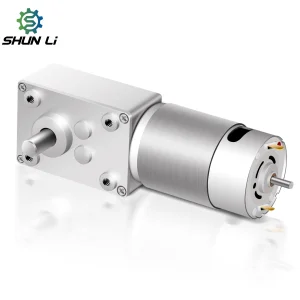
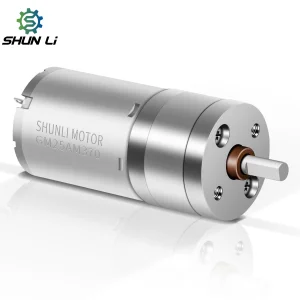
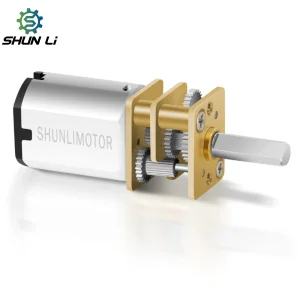
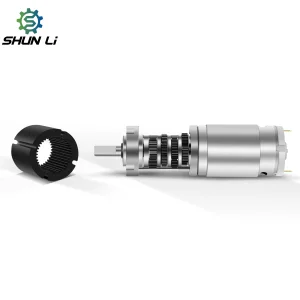
Explore the remaining high-torque worm gears, brushless planetary systems, and miniature permanent magnet DC motors configured for heavy industrial and commercial equipment.
 Luv Motors